Understanding Flood Warnings and Their Impact
Introduction
Flood warnings are critical alerts that inform communities about the potential for flooding, caused by excessive rainfall, rapid snowmelt, or dam breaks. With climate change leading to unpredictable weather patterns, understanding flood warnings has become increasingly important for public safety and preparedness. Recent devastating floods across various regions highlight how crucial these warnings can be, saving lives and property when acted upon promptly.
Current Events and Recent Incidents
In September 2023, heavy rainfall in central Texas prompted the National Weather Service to issue flood warnings for several counties. As rivers and creeks overflowed, local authorities urged residents to avoid non-essential travel and heed evacuation orders where necessary. This event exemplifies the increasing frequency and intensity of floods across the United States, which has spurred the National Oceanic and Atmospheric Administration (NOAA) to enhance its flood monitoring systems.
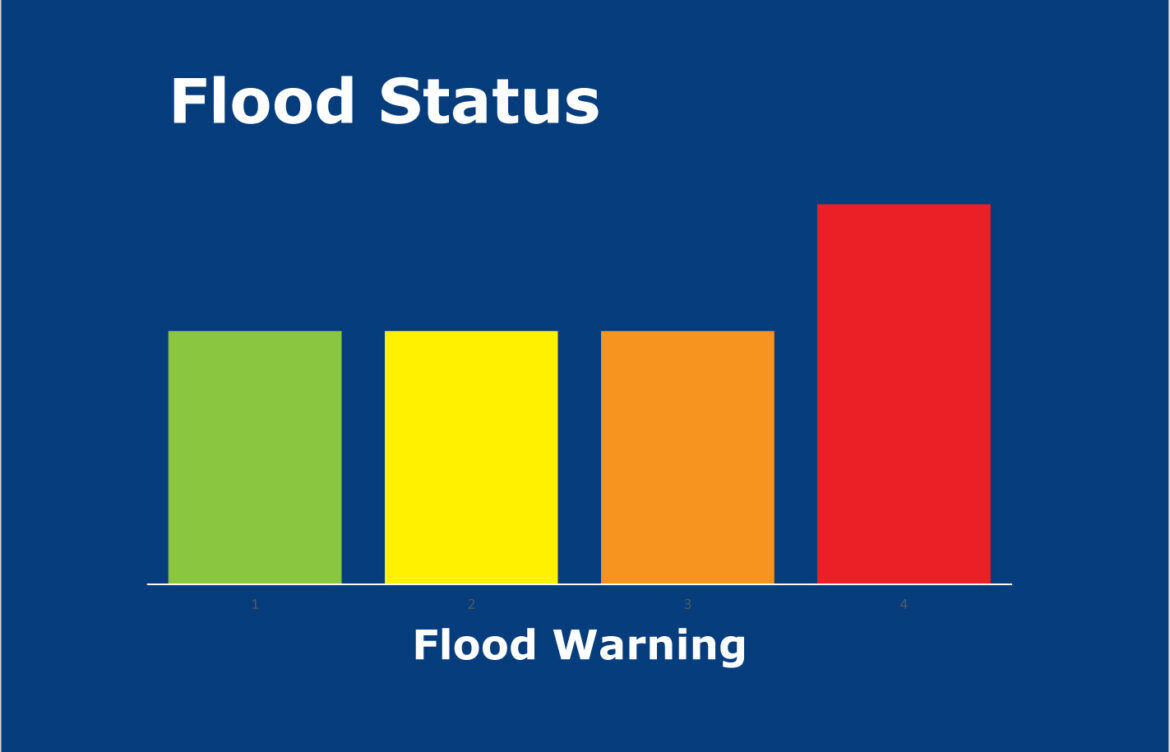
Moreover, in Florida, rising sea levels and intense storms have led to the implementation of more rigorous flood warning systems in vulnerable coastal areas. Homeowners in these regions are advised to stay updated on warning levels, which range from flood watches to more severe flood warnings, indicating that flooding is imminent or already occurring.
How Flood Warnings Work
Flood warnings are issued based on weather monitoring and predictive models that assess the likelihood of flooding. The National Weather Service utilizes information from weather radars, river gauges, and meteorological forecasts to determine when and where to issue these critical alerts. Warnings can be disseminated through various channels including television, radio, smartphone alerts, and social media platforms, ensuring that the information reaches the affected populations swiftly.
Community Preparedness and Response
Local governments play a vital role in disaster response by coordinating evacuation plans and emergency services. Communities are encouraged to prepare emergency kits and establish communication plans to ensure family safety in the event of a flood. The Federal Emergency Management Agency (FEMA) emphasizes the importance of having a flood emergency plan in place, which includes identifying safe evacuation routes and understanding local flood-prone areas.
Conclusion
In conclusion, flood warnings are a vital component of disaster preparedness and community resilience. As extreme weather events become more frequent, staying informed about flood risks and actively participating in community preparedness can significantly mitigate the impact of flooding. Residents are urged to pay attention to flood warnings and take proactive measures to protect themselves and their properties. Being prepared can make all the difference in ensuring safety during natural disasters.