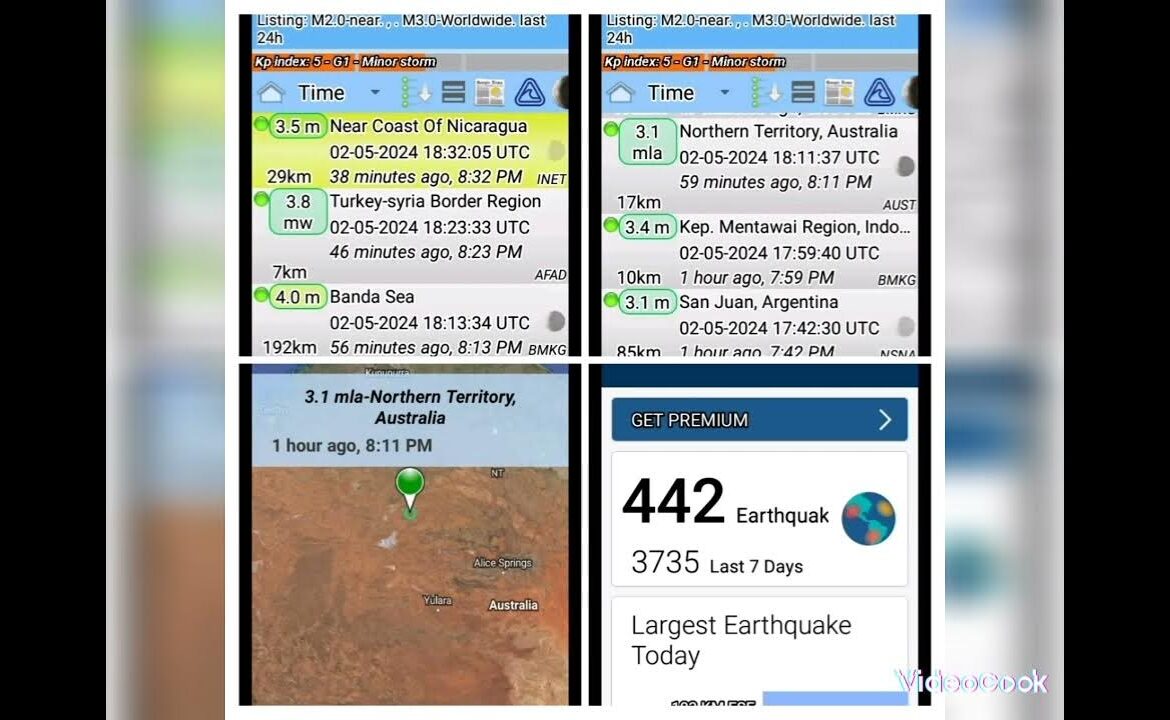
Understanding Earthquake Alert Systems and Their Impact
Introduction
Earthquake alert systems have become crucial tools in enhancing safety and preparedness in earthquake-prone regions. With the increasing frequency of seismic activities globally, these systems aim to provide timely warnings, allowing individuals and communities to take precautionary actions before the tremors strike. This article explores the importance of earthquake alert systems, recent advancements, and their significance for public safety.
Current Developments in Earthquake Alert Technologies
Recent developments in earthquake alert systems have improved significantly over the years. Technologies such as the ShakeAlert system in California, which is managed by the United States Geological Survey (USGS), are designed to detect earthquakes within seconds and notify the public through mobile alerts. ShakeAlert has already demonstrated its capabilities in recent earth tremors, providing critical seconds of warning that can save lives.
How Earthquake Alerts Work
Earthquake alert systems utilize a network of seismometers placed in various locations to detect seismic waves traveling through the Earth’s crust. These systems identify two types of waves: Primary (P) waves, which travel faster and cause little damage, and Secondary (S) waves, which arrive later and can cause significant destruction. Once an earthquake is detected, alerts are sent out via text messages, email, or dedicated apps, enabling people to take immediate action such as dropping to the ground, covering their heads, and holding on until the shaking stops.
Importance of Earthquake Alerts
The importance of these systems cannot be overstated. According to the USGS, earthquake alerts can potentially reduce injuries and fatalities by providing warnings that enable timely evacuations and responses. In regions with densely populated cities, where buildings and infrastructure are at risk, these alerts are vital for minimizing the impact of a quake.
Challenges and Limitations
Despite their benefits, earthquake alert systems face several challenges. One notable limitation is the latency time; alerts are typically issued only after the earthquake has occurred, which can be only a few seconds long in minor quakes. Moreover, not all regions are equipped with advanced detection technology, leaving many vulnerable areas without immediate warnings. In addition, public awareness and education are critical for ensuring that individuals know how to respond when they receive alerts.
Conclusion
As urbanization continues to expand into seismically active regions, the importance of effective earthquake alert systems grows. With ongoing technological advancements and increased public awareness, these systems have the potential to significantly improve safety for millions. Moving forward, investing in infrastructure and enhancing educational campaigns will be essential in maximizing the effectiveness of earthquake alerts, ultimately saving lives and reducing damage in the event of seismic events.