Understanding Dense Fog Advisory and Its Impact
Introduction
A dense fog advisory is a crucial weather alert that highlights the presence of low visibility conditions due to thick fog. Such advisories are vital for travelers, as they signal the potential dangers associated with driving, traveling, or engaging in outdoor activities under these circumstances. With recent weather patterns contributing to increased fog formation, understanding the implications of these advisories has become more relevant than ever.
What is a Dense Fog Advisory?
According to the National Weather Service (NWS), a dense fog advisory is issued when visibility is reduced to less than one-quarter mile due to fog. This can create hazardous driving conditions, leading to increased chances of accidents and delays. The advisory serves as a warning to the public and urges caution when traveling.
Recent Events and Statistics
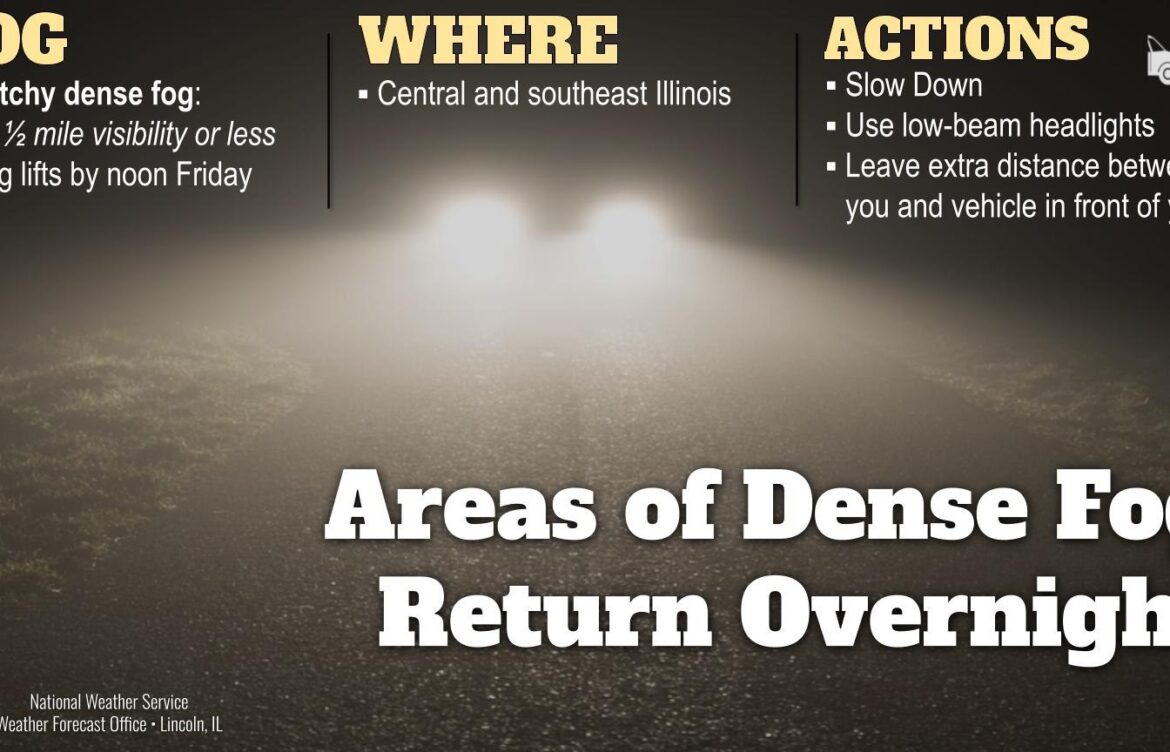
In recent weeks, several regions across the United States have experienced dense fog conditions. For instance, the Midwest and Northeast have reported multiple incidents, with some areas clocking visibility as low as 100 feet. On October 15, 2023, the NWS issued advisories in states like Illinois and Michigan, advising residents to stay alert and plan accordingly. According to traffic safety reports, accidents caused by fog significantly spike during fall and winter months, urging communities to remain informed and proactive.
Tips for Staying Safe During Dense Fog
To mitigate risks associated with driving in fog, safety experts recommend several precautions:
- Use Low Beam Headlights: High beams can reflect off the fog, worsening visibility.
- Reduce Speed: Slow down and allow for more time for braking.
- Increase Following Distance: This gives drivers more time to react to sudden stops.
- Avoid Sudden Movements: Remain aware of your surroundings and use smooth steering inputs.
Conclusion
Dense fog advisories are critical tools for ensuring public safety during low visibility conditions. With the ongoing fluctuation in weather patterns, residents in affected areas should stay informed and heed any advisories that are issued. By taking necessary precautions, individuals can drastically reduce the chances of accidents and ensure safer travel. As climate conditions evolve, awareness and preparedness remain paramount for navigating fog-prone seasons.