Understanding Data Breaches: What You Need to Know
Introduction to Data Breaches
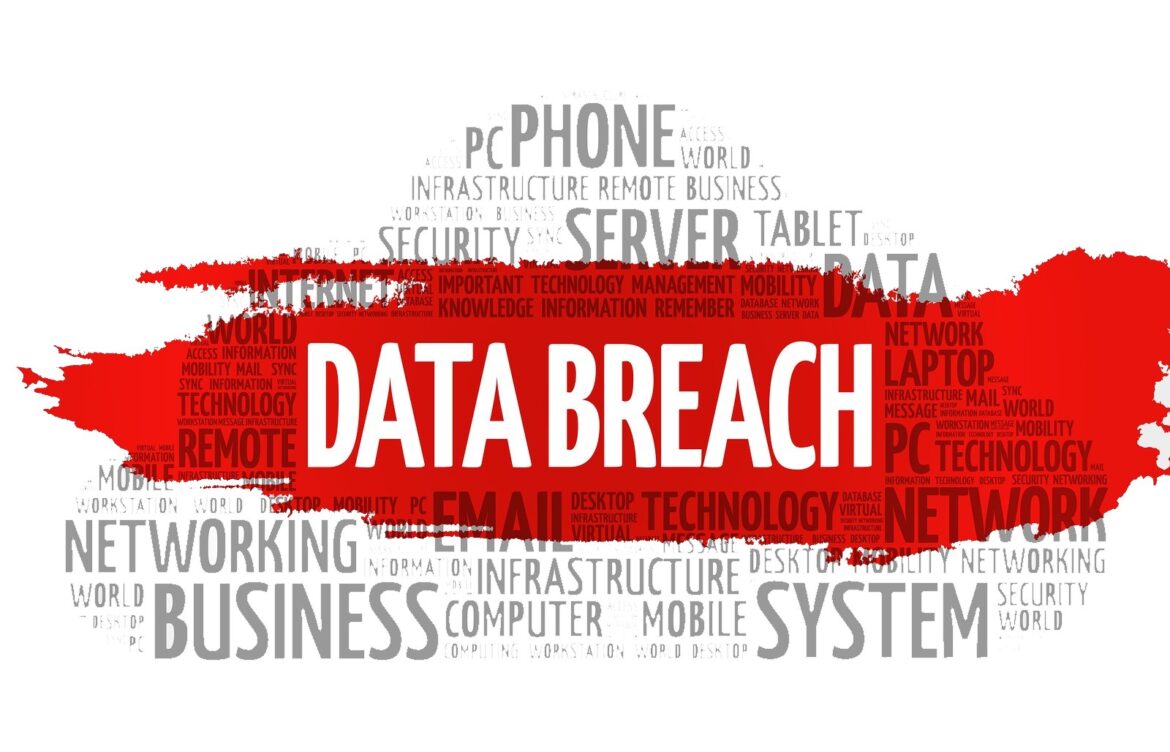
In today’s digital world, data breaches are a significant threat to both individuals and organizations. A data breach refers to the unauthorized access, exposure, or theft of sensitive information. With the increasing reliance on technology and the internet to store personal and corporate data, understanding data breaches has never been more crucial.
What Causes Data Breaches?
Data breaches can occur for various reasons, including:
- Hacking: Cybercriminals may exploit vulnerabilities in a company’s security systems to access confidential data.
- Malware: Malicious software can infiltrate a system, allowing unauthorized entities to steal or encrypt information.
- Insider Threats: Employees or contractors with access to sensitive data may misuse or expose this information inadvertently or maliciously.
- Physical Theft: Stolen devices like laptops or USB drives can lead to data breaches if the data isn’t adequately protected.
The Impact of Data Breaches
The consequences of a data breach can be severe, affecting both individuals and organizations. For individuals, breaches can lead to identity theft, financial loss, and privacy violations. Organizations may face legal consequences, reputational damage, and loss of customer trust. According to a 2021 report by IBM, the average cost of a data breach is approximately $4.24 million, highlighting the financial repercussions for businesses.
Recent Examples of Data Breaches
Recent high-profile data breaches have underscored the importance of data security. For instance, in 2023, a significant breach affected a well-known financial institution, compromising the personal data of millions of customers. Such events serve as a critical reminder of the vulnerabilities existing in digital environments.
How to Protect Yourself
To safeguard against data breaches, individuals and organizations should implement strong security measures, including:
- Regular Software Updates: Keeping systems and applications updated can help patch security vulnerabilities.
- Data Encryption: Encrypting sensitive information makes it more challenging for unauthorized users to access it.
- Multi-Factor Authentication: Adding an extra layer of security can help protect accounts and sensitive data.
- Employee Training: Educating employees about potential threats and safe practices is crucial in preventing insider breaches.
Conclusion: The Importance of Awareness
In conclusion, understanding what a data breach is and how it can occur is essential for protecting personal and organizational information. As technology continues to evolve, staying informed and prepared is vital. With proactive measures and awareness, both individuals and businesses can better defend themselves against the growing risks of data breaches.