Understanding Bomb Cyclones: Impacts and Importance
Introduction to Bomb Cyclones
A bomb cyclone is a rapidly intensifying storm characterized by a significant drop in atmospheric pressure over a short period. It draws attention due to its potential to cause severe weather events, including heavy snowfall, strong winds, and torrential rain. Understanding bomb cyclones is crucial, especially as climate change increases the frequency and intensity of such storms, directly impacting millions.
What Causes a Bomb Cyclone?
Bomb cyclones occur when a mid-latitude cyclone’s central pressure drops by at least 24 millibars within 24 hours, often fueled by contrasting air masses. Recent bomb cyclones have been attributed to the polar vortex and changes in the jet stream’s behavior, contributing to more extreme weather phenomena across regions in the U.S.
Recent Events and Impacts
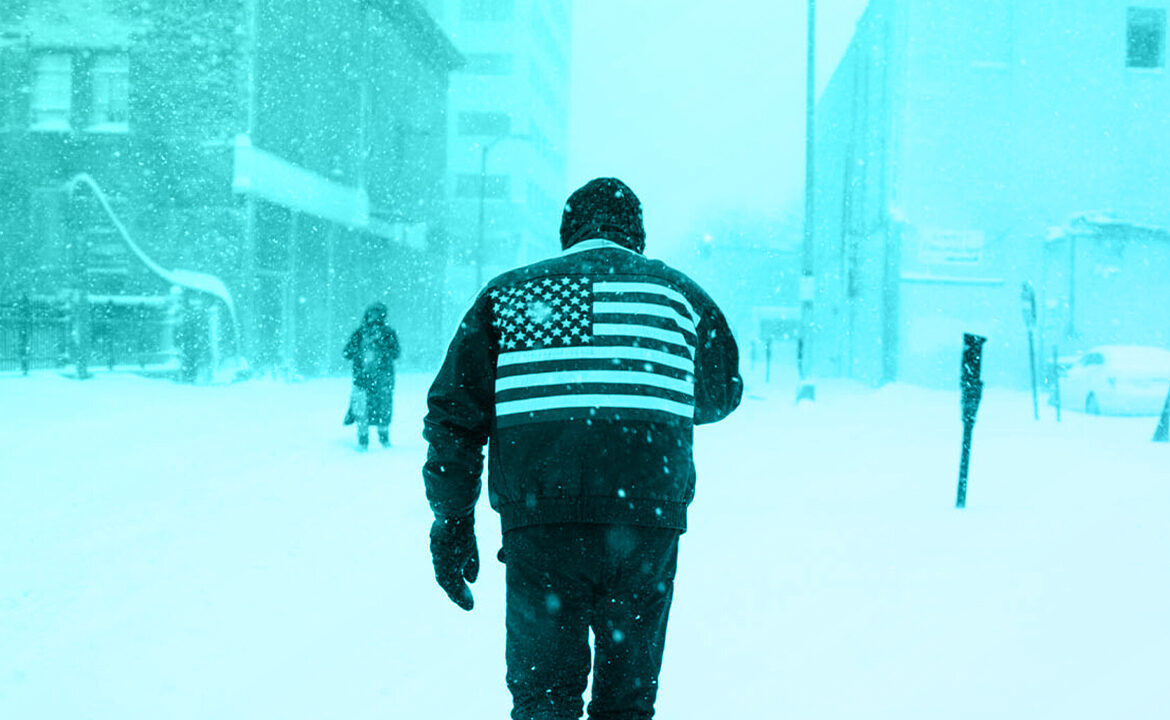
In late March 2023, a bomb cyclone swept across the Midwest, causing widespread damage. Reports indicated that states like Nebraska and South Dakota experienced blizzard conditions, with winds exceeding 60 mph. This storm resulted in power outages, travel disruptions, and even localized flooding in areas where heavy rain followed snowmelt. The impact was felt across multiple states, with emergency services mobilizing to assist affected communities.
Preparedness and Response
Officials urge individuals to stay informed during bomb cyclone forecasts, especially in winter months when conditions can rapidly deteriorate. Emergency preparedness includes having supplies ready, staying close to heating sources, and maintaining open lines of communication with local authorities. Various meteorological organizations provide updates and warnings for impending storm conditions, helping citizens plan accordingly.
Conclusion: The Growing Significance of Bomb Cyclones
As climate change continues to alter weather patterns, bomb cyclones will likely become an ever more critical topic for both meteorologists and the general public. Understanding this phenomenon is necessary not just for safety, but also for planning and policy-making to mitigate the impacts these storms have on infrastructure and daily life. Looking ahead, investment in better forecasting technology and community preparedness measures will be essential in adapting to this escalating weather reality.