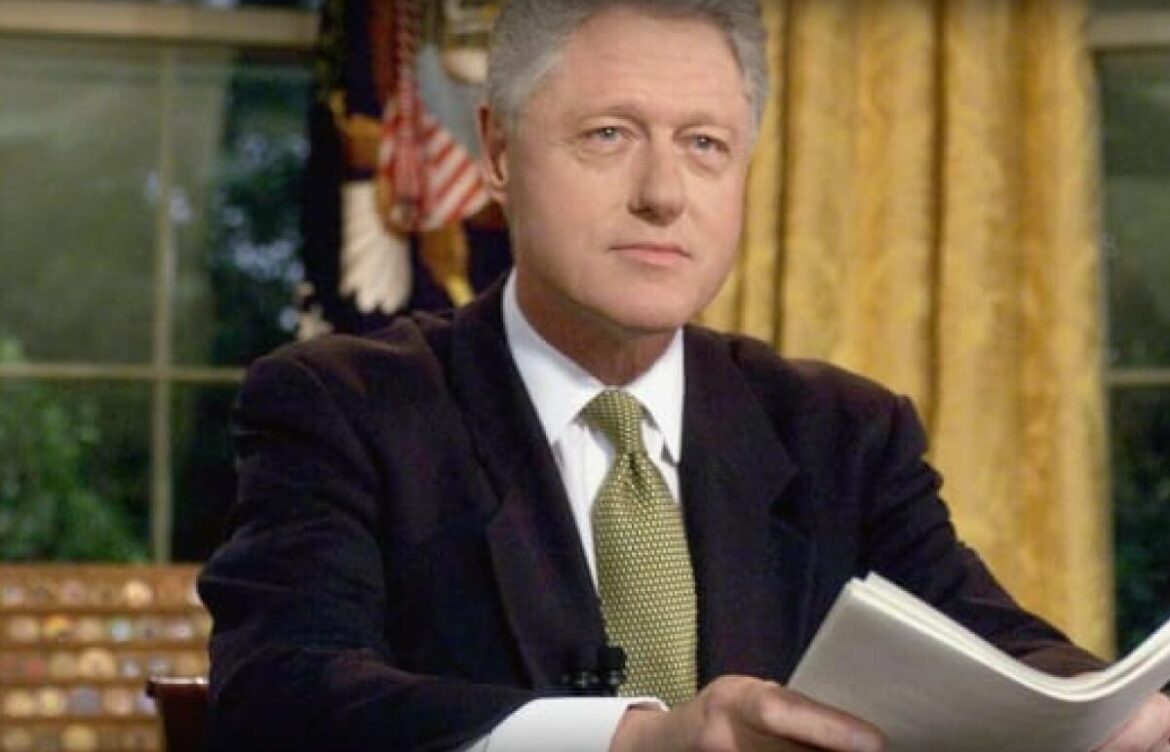
Understanding Bill Clinton’s Legacy and Influence
Introduction
Bill Clinton, the 42nd President of the United States, served from 1993 to 2001, a period marked by significant economic growth and social change. His presidency is considered one of the most pivotal in recent American history, influencing the Democratic Party’s direction and policy-making. Understanding Clinton’s legacy is essential as it continues to shape political discourse in the nation.
Key Events During Clinton’s Presidency
Clinton’s time in office was dominated by several notable events and decisions. One of his most significant achievements was the North American Free Trade Agreement (NAFTA), which aimed to eliminate trade barriers between the U.S., Canada, and Mexico. The agreement, signed in 1993, has had lasting effects on trade relationships and economic policy in North America.
Another critical aspect of Clinton’s presidency was the economic boom in the late 1990s, which saw the U.S. experience one of its longest peacetime economic expansions. This period was characterized by rising employment rates, increased GDP, and a budget surplus by the end of his term.
Social Policies and Reforms
Clinton also focused on several social issues, implementing policies that aimed to improve health care access and education. His administration introduced the Children’s Health Insurance Program (CHIP) in 1997, enhancing health coverage for millions of children in families with incomes that were too high to qualify for Medicaid.
However, his presidency was not without controversy. The Monica Lewinsky scandal led to his impeachment in 1998 on charges of perjury and obstruction of justice. Although he was acquitted by the Senate and completed his second term, the scandal has deeply influenced public perceptions of his character and administration.
Clinton’s Post-Presidency Influence
Since leaving office, Bill Clinton has remained an influential figure in American politics. Through the Clinton Foundation, he has addressed global challenges such as health care, climate change, and economic development, receiving both acclaim and criticism for his philanthropic efforts.
Conclusion
Bill Clinton’s legacy is a complex blend of economic success, social reforms, and personal controversy. As a key figure in the evolution of the Democratic Party, his policies and principles continue to resonate in contemporary political debates. Understanding Clinton’s impact offers valuable insights into the current state of American politics and the ongoing discussions regarding leadership, ethics, and governance.