UDF Kerala: A Historic Shift in the Kerala Assembly Elections
“The UDF managed to win 102 of the 140 seats, while LDF was relegated to just 35 seats,” said a political analyst reflecting on the stunning results of the recent Kerala Assembly elections. This decisive victory marks an end to a decade of dominance by the Left Democratic Front (LDF) and signifies a dramatic shift in voter sentiment across the state.
The United Democratic Front (UDF), led by the Indian National Congress, has seen its fortunes rise significantly. In this election, they secured 63 seats, an improvement from previous elections. The Indian Union Muslim League also played a crucial role, adding 22 seats to the UDF tally. Meanwhile, the LDF’s performance faltered dramatically, with their seat count dropping from 99 in 2021 to just 35 seats.
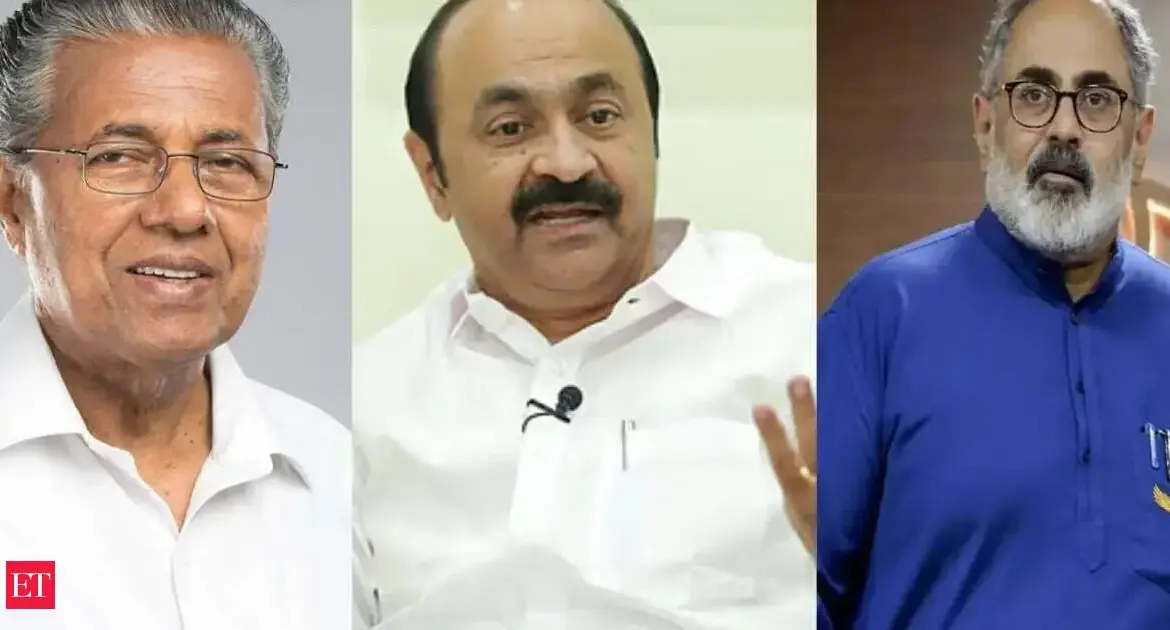
This turn of events is particularly striking considering that Pinarayi Vijayan, the Chief Minister and face of the LDF, won his constituency but saw 13 ministers from his cabinet lose their seats. As one local resident expressed, “Pinarayi’s progress card, it turns out, was not signed by the electorate.” This sentiment resonates across various communities in Kerala, reflecting widespread dissatisfaction with LDF governance.
The Communist Party of India (Marxist), a key player in the LDF coalition, suffered a severe blow as its seat count plummeted from 62 to 26. “The party that once held West Bengal for three unbroken decades and clung to Kerala as its last fortress for two consecutive terms has no fallback position,” remarked a political commentator. This loss underscores a significant shift in historical political dynamics within India.
Key statistics from the election:
- The UDF won 102 out of 140 seats.
- The LDF secured only 35 seats, down from 99.
- The Indian National Congress gained 63 seats.
- The Indian Union Muslim League added 22 seats.
- The Communist Party of India (Marxist) dropped to 26 seats.
- The Bharatiya Janata Party improved its standing with 3 seats.
This election also marks a historic milestone as it is the first time in fifty years that no state in India will have a Left government. As voters reflect on this change, many are hopeful for new leadership that addresses their needs more effectively.
The next steps for both UDF and LDF will be closely watched as they navigate this shifting landscape. With public sentiment clearly favoring change, how each party adapts will be crucial moving forward.