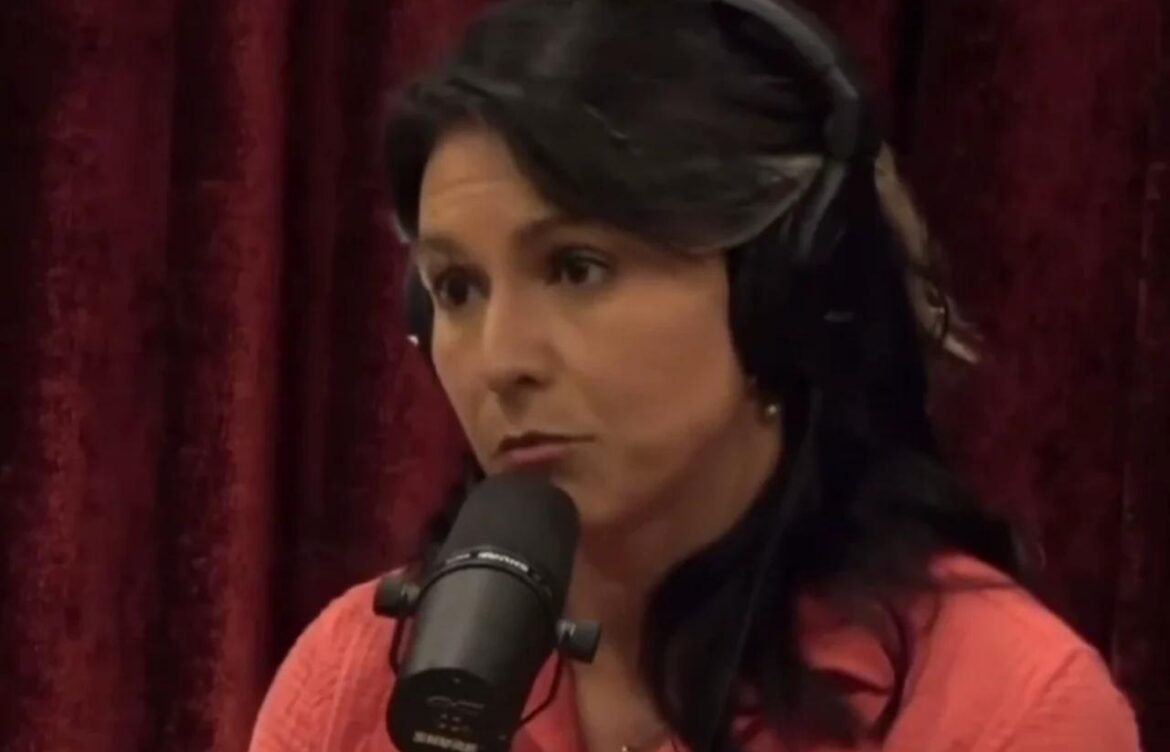
Tulsi Gabbard: A Unique Perspective in American Politics
Introduction: The Significance of Tulsi Gabbard
Tulsi Gabbard, former U.S. Congresswoman from Hawaii, has emerged as a distinctive voice in American politics. With her unique background, military service, and progressive policies, she has captivated a diverse audience while sparking conversations on crucial issues. As the political landscape continues to evolve, Gabbard’s contributions and perspectives remain highly relevant, making her a figure worth examining.
Background and Political Journey
Born on April 12, 1981, Tulsi Gabbard was the first Hindu member of Congress and the first Samoan-American voting member of Congress. Elected to the House of Representatives in 2013, she quickly gained a reputation for her anti-interventionist views and advocacy for veterans’ rights. Gabbard served on the Armed Services Committee and has been a vocal advocate for peace and diplomacy over military intervention.
Her presidential run in 2020 placed her on the national stage, where she garnered significant attention for her straightforward style and focus on issues like healthcare reform and climate change. Throughout her campaign, Gabbard maintained a commitment to authenticity, often challenging both the Democratic Party establishment and Republican opponents.
Recent Developments
In recent months, Gabbard has continued to be involved in political discourse, particularly through media appearances and social media. Recently, she announced her departure from the Democratic Party, citing concerns over its direction. This move has ignited conversations about the state of American politics and the viability of third-party movements, something Gabbard has hinted at in her recent interviews.
Her decision has sparked both criticism and support. Advocates appreciate her call for greater political integrity and transparency, while detractors express concern over further polarization. Gabbard’s comments regarding U.S. foreign policy, especially her positions on Russia and Ukraine, have also made headlines, revealing her complex views on international relations.
Conclusion: The Future of Tulsi Gabbard
Tulsi Gabbard’s evolving political career exemplifies the dynamic nature of modern politics in America. Her ability to connect with voters on a grassroots level, combined with her willingness to challenge the status quo, positions her as a significant figure moving forward. As the U.S. grapples with persistent political divides and pressing global challenges, Gabbard’s perspectives—and her potential run for future offices—will likely continue to shape discussions across the political spectrum. For readers, examining Gabbard’s journey offers insight into the changing landscape of political representation and participation in today’s society.