Trump News: U.S. Military Actions Against Iran Intensify
U.S. Military Actions Against Iran Intensify
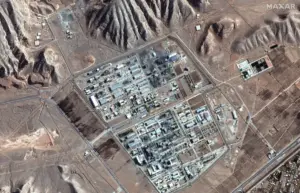
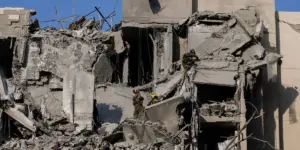
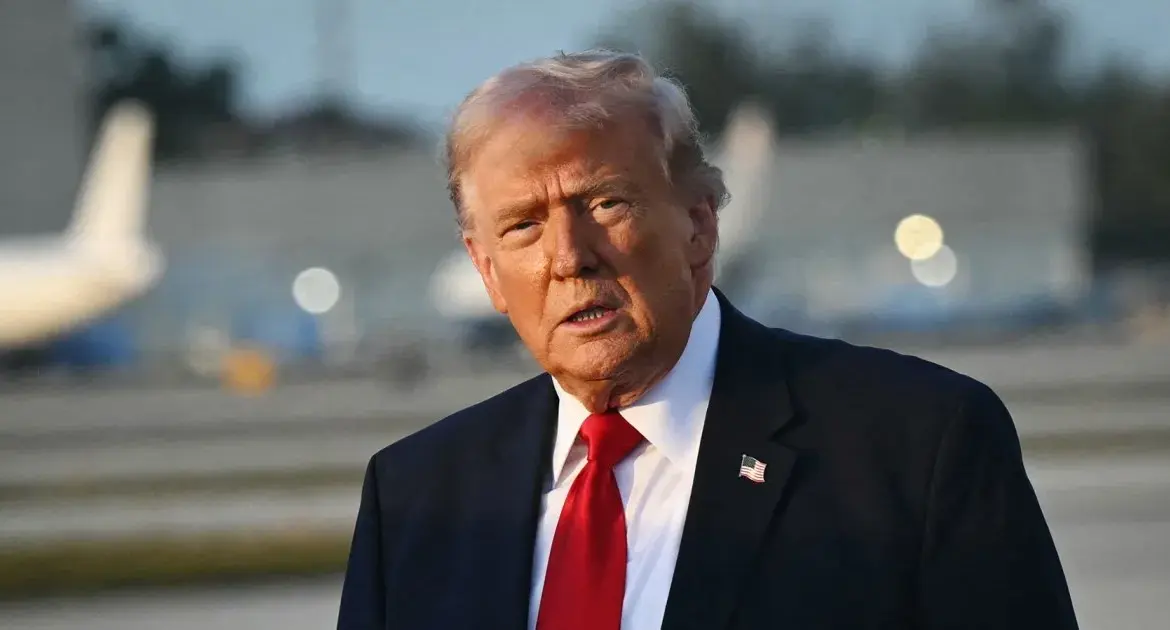
In a significant escalation of military operations, President Donald Trump announced on March 9, 2026, that the U.S. has struck over 3,000 Iranian targets in the first week of a war aimed at preventing Iran from acquiring nuclear weapons. The conflict has already resulted in the deaths of seven American soldiers and more than 1,200 Iranians, including over 160 children, as U.S. and Israeli forces continue their aggressive campaign.
Trump’s statements reveal a stark picture of the ongoing conflict. He described the war as “very complete, pretty much,” indicating a level of confidence in the military’s progress. However, the situation remains dire, with commercial shipping through the Strait of Hormuz, a critical passage for global oil supply, effectively ground to a halt. Approximately 20% of the world’s oil supply flows through this strategic waterway, and the disruption is already impacting global oil prices, which have surged past $100 per barrel.
In the context of the war, Trump has also left open the possibility of acquiring Iranian oil, stating that “certainly people have talked about it.” This comes as the U.S. has reportedly secured more than 80 million barrels of oil from Venezuela, highlighting the administration’s focus on securing energy resources amid the conflict. Notably, about 80% of Iran’s crude oil exports are directed to China, complicating the geopolitical landscape further.
As the war enters its second week, the new supreme leader of Iran, Mojtaba Khamenei, son of the late Ayatollah Ali Khamenei, faces mounting pressure. Trump has made it clear that he expects nothing less than the unconditional surrender of Iran, stating, “There will be no deal with Iran except UNCONDITIONAL SURRENDER!” This uncompromising stance raises questions about the future of U.S.-Iran relations and the potential for a prolonged conflict.
The U.S. military’s aggressive tactics have drawn international scrutiny, particularly given the high civilian casualties reported. The conflict has already claimed the lives of numerous innocent bystanders, including children, raising ethical concerns regarding the military’s operational strategies. Details remain unconfirmed regarding the exact plans for a potential ground invasion of Iran, which Trump has not ruled out.
Senator John Cornyn and Texas Attorney General Ken Paxton have voiced their support for the administration’s actions, emphasizing the need to take a strong stand against Iran’s nuclear ambitions. Meanwhile, other political figures, including Senator JD Vance, have called for a more measured approach, urging the administration to consider the long-term implications of its military strategy.
As the situation develops, reactions from various stakeholders continue to emerge. Critics of the war argue that the U.S. risks further destabilizing the region, while supporters maintain that decisive action is necessary to prevent Iran from becoming a nuclear threat. The international community watches closely, as the ramifications of this conflict could reshape geopolitical alliances and global energy markets for years to come.
In summary, the ongoing conflict between the U.S. and Iran has reached a critical juncture, with significant military actions and rising oil prices marking the current landscape. As Trump continues to assert his position, the world awaits further developments in this high-stakes geopolitical struggle.