Tornado Watch vs Warning: What You Need to Know
Introduction
Tornado watches and warnings are critical alerts for individuals living in tornado-prone areas. Understanding the difference between the two can mean the difference between being prepared for a potential disaster and being caught off guard. As extreme weather events become more common, knowing how to react is essential for safety and preparedness.
What is a Tornado Watch?
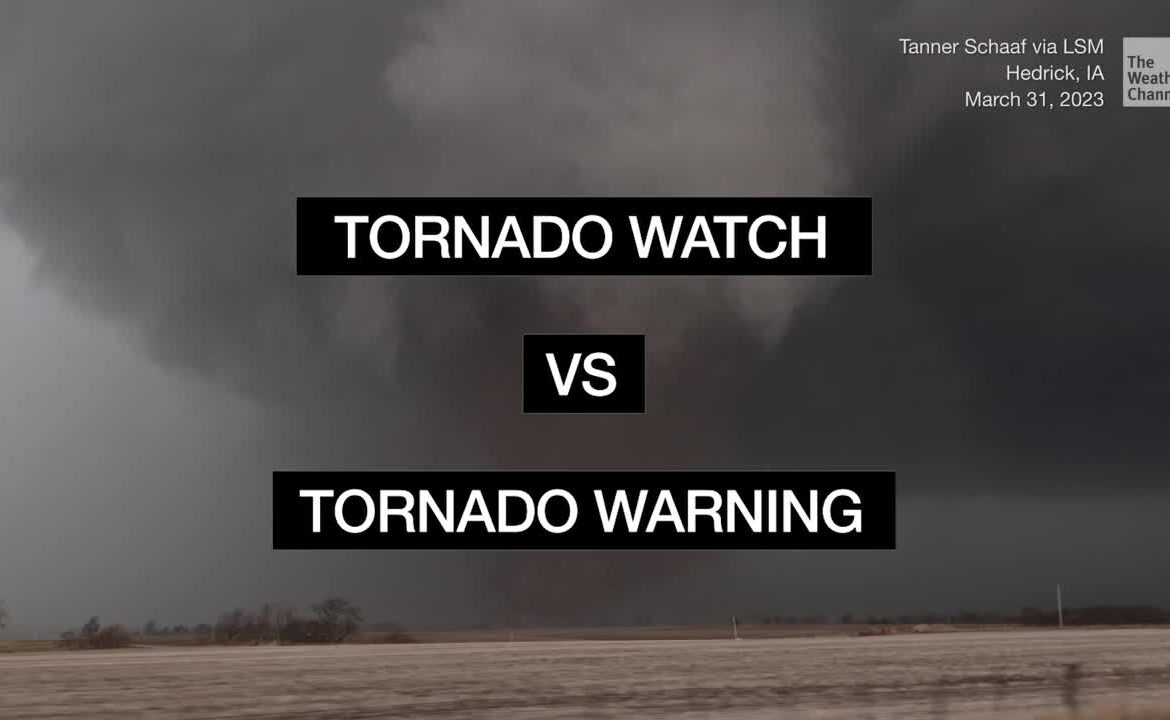
A tornado watch indicates that conditions are favorable for the development of tornadoes in a specific area. This could mean that severe thunderstorms may produce tornadoes, and the public should stay alert for rapidly changing weather conditions. Typically issued by the National Weather Service (NWS), a watch can cover large areas and may last for several hours.
What is a Tornado Warning?
In contrast, a tornado warning indicates that a tornado has been sighted or indicated by weather radar. This alert is much more urgent than a watch and requires immediate action. When a tornado warning is issued, it is time to seek shelter in a safe location, such as a basement or an interior room on the lowest floor of a sturdy building. The NWS issues warnings for specific areas, typically affecting a smaller region than watches.
Recent Tornado Activity
In 2023, several regions across the United States experienced severe tornado activity with instances of both watches and warnings being issued multiple times. The National Oceanic and Atmospheric Administration (NOAA) reported a significant increase in tornado incidents, especially in states commonly known as ‘Tornado Alley.’ Recent storms resulted in damage to homes and businesses, emphasizing the importance of public awareness of watches and warnings.
How to Prepare
Understanding the terminology is just the first step. Communities should have disaster plans in place, which include knowing where to go during severe weather and having emergency kits easily accessible. Families should also ensure that they have multiple ways to receive alerts, such as NOAA weather radios, mobile apps, and local news updates.
Conclusion
The distinction between tornado watches and warnings is crucial for ensuring safety during severe weather. As climate change impacts weather patterns, it is likely that tornado occurrences will continue to rise. Staying informed and prepared can help individuals better protect themselves and their families when severe weather strikes. Educating oneself and others about the differences can lead to quicker response times and ultimately save lives.