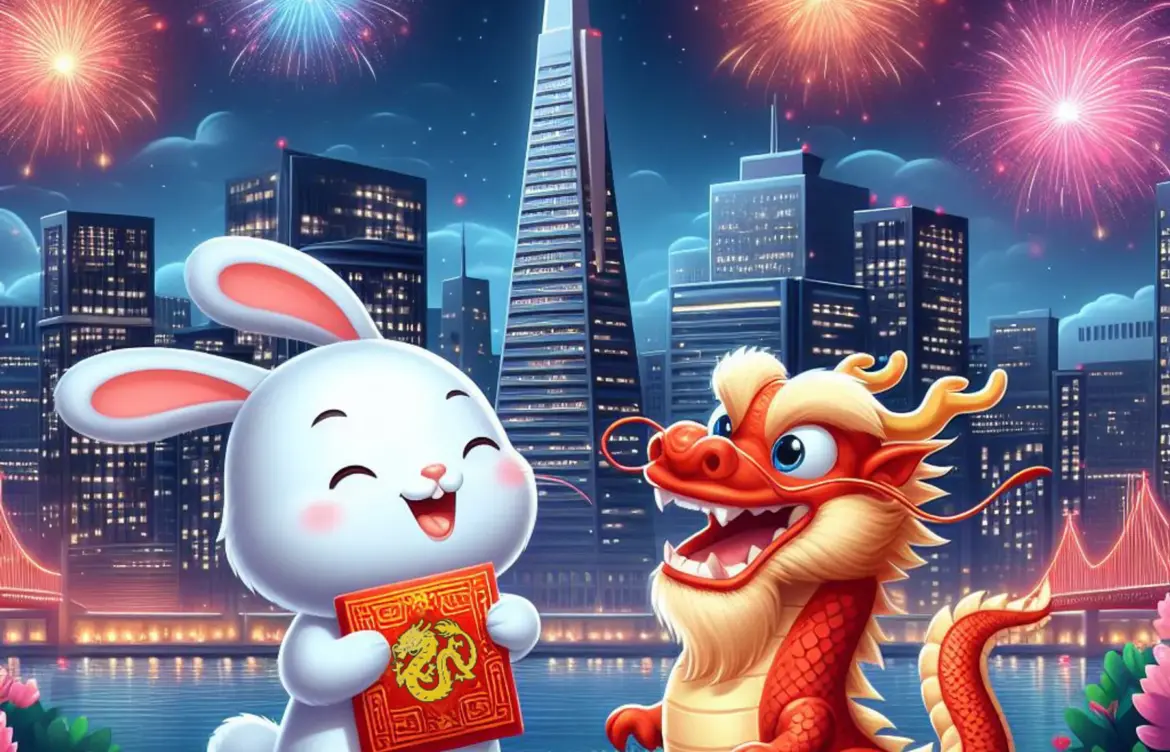
The Significance and Celebration of Chinese New Year 2024
Introduction
Chinese New Year, also known as Lunar New Year, is the most important traditional festival in Chinese culture. Celebrating the start of a new lunar calendar year, this festive occasion is rich with cultural significance, symbolism, and cherished traditions. With over a billion people participating worldwide, Chinese New Year has grown in importance beyond just the Chinese community, influencing cultural celebrations globally.
Historical Context and Significance
The origins of Chinese New Year are steeped in mythology. Traditionally, it is believed that the celebration began with the story of the mythical beast Nian, which would emerge each year to terrorize villages. To ward off Nian, families would light fireworks, wear red, and display decorations that heralded good fortune. Today, Chinese New Year serves not only as a time for family reunions but also as a period to pay respects to ancestors, reflecting the deep-rooted values of family and tradition in Chinese society.
Festivities and Traditions
The 2024 celebration falls on February 10, marking the Year of the Dragon, a symbol of strength, power, and good fortune. Celebrations begin well in advance of the actual day, with preparations including cleaning the house to sweep away bad fortune and decorate with red and gold banners that represent prosperity.
On the eve of Chinese New Year, families typically gather for a reunion dinner, featuring significant dishes like dumplings and fish, symbolizing surplus and wealth. The festivities continue with live performances, such as lion dances and dragon parades, which are performed to bring good luck and scare away evil spirits.
Younger generations often receive red envelopes, or ‘hongbao’, containing money, symbolizing good wishes and luck for the year ahead. This tradition has also adapted to digital formats, with many sending electronic red envelopes.
Global Impact and Future Perspectives
As Chinese New Year approaches, the worldwide impact of this celebration becomes evident in the cities with large Chinese populations, such as San Francisco, New York City, and London, hosting vibrant parades and cultural displays. These events allow people from different backgrounds to participate and learn about Chinese traditions, fostering cultural exchange.
Looking ahead, the significance of Chinese New Year is likely to continue growing as cultural diversity and global collaboration become prominent in modern society. For non-Chinese individuals, embracing and respecting this festival can serve not only as education but also as an opportunity for interpersonal connections across different cultures.
Conclusion
Chinese New Year is more than just a celebration; it is a profound expression of cultural heritage and communal spirit. As the world prepares for the Year of the Dragon in 2024, it remains essential to recognize and respect the values embodied in this vibrant tradition, ensuring its legacy continues to thrive for generations to come.