Understanding 春晚: The Cultural Phenomenon of the Chinese New Year Gala
Introduction
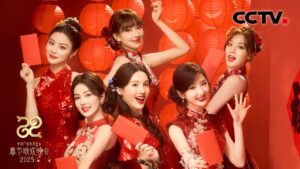
春晚, or the Spring Festival Gala, is an annual television event that has become a cornerstone of Chinese New Year celebrations. Since its inception by China Central Television (CCTV) in 1983, the gala has captured the attention of millions of viewers, both in China and across the globe. It showcases a rich variety of performances, including music, dance, comedy, and acrobatics, reflecting the diverse cultural heritage of China. With the Lunar New Year fast approaching, the significance of 春晚 continues to resonate as families gather to watch this much-anticipated show.
The Gala Experience
This year’s 春晚 is expected to be particularly special as it marks the 40th anniversary of the event. Over the years, the production has evolved into a vibrant amalgamation of traditional and modern entertainment. The show is typically held on New Year’s Eve and runs for nearly five hours, featuring segments that highlight how traditional values intertwine with contemporary life. The performances often convey themes of family unity, love, and hope for the new year, which resonate with audiences.
The gala has not only expanded its reach through live broadcasts but has also embraced technology. Viewers can enjoy the experience through various online platforms, allowing diaspora communities to connect with their heritage, no matter where they are in the world. In recent years, social media interactions during the show have further enhanced the communal viewing experience.
National Significance and Cultural Impact
春晚 has become synonymous with the Lunar New Year. It represents a collective cultural identity for Chinese people, spurring discussions about Chinese traditions, innovations in entertainment, and even social issues. Each year, performers and scripts are carefully chosen to reflect current events, social changes, and the collective sentiments of the population, thereby influencing cultural discourse.
Despite its popularity, the gala is not without its criticisms. Some believe it does not always adequately represent the diverse voices across China. However, its ability to adapt and include a range of performances from different regions showcases an effort to be inclusive, making it a unifying force in many ways.
Conclusion
As the annual 春晚 approaches, anticipation builds across communities both local and global. The event stands as a vivid symbol of unity, cultural pride, and shared traditions, marking not just the beginning of a new calendar year, but also reinforcing familial bonds during one of the most important holidays in Chinese culture. While its format may change with time, the essence of 春晚 remains unwaveringly rooted in bringing people together in celebration of their rich heritage.