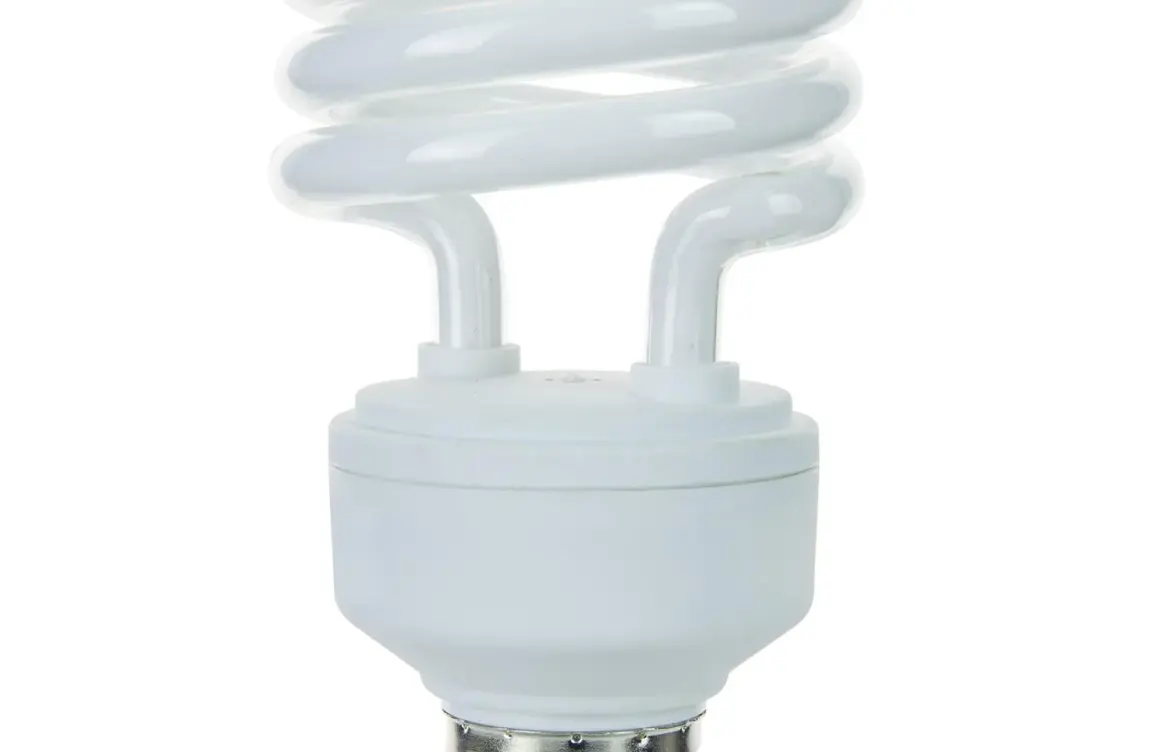
The Rise of CFL Technology: A Green Choice for Lighting
Introduction
Compact Fluorescent Lamps (CFLs) have become a household name in energy-efficient lighting solutions, offering a sustainable alternative to traditional incandescent bulbs. As energy consumption becomes a growing concern in the face of climate change, understanding CFL technology and its significance is essential for both consumers and the environment.
What is CFL?
CFLs are a type of fluorescent lamp that uses a compact design to fit into standard light sockets. Unlike conventional incandescent bulbs that produce light through heating a filament, CFLs generate light by exciting gas within a tube, resulting in less energy use and a longer lifespan. A typical CFL can last up to 10 times longer than an incandescent bulb while using about 70-80% less energy.
Recent Developments in CFL Technology
As of 2023, recent advancements in CFL technology have focused on improving energy efficiency and minimizing environmental impact. Innovations include the development of dimmable CFLs, which allow users to adjust light intensity according to their needs, and improvements in color rendering, making CFLs more suitable for various settings, from homes to workplaces. Furthermore, manufacturers are working on reducing the use of mercury in CFLs, addressing one of the major environmental concerns associated with their disposal.
Benefits of Using CFLs
The benefits of CFLs extend beyond energy savings. By using CFLs instead of incandescent bulbs, households can significantly reduce their electricity bills. For instance, replacing just one incandescent bulb with a CFL can save a consumer about $30 over the bulb’s lifetime. Additionally, CFLs contribute to reduced carbon emissions, helping to combat climate change and promote sustainability.
Conclusion
Embracing CFL technology is not just a financial decision; it’s an environmental one that has significant implications for sustainability. As energy efficiency continues to gain importance globally, CFLs stand out as a practical choice for conscientious consumers. Future forecasts indicate that while LED lighting may dominate the market, CFLs will still play a crucial role in energy conservation efforts, especially in regions where the shift to more advanced lighting solutions is slower. As technology advances and awareness grows, CFLs will remain a viable option for reducing energy use and promoting a greener future.