The Rise of Blockchain Technology: Importance and Impact
Introduction
Blockchain technology has emerged as a revolutionary force in the digital landscape, garnering attention for its potential to transform various industries. Originally developed as the backbone of cryptocurrencies, such as Bitcoin, blockchain offers a secure, decentralized method for recording transactions. Its importance lies in enhancing transparency, promoting trust, and increasing efficiency in processes that require verification.
The Current State of Blockchain Technology
As of late 2023, blockchain technology is making significant strides beyond cryptocurrencies. In finance, major banks and fintech companies are exploring blockchain for faster and cheaper cross-border transactions. For instance, the European Investment Bank recently issued a digital bond using Ethereum blockchain, highlighting the growing acceptance of blockchain in mainstream finance.
Moreover, industries such as supply chain management have begun harnessing blockchain for tracking products from origin to destination, providing consumers with transparency and assurance about the products they purchase. Companies like IBM and Walmart are implementing blockchain to improve traceability and safety in food supply chains, particularly important following food safety recalls.
Ongoing Innovations and Developments
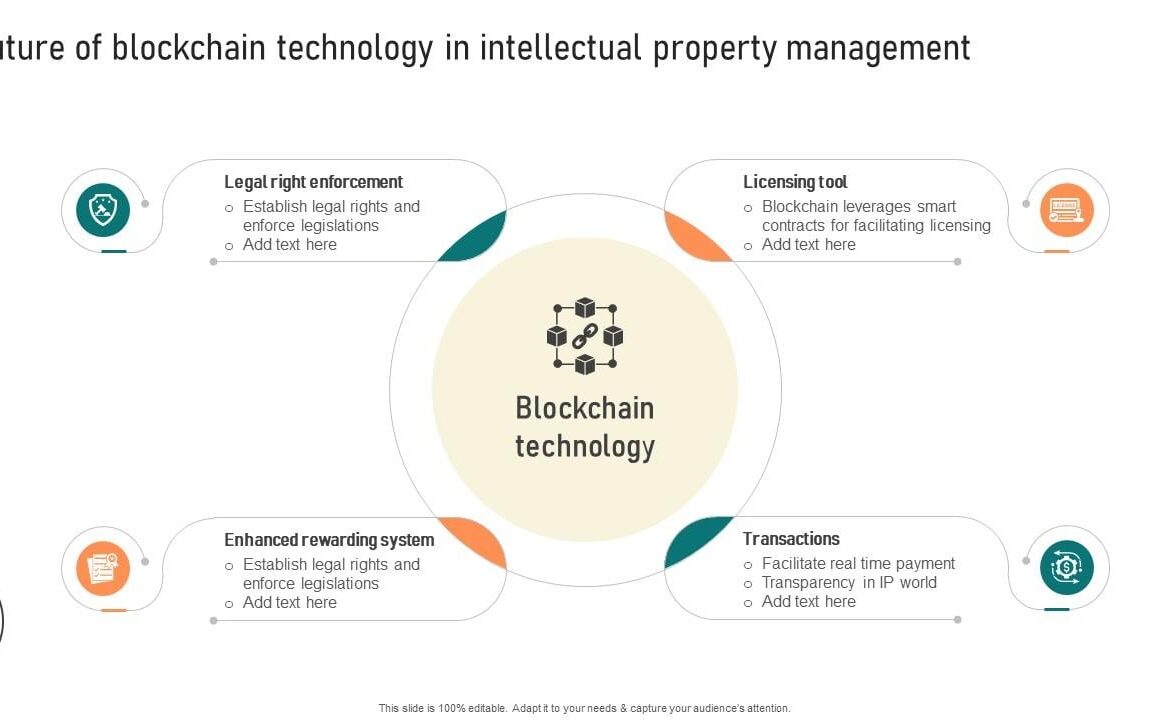
In addition to traditional applications, innovations in blockchain technology are continuing to develop at a rapid pace. Decentralized Finance (DeFi) platforms leverage smart contracts to offer financial services without intermediaries, allowing users to lend, borrow, and trade directly. This is accompanied by the rise of Non-Fungible Tokens (NFTs), which have redefined ownership and authenticity in the digital art and gaming sectors.
Government entities are also exploring blockchain for secure voting systems, identity verification, and public records management. Countries like Estonia have implemented blockchain-based solutions for secure digital identities, drastically improving public service delivery.
Conclusion
The implications of blockchain technology are vast and continually evolving. As more industries adopt this technology, we can anticipate an increase in innovations that will further enhance transparency, reduce fraud, and streamline operations. For readers, understanding blockchain is crucial in navigating a future where digital transactions become increasingly prevalent and integral to everyday life. Keeping abreast of these developments will be vital for individuals and businesses alike looking to stay competitive in an increasingly digital economy.