The Political Landscape of Israel Under Netanyahu’s Leadership
Introduction
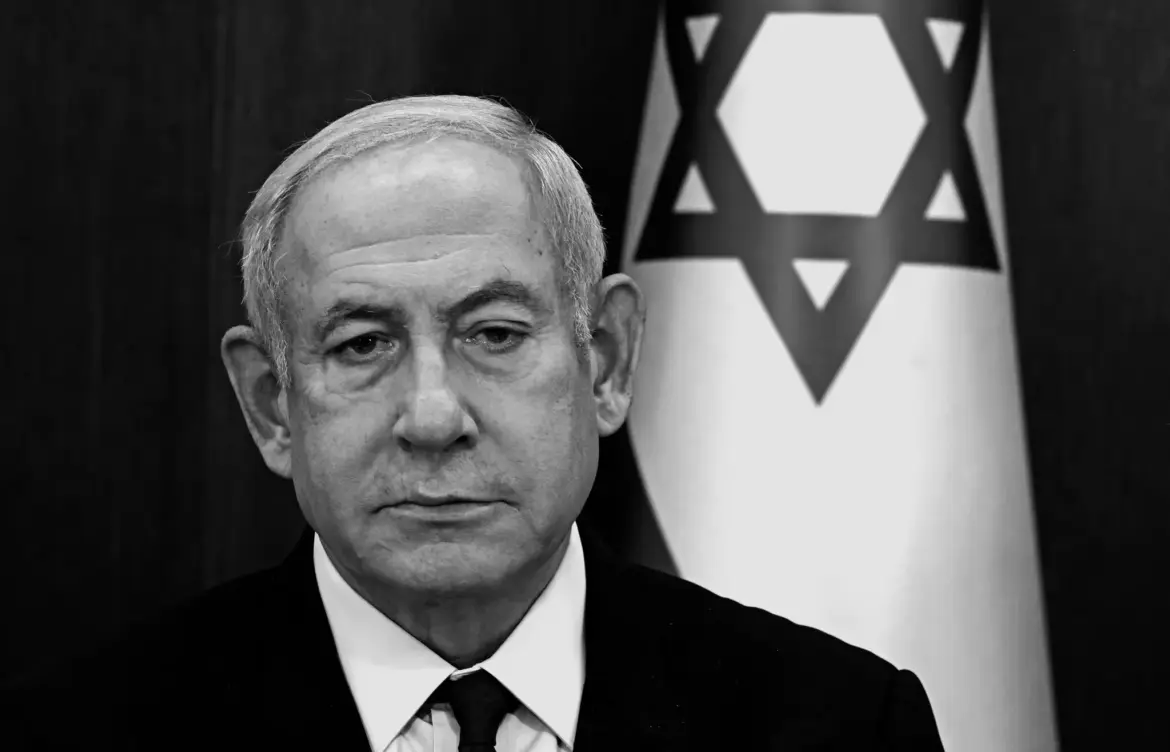
The political scene in Israel has been profoundly shaped by the leadership of Prime Minister Benjamin Netanyahu. Known for his controversial policies and strong rhetoric, Netanyahu has been a pivotal figure in Israeli politics for decades. His current leadership comes at a crucial time as Israel grapples with both internal divisions and external pressures, making his role and decisions increasingly relevant on the global stage.
Recent Developments
As of October 2023, Netanyahu is navigating a tumultuous landscape marked by mounting domestic opposition, ongoing tensions with Palestinians, and strained relations with key allies. Following a series of protests against his government’s judicial reforms, Netanyahu’s administration has faced intense scrutiny from both the opposition and the public. The proposed changes aimed at altering the power dynamics of Israel’s judiciary have sparked concerns about the erosion of democratic norms.
Additionally, the current geopolitical climate has complicated Netanyahu’s position. The ongoing conflict in Gaza and uncertainty in relations with neighboring countries add layers of complexity to his leadership. Recent escalations have drawn international attention, leading to calls for restraint from various global leaders. Netanyahu’s responses to these challenges have been under intense observation, as they reflect his longstanding approach to national security and diplomacy.
Impact on International Relations
Netanyahu’s foreign policy, particularly concerning relations with the United States and other global powers, continues to be a significant focus. His government has sought to solidify alliances, particularly in the face of growing tensions with Iran. The Abraham Accords, normalized relations with several Arab nations during his earlier terms, remain a cornerstone of his diplomatic strategy. However, criticisms over his handling of Israeli-Palestinian relations pose a risk to fostering lasting peace in the region.
Conclusion
As Netanyahu continues his leadership amid widespread challenges, the significance of his policies and decisions cannot be understated. The outcome of his government’s actions will have lasting effects not only on Israel but also on broader Middle Eastern stability and U.S. foreign policy interests. The coming months will be crucial in determining whether Netanyahu can navigate these complexities and maintain his grip on power in an increasingly divided political landscape.