The Political Landscape of Benjamin Netanyahu
Introduction
Benjamin Netanyahu, a prominent figure in Israeli politics, has served multiple terms as the Prime Minister of Israel. His leadership has been marked by significant national security initiatives and controversial policies, making him one of the most recognizable political figures in Israel and worldwide. Understanding Netanyahu’s impact on Israeli politics is crucial, especially in the current climate of regional tensions and global diplomatic relationships.
Political Career Overview
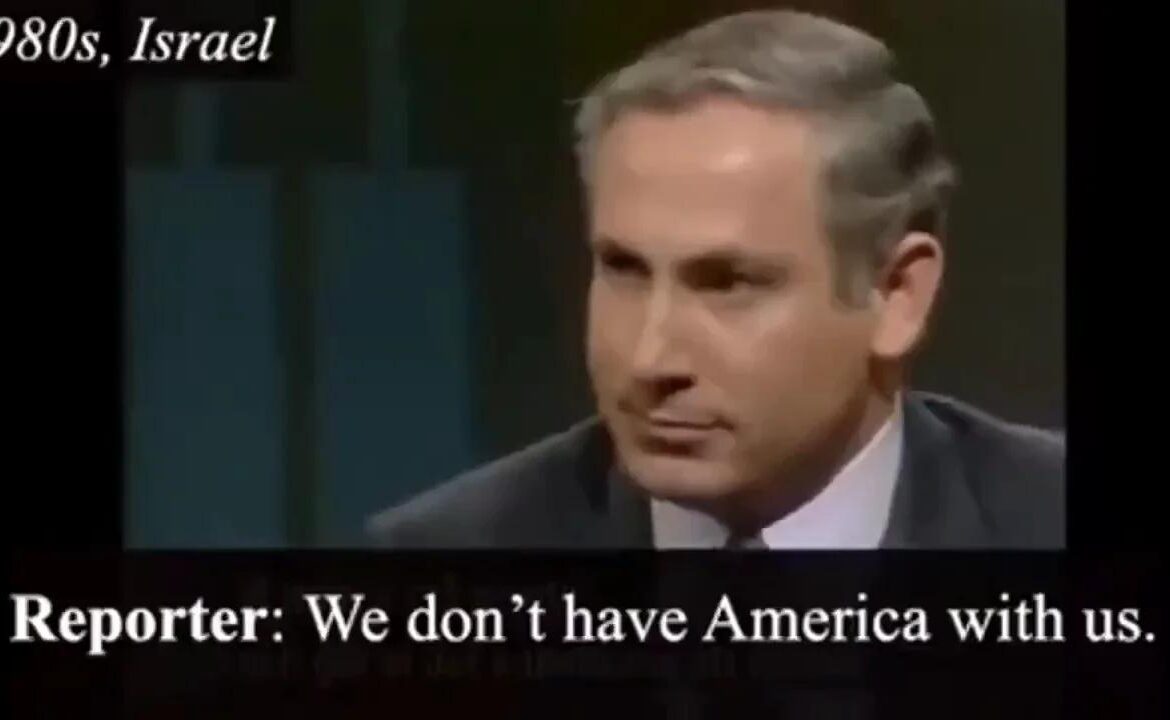
Netanyahu began his political career in the late 1980s, serving as Deputy Chief of Mission in the Israeli Embassy in Washington D.C. before making his move into politics. He was first elected Prime Minister in 1996 and again in 2009, obtaining a rare third consecutive term in 2015. During his time in office, he has focused on national security, economic liberalization, and strengthening ties with allies like the United States. His tenure has also seen significant developments around ongoing conflicts in the region, particularly concerning the Israeli-Palestinian situation.
Recent Developments
As of 2023, Netanyahu’s government coalition faced criticism over its handling of domestic issues, particularly regarding judicial reforms that have been perceived as undermining judicial independence. Protests erupted in the streets of Jerusalem, with citizens voicing their concerns about the potential erosion of democratic institutions in the country. The tensions have been exacerbated by ongoing clashes at holy sites and rising violence in the West Bank.
International Relations
Netanyahu’s leadership has also been characterized by shifting foreign policy strategies, including normalization deals with several Arab nations through the Abraham Accords. However, tensions with neighboring countries and organizations persist. Despite these challenges, Netanyahu remains committed to bolstering Israel’s defense capabilities and fostering economic growth through innovation and technology sectors.
Conclusion
The political future of Benjamin Netanyahu appears complex as he continues to navigate internal dissent and external pressures. His ability to maintain a stable government in the face of public outcry and geopolitical instability will be crucial for his legacy. Observers will be watching closely to see how Netanyahu’s strategies unfold and their implications for both Israel and broader international relations in the coming years.