The Legacy of Tony Dungy: Coach, Mentor, and Philanthropist
Introduction
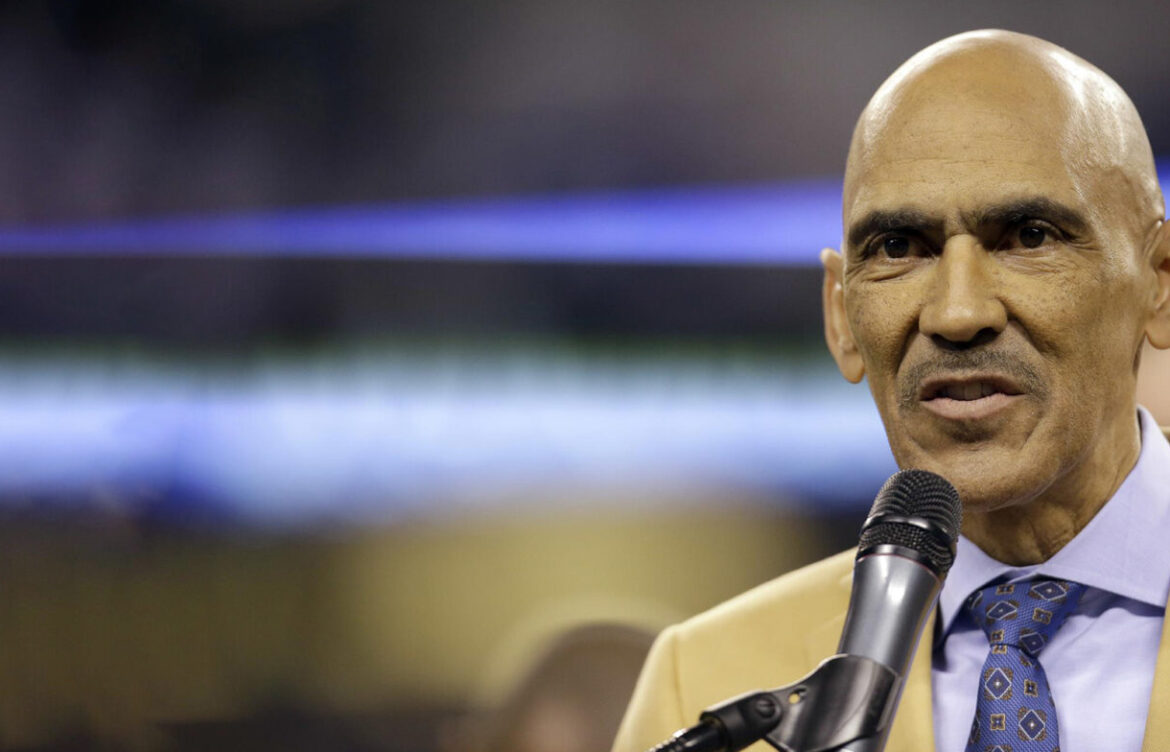
Tony Dungy, a name synonymous with excellence in the NFL, continues to leave a profound impact on the world of football and beyond. As the first African American head coach to win a Super Bowl, his legacy goes far beyond the gridiron. Dungy’s journey as a player, coach, and community leader reflects the importance of mentoring, compassion, and the drive to uplift others. His life and achievements are relevant now more than ever as discussions around diversity and leadership in sports gain traction.
A Trailblazer in the NFL
Tony Dungy’s coaching career began in the NFL in 1980 and spanned over two decades, culminating in his historic victory with the Indianapolis Colts in Super Bowl XLI. Under his leadership, the Colts not only achieved athletic greatness but also showcased the importance of character and integrity in sportsmanship. Dungy emphasized the development of young talent and professed that winning must be accompanied by humility and respect.
Leadership and Mentorship
Beyond tactics and strategy, Dungy is revered for his philosophy of leadership. He advocated for players to be role models in their communities and often worked with young athletes to help them achieve their potential. His best-selling book, "Quiet Strength," chronicles not only his coaching methods but also his faith and values, providing readers with insight into his approach as a leader.
Philanthropic Efforts
Off the field, Dungy’s commitment to philanthropy stems from a belief in giving back to communities. He established the Dungy Family Foundation, which focuses on youth development, education, and character-building programs. Through various outreach initiatives, he has continued to inspire a new generation of leaders. His efforts are particularly impactful in underserved communities, where access to resources and mentorship can significantly alter the trajectories of young lives.
Conclusion
The significance of Tony Dungy’s contributions to football and society cannot be overstated. As conversations around equity and representation in sports evolve, his model of leadership remains a guiding light. Looking ahead, Dungy’s enduring legacy challenges current and future generations to prioritize integrity and empathy in their pursuits. It is crucial for readers and fans alike to remember that athletes are not just performers; they are role models who have the power to create lasting change in their communities.