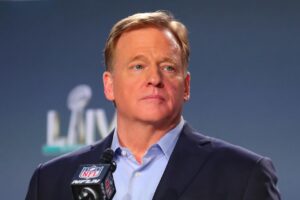
Roger Goodell’s Leadership and Influence on the NFL
Introduction
Roger Goodell, the Commissioner of the National Football League (NFL), has played a pivotal role in shaping the league since his appointment in 2006. Under his leadership, the NFL has seen significant transformations, including changes in rules, emphasis on player safety, and issues surrounding social justice. Understanding Goodell’s influence is crucial for fans, analysts, and stakeholders in the sports industry as the NFL continues to grow and evolve.
Key Achievements and Challenges
Since taking office, Goodell has navigated numerous challenges. One of his significant achievements was enhancing the NFL’s revenue, which exceeded $17 billion in 2022, a figure that includes lucrative television contracts and sponsorship deals. His focus on expanding the league’s global footprint has also led to more international games, including matches in London and Mexico City.
However, Goodell’s tenure has not been without controversy. He faced criticism over the league’s handling of player conduct, especially concerning issues related to domestic violence and the impact of concussions. The 2014 Ray Rice incident sparked widespread outrage and what many saw as a flawed response, leading to a review of the NFL’s personal conduct policy.
Player Safety Initiatives
In response to ongoing concerns about player safety, particularly regarding concussions, Goodell has implemented significant rule changes and safety protocols. The NFL has invested millions in research and education regarding traumatic brain injuries. In 2021, the NFL expanded its concussion protocols, further highlighting its commitment to player wellbeing.
Social Responsibility and Community Engagement
Goodell has also taken steps to address social issues through initiatives like ‘Inspire Change,’ focusing on education, economic advancement, and police-community relations. The league’s response to the Black Lives Matter movement in 2020 showed a significant shift in stance, with Goodell recognizing the need to amplify players’ voices regarding social justice issues. This acknowledgment marked a turning point in the NFL’s approach to community engagement.
Conclusion
As Roger Goodell continues his role as NFL Commissioner, his leadership will be critical in navigating the league’s future, with ongoing challenges related to social issues, player safety, and financial stability. As the NFL attracts a growing global audience, Goodell’s ability to adapt and respond to these evolving concerns will shape the league’s legacy. For fans and stakeholders, understanding his influence is more pertinent than ever, especially as the NFL enters a new era marked by heightened scrutiny and expectation.