The Legacy of JFK Jr: Impact on Society and Politics
Introduction
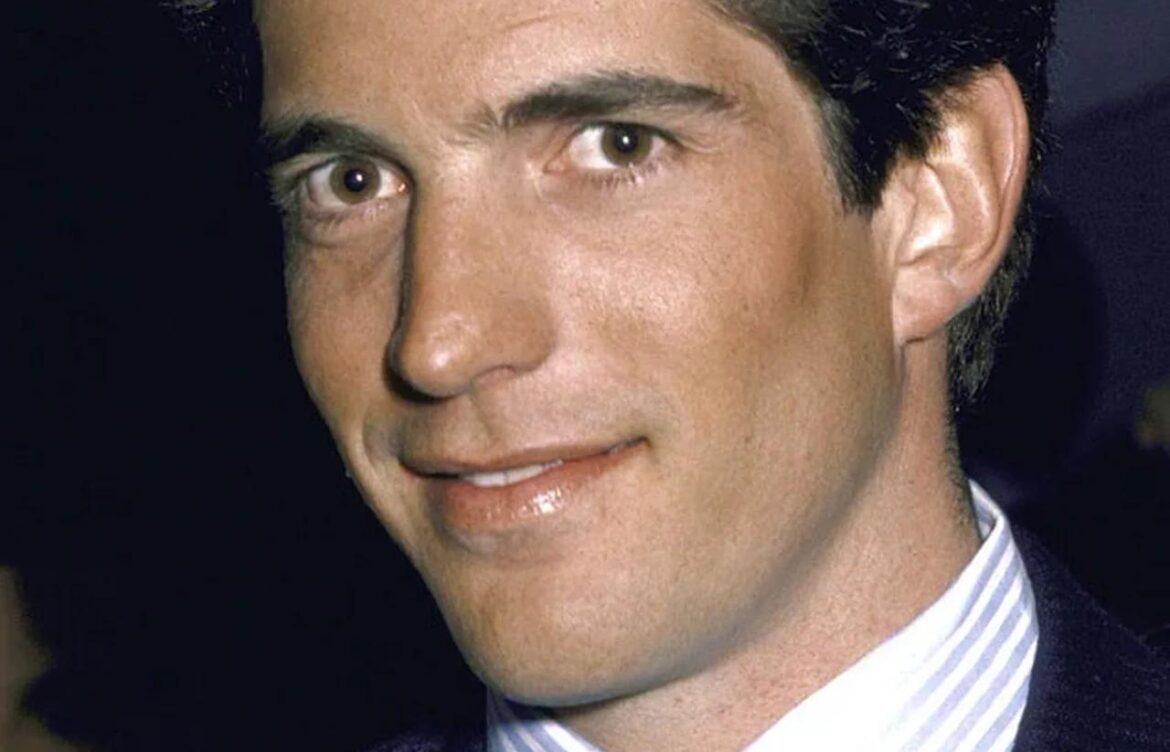
The legacy of John F. Kennedy Jr., son of the late President John F. Kennedy and Jacqueline Kennedy Onassis, continues to shape American society and politics even decades after his tragic death in 1999. As a public figure, Kennedy Jr.’s life was marked by both privilege and tragedy, capturing the imagination of the American public. Understanding his influence is crucial for recognizing the ongoing dialogues surrounding political dynasties and media representation in the United States.
Early Life and Education
Born on November 25, 1960, JFK Jr. was thrust into the public eye from birth, becoming a symbol of hope and emblematic of the Camelot era associated with his father. He graduated from Brown University and earned a law degree from New York University School of Law. Kennedy Jr. cultivated a career that combined his interests in law, journalism, and public service, which he considered vital aspects of his family’s legacy.
Career and Contributions
Besides co-founding George magazine in 1995, where he sought to engage younger voters, Kennedy Jr. made significant contributions to various causes, including environmental advocacy and civil rights. His charisma and ability to connect with everyday Americans made him a powerful figure, although he often resisted the expectations that came with his family name. He was a prominent voice in environmental law, fighting against pollution and defending public lands.
Tragic Death and Public Reaction
The tragic crash on July 16, 1999, that took the lives of JFK Jr., his wife Carolyn Bessette Kennedy, and her sister Lauren Bessette shocked the nation. The intense media coverage surrounding the event highlighted the enduring fascination with the Kennedy family. Following his death, numerous tributes poured in, underscoring his impact on the American psyche.
Ongoing Influence and Legacy
In the years since his passing, JFK Jr.’s legacy has continued to resonate. Political dynasties are a staple in American politics, and many speculate how JFK Jr.’s potential political career could have shaped contemporary issues. Furthermore, his life story serves as a reminder of the complexities surrounding public figures. The ongoing debates about legacy, privilege, and responsibility in politics reflect the conversations that JFK Jr. would likely have engaged with had he lived.
Conclusion
JFK Jr. remains an enduring symbol of a bygone era, with his influence felt in discussions on media, politics, and the impact of public life. His life and death prompt an examination of how legacy shapes American culture and politics today. As new generations learn about him, the lessons of his journey remind us of the connections between personal ideals and public expectation in the world of politics.