The Lasting Influence of Noam Chomsky on Linguistics and Society
Introduction
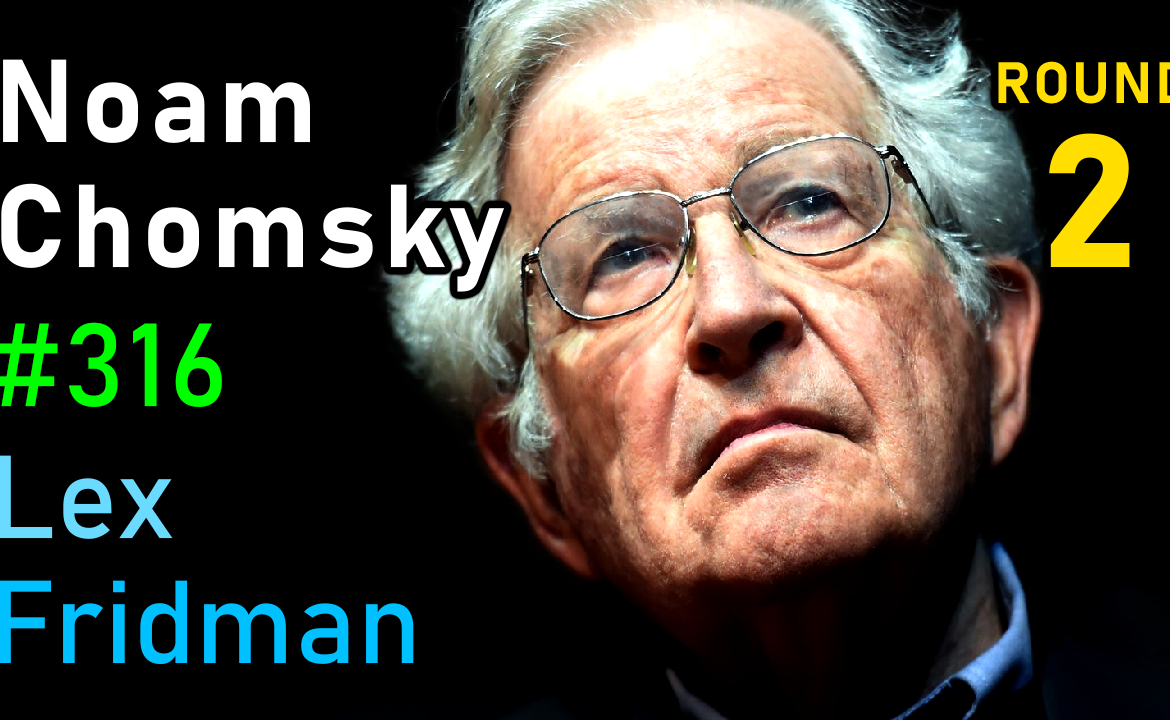
Noam Chomsky, born on December 7, 1928, is widely regarded as one of the most influential intellectuals of the modern era. His groundbreaking theories have not only revolutionized the field of linguistics but have also shaped global discourse on politics and ethics. As we continue to navigate a complex social and political landscape, understanding Chomsky’s contributions offers valuable insights into both language and activism.
Chomsky’s Linguistic Contributions
Chomsky’s most significant impact came through his development of the theory of transformational-generative grammar in the 1950s. This theory posited that the ability to generate an infinite number of sentences is innate to humans, a concept that challenged previous behaviorist theories of language acquisition. His seminal work, “Syntactic Structures” (1957), laid the foundation for modern linguistics and introduced ideas that would later influence multiple disciplines, including cognitive science and psychology.
Chomsky’s idea of a “universal grammar” suggests that all human languages share a common structural basis. This theory has encouraged extensive research and dialogue among linguists, leading to deeper understanding of language processing, language change, and the nature of human cognition. Today, Chomsky’s theories remain fundamental in university curricula around the world.
Activism and Political Thought
Beyond linguistics, Chomsky is also known for his work as a political activist and critic of U.S. foreign policy. His book, “Manufacturing Consent: The Political Economy of the Mass Media,” co-authored with Edward S. Herman, analyzes how media serves as a propaganda tool for powerful institutions by shaping public perception and opinion. Chomsky argues that the media often distorts reality, serving the interests of corporations and governments rather than the public.
Throughout his career, Chomsky has been a vocal critic of military interventions, economic inequality, and the erosion of civil rights. His commitment to social justice and advocacy for oppressed communities continues to resonate in contemporary movements for change, inspiring new generations to question authority and promote grassroots activism.
Conclusion
Noam Chomsky’s influence on both linguistics and sociopolitical activism remains profound and enduring. As issues of injustice, inequality, and misinformation persist, his work serves as a tool for critical analysis and a call to action. Chomsky’s ability to bridge the gap between complex linguistic theory and practical societal issues highlights the importance of understanding language as a reflection of human thought and culture. Looking ahead, the relevance of his ideas continues to challenge and inspire those committed to both the study of language and the pursuit of social justice.