The Enduring Legacy of Noam Chomsky
Introduction
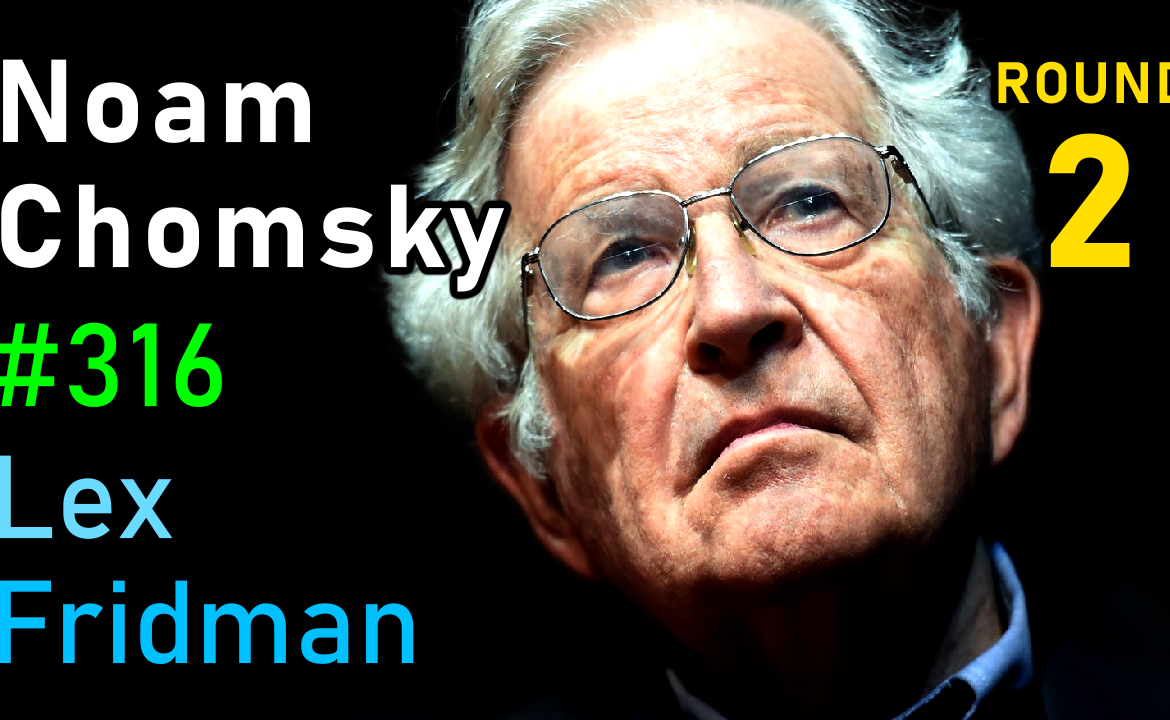
Noam Chomsky, a prominent intellectual and linguist, has made significant contributions to various fields including linguistics, philosophy, and politics. His work has prompted discussions surrounding language theory and political activism, proving relevant even decades after his initial theories and critiques were published. As debates surrounding social justice, government accountability, and media influence become increasingly pertinent, Chomsky’s insights continue to resonate in contemporary society.
Chomsky’s Linguistic Contributions
Chomsky revolutionized the field of linguistics in the 1950s with his theories of transformational-generative grammar. He introduced the idea that language is an innate structure within humans, fundamentally challenging previous behavioral theories that viewed language learning as simply a response to environmental stimuli. His work laid the foundation for the modern study of language, influencing not only linguists but also cognitive scientists and philosophers.
Political Activism and Criticism
Beyond linguistics, Chomsky is well-known for his criticism of U.S. foreign policy and corporate influence in media. His book, “Manufacturing Consent,” co-authored with Edward S. Herman, argues that mass media serves as a propaganda tool for powerful societal interests. Chomsky’s activism has sparked discussions on various global issues, from war and humanitarian crises to economic disparities, challenging individuals to rethink their views on power and democracy.
Current Relevance
As of 2023, Chomsky’s work remains crucial in understanding the dynamics of language, politics, and communication. With the rise of misinformation and populism in online media, Chomsky’s critiques highlight the importance of questioning sources of information and advocating for a more informed and engaged citizenry. His warnings about the perils of unchecked power and the necessity for dissent continue to inspire new generations of thinkers and activists.
Conclusion
The legacy of Noam Chomsky embodies the intersection of linguistic theory and social critique. As society grapples with complex challenges, his work serves as a reminder of the importance of language, the need for critical examination of media, and the role of activism in fostering change. Moving forward, his insights can help guide discussions about the future of communication and political engagement in an increasingly interconnected world.