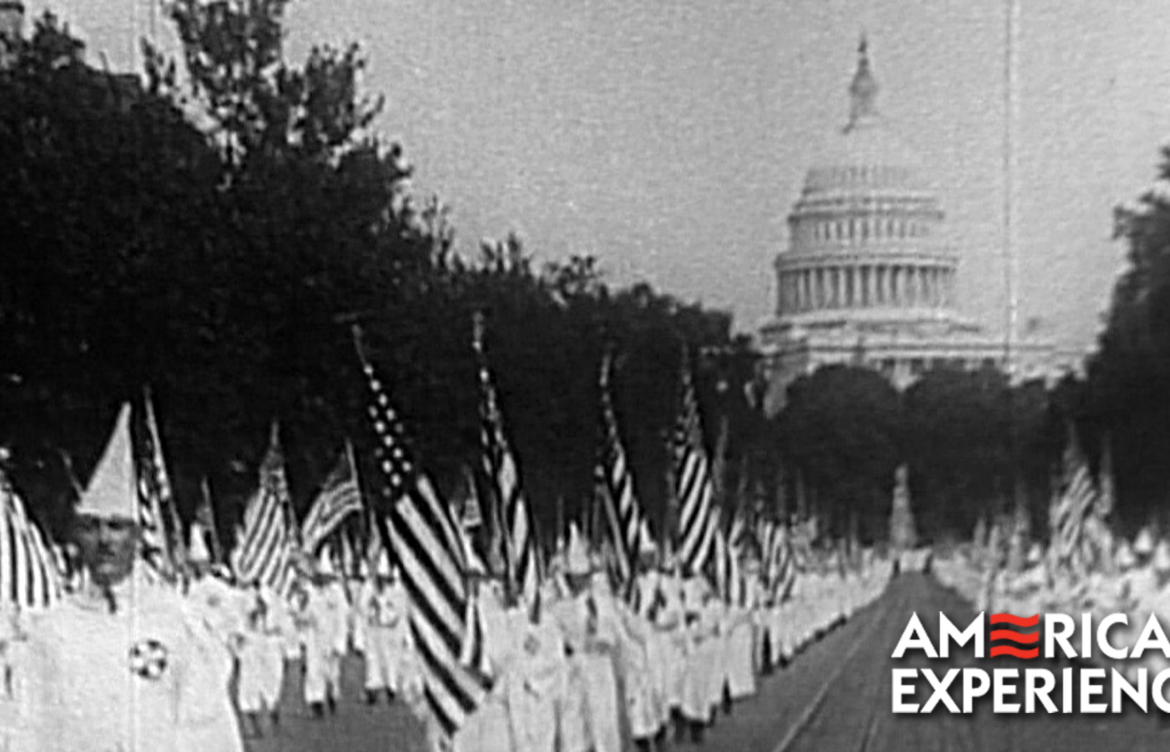
The KKK Act: Historical Significance and Contemporary Relevance
Introduction
The KKK Act, formally known as the Ku Klux Klan Act of 1871, was enacted in response to the rampant violence and intimidation perpetrated by white supremacist groups in the post-Civil War United States. This legislation aimed to protect the civil rights of African Americans and curb the terrorist activities of the Klan. Understanding the implications of the KKK Act remains crucial today as issues of racial equality and civil rights continue to be at the forefront of American social and political discourse.
Historical Context
The KKK Act arose during a turbulent period in U.S. history, particularly during Reconstruction, when various laws sought to rebuild the South and integrate freed slaves into society. The KKK, established in 1865, quickly became notorious for its violent acts against African Americans and their allies. The federal government sought to suppress this violence through the KKK Act, which provided for federal intervention against groups that conspired to deprive individuals of their rights.
Key Provisions of the Act
The legislation primarily allowed federal authorities to prosecute individuals who conspired to violate the civil rights of others. It empowered the President to use federal troops to enforce its provisions as necessary, highlighting the federal commitment to protecting individual liberties at a time when state authorities were often unwilling or unable to do so.
Recent Developments and Relevance
In the modern context, the KKK Act has gained renewed attention, especially regarding contemporary movements that echo the sentiments of racial superiority and discrimination. Legal analysts note that the act could potentially be invoked against groups that employ tactics of intimidation or violence similar to those of the Klan. In recent years, several civil rights organizations have sought to leverage the act in cases involving hate crimes and extremist group activities, indicating its ongoing importance in legal and civil rights conversations.
Conclusion
As the nation grapples with ongoing racial tensions and discussions surrounding civil rights, the KKK Act stands as a historical reminder of the federal government’s power to combat hate and protect citizens. As we reflect on its implications and relevance, it is essential for individuals and activists to understand the tools available to safeguard civil liberties today. The act serves not only as a historical artifact but as an active legal instrument capable of addressing contemporary challenges in the fight for equality.