The Enduring Legacy of George Washington
Introduction
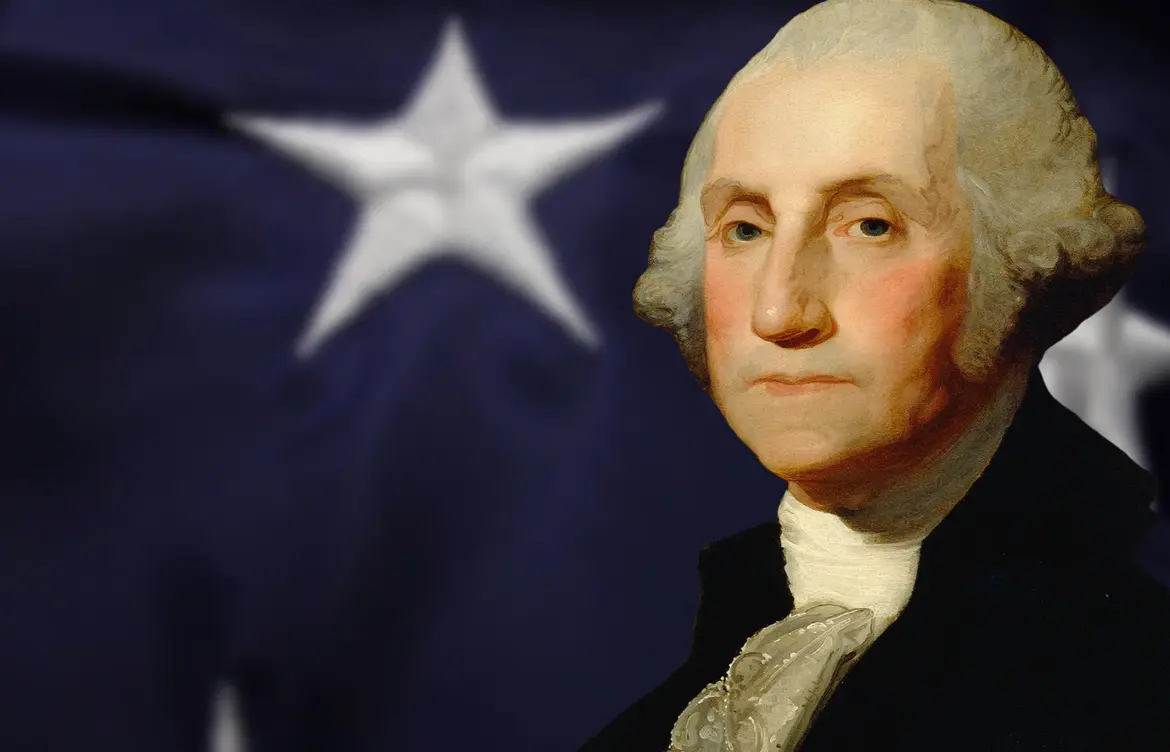
George Washington, the first President of the United States, remains a pivotal figure in the history of the nation. His leadership during the American Revolution and his role in shaping the newly formed government have left an indelible mark on the fabric of the United States. Understanding Washington’s contributions provides insight into the challenges faced by the early republic and the principles that continue to guide the nation today.
Major Contributions
Born on February 22, 1732, in Westmoreland County, Virginia, Washington’s early life was steeped in the traditions of plantation management. His military career began during the French and Indian War, where he gained invaluable experience. However, it was his leadership in the American Revolution that solidified his reputation. As Commander-in-Chief of the Continental Army from 1775, Washington faced enormous challenges, including limited resources and a divided populace. His decisive victory at the Siege of Yorktown in 1781 was crucial in securing American independence.
Beyond the battlefield, Washington’s role in the Constitutional Convention of 1787 was instrumental. His support for a strong federal government helped pave the way for the ratification of the United States Constitution. Elected unanimously as the first President in 1789, he set essential precedents, including the establishment of a cabinet and the tradition of a two-term limit, shaping expectations for future presidents.
Washington’s Legacy
George Washington’s influence extended far beyond his presidency. He embodied the values of the new nation, including unity and republicanism. His Farewell Address in 1796, which warned against political parties and foreign alliances, continues to resonate in contemporary political discourse. Washington’s decision to relinquish power voluntarily after two terms set a powerful precedent, underscoring his belief in the principle of civilian governance.
Conclusion
The impact of George Washington on the United States cannot be overstated. As a leader, he faced significant obstacles and made choices that shaped the future of the nation. His commitment to democracy and the rule of law remains a cornerstone of American identity. As we reflect on his life, it is essential to recognize the lessons learned and the ongoing relevance of his teachings in today’s political landscape. Washington’s legacy is not just a chapter in history; it serves as a guiding light for current and future generations on the importance of leadership, integrity, and civic responsibility.