The Influence of Ali Khamenei on Iran’s Political Landscape
Introduction
As the Supreme Leader of Iran, Ali Khamenei has been a central figure in the country’s political landscape since 1989. His leadership comes with significant implications for both domestic policies and international relations, particularly as tensions continue to rise in the region. Understanding Khamenei’s influence is crucial for analyzing Iran’s future and its role on the global stage.
Khamenei’s Political Context
A born in 1939, Khamenei became the Supreme Leader following the death of Ruhollah Khomeini, the founder of the Islamic Republic. Over the decades, he has consolidated power and positioned himself as the ultimate authority within Iran, shaping its political, economic, and military policies. Khamenei’s leadership style is characterized by his firm stance against Western intervention, strict adherence to Islamic principles, and a commitment to expanding Iran’s influence across the Middle East.
Recent Developments
In recent months, Khamenei has faced increased domestic pressure due to widespread protests concerning economic hardships and social restrictions, particularly concerning women’s rights and personal freedoms. The unfolding events following the death of Mahsa Amini in 2022 stirred national protests against the government, which Khamenei has labeled as hostile acts incited by foreign entities. Consequently, he has called for a renewed focus on internal security and the bolstering of Iran’s military capabilities without yielding to public demands for reform.
International Relations and Sanctions
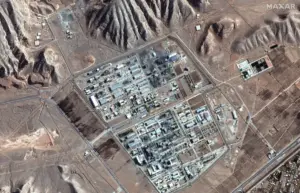
Khamenei’s influence extends well beyond domestic affairs into the realm of international relations. Iran’s nuclear program remains a central point of contention with Western powers, especially given Khamenei’s stated position of not allowing the country to be ‘bullied’ in negotiations. The recent failure to renegotiate the nuclear deal has led to mounting economic sanctions, which have further aggravated the Iranian public’s dissatisfaction with Khamenei’s governance.
Conclusion
As Iran navigates through a complex socio-political landscape marked by internal strife and external pressures, Khamenei’s decisions will be pivotal in determining the trajectory of the nation. His reign has transformed Iran into a geopolitical player, yet his stringent measures may either solidify his power or push the populace to demand greater change. Understanding Khamenei’s position is crucial for stakeholders worldwide as Iran continues to play a pivotal role in Middle Eastern politics and international relations.