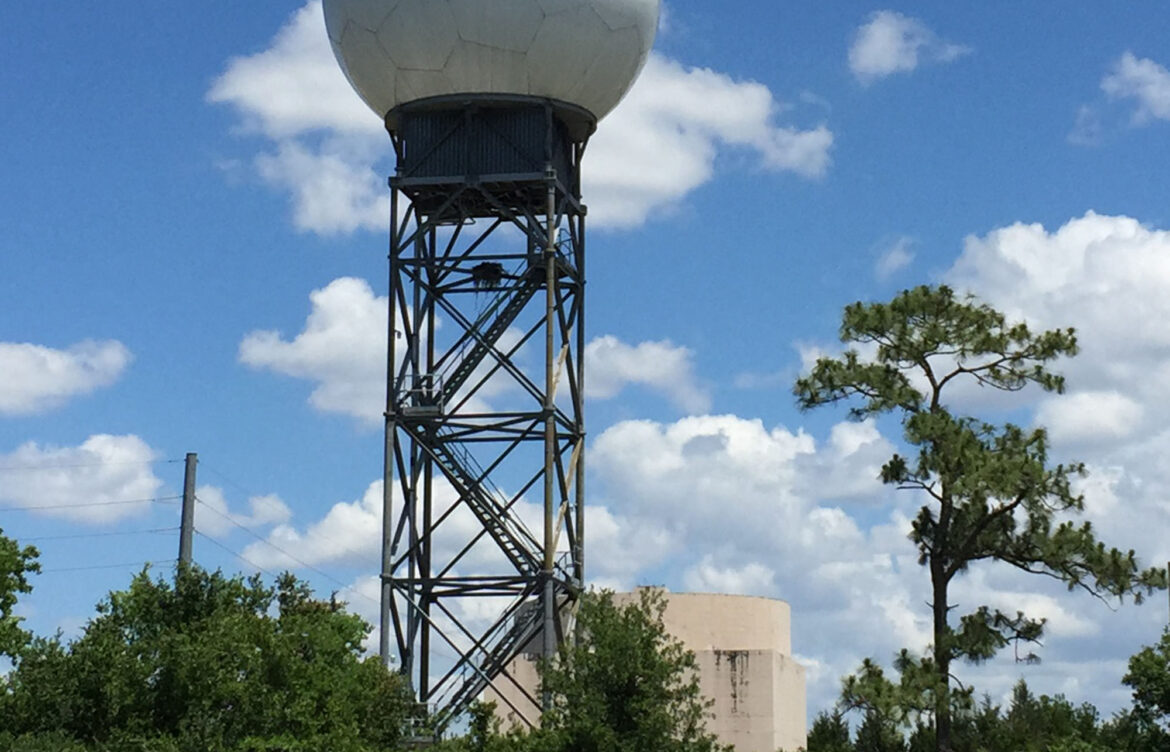
The Importance of Weather Radar in Modern Forecasting
Introduction
Weather radar plays a crucial role in modern meteorology, providing real-time data that helps predict severe weather conditions. Especially with the increase in extreme weather events, understanding how weather radar works and its applications has never been more vital for public safety and preparedness. This technology aids emergency services, protects lives, and informs individuals of impending hazardous weather.
How Weather Radar Works
Weather radar systems use radio waves to detect precipitation. These systems emit signals that bounce off raindrops or snowflakes, returning with data on the intensity, position, and movement of the weather phenomena. Doppler radar can even measure wind speed and direction, giving meteorologists insights into storm structure.
Recent Developments in Weather Radar
Recent advancements in weather radar technology, such as dual-polarization radar, have significantly improved forecasting accuracy. This technology not only measures the amount of precipitation but also distinguishes between rain, snow, and hail, providing valuable information on storm severity. Additionally, the National Oceanic and Atmospheric Administration (NOAA) has increased the coverage of weather radar across the United States, allowing for better monitoring of severe weather systems.
Impact on Weather Forecasting
With the increasing severity of weather events attributed to climate change, radar data has become even more critical. For example, during the recent hurricane season, accurate radar-based predictions enabled timely evacuations and resource allocations, saving countless lives. Furthermore, the ability to track tornadoes and severe thunderstorms in real-time has empowered communities to prepare and act quickly.
Conclusion
Weather radar technology is essential for accurate weather forecasting and safety management. As climate anomalies become more prevalent, the need for sophisticated meteorological tools continues to grow. Continued investments in weather radar infrastructure and technology will ensure that communities remain informed and protected against extreme weather events. Overall, staying updated with developments in weather radar enhances public knowledge and preparedness, highlighting the importance of this technology in our daily lives.