The Importance of Weather Forecasting in Daily Life
Introduction
Weather forecasting plays a crucial role in shaping our daily decisions and planning activities. From determining what clothing to wear to making critical decisions for agricultural practices, weather predictions inform us about the atmospheric conditions we can expect. As climate change increasingly affects weather patterns, understanding forecasting techniques is more important than ever for individuals and businesses alike.
Current State of Weather Forecasting
In recent years, advanced technologies have revolutionized weather forecasting. Applications such as satellite imagery, radar systems, and computer modeling have significantly increased the accuracy and reliability of meteorological predictions. According to the National Oceanic and Atmospheric Administration (NOAA), forecasting accuracy has improved by about 25% over the last few decades, which translates to better preparedness for severe weather events.
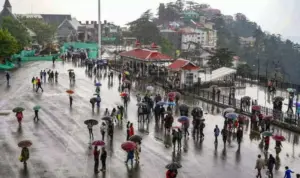
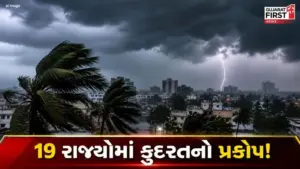
This past month, the east coast experienced unusual weather fluctuations characterized by extreme heat followed by heavy rainfall and strong storms. These events highlighted the necessity of timely and accurate weather forecasts to prepare communities for the potential dangers of severe weather. Meteorologists employed high-resolution models and real-time data to communicate developing conditions effectively.
Impact on Various Sectors
The significance of weather forecasting extends beyond individual convenience. Agriculture relies heavily on accurate forecasts to ensure optimal planting and harvesting times, minimize crop damage from unexpected weather events, and manage resources such as water for irrigation. In the transportation sector, airlines and shipping companies utilize forecasts to plan routes and schedules, enhancing safety and efficiency.
Moreover, the energy sector uses weather predictions to adjust energy demands. For instance, anticipating colder temperatures can lead to increased demand for heating fuels, prompting energy providers to secure additional resources in advance.
Conclusion
As we recognize the importance of reliable weather forecasting, it’s clear that advancements in meteorological technology will continue to play a vital role in shaping how we interact with our environment. With ongoing developments, the ability to predict and communicate weather changes will only improve, further assisting individuals, businesses, and communities in making informed decisions. As we navigate a rapidly changing climate, remaining adaptable to accurate weather information will be key to thriving amidst uncertainties.