The Importance of the Moon: More Than Just a Nightlight
Introduction
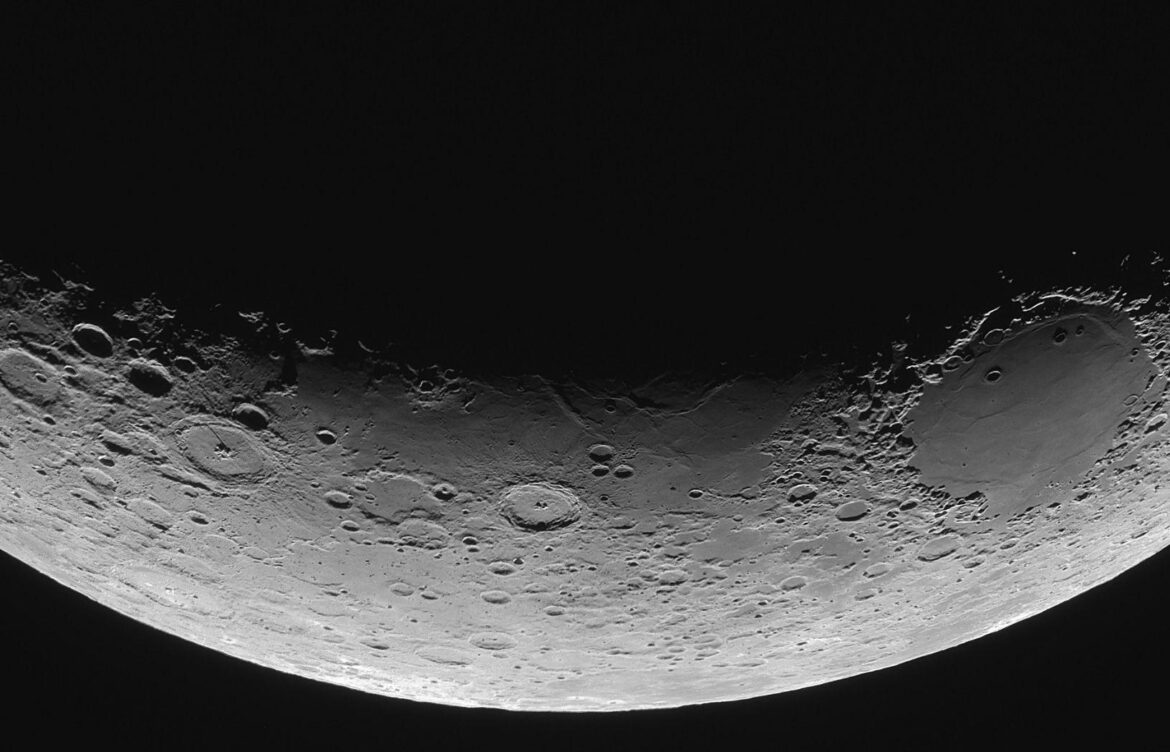
The moon, a celestial body that orbits our planet, plays a crucial role in various aspects of life on Earth. It affects our tides, influences animal behavior, and has been a source of inspiration and study throughout human history. Understanding the moon’s importance can provide insights into Earth’s natural processes, our cultural narratives, and even future exploration.
Scientific Impact
The moon has significant physical effects on Earth, most notably its impact on tides. The gravitational pull of the moon creates high and low tides, which are essential for coastal ecosystems. Additionally, the moon’s stabilizing effect on Earth’s tilt helps regulate our climate, making our planet more habitable.
Ongoing Exploration and Research
In recent years, interest in lunar exploration has surged. NASA’s Artemis program aims to return humans to the moon by the mid-2020s, with the goal of establishing a sustainable presence there. This initiative not only aims to advance scientific knowledge but also prepares humanity for potential missions to Mars. Furthermore, international collaborations with space agencies like ESA (European Space Agency) and ISRO (Indian Space Research Organization) are expanding our understanding of the moon’s resources, such as water ice, which could support future space missions.
Cultural Significance
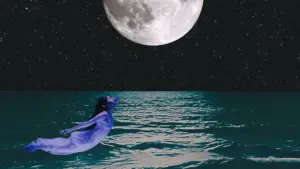
The moon has been a symbol of inspiration in various cultures, influencing myths, literature, and art. It has represented change, beauty, and mystery in human societies. Events like the “Super Blue Moon” capture public attention and highlight the moon’s influence on Earth and humanity’s collective consciousness.
Conclusion
The moon, while seemingly a distant and tranquil object in the night sky, has profound implications for life on Earth and represents the next frontier in space exploration. The ongoing investments in lunar research and exploration signify its importance in our search for new resources, understanding our planet’s past, and securing humanity’s future beyond Earth. As we look to the stars, the moon will undoubtedly remain a focal point of scientific inquiry and cultural inspiration.