The Importance of Real ID: Requirements and Updates
Introduction to Real ID
The Real ID Act, enacted in 2005, aims to establish minimum security standards for state-issued identification documents. Its relevance has surged in recent years as it directly impacts traveling within the United States and accessing federal facilities. With the deadline for compliance approaching, understanding the Real ID requirements is crucial for many Americans.
What is Real ID?
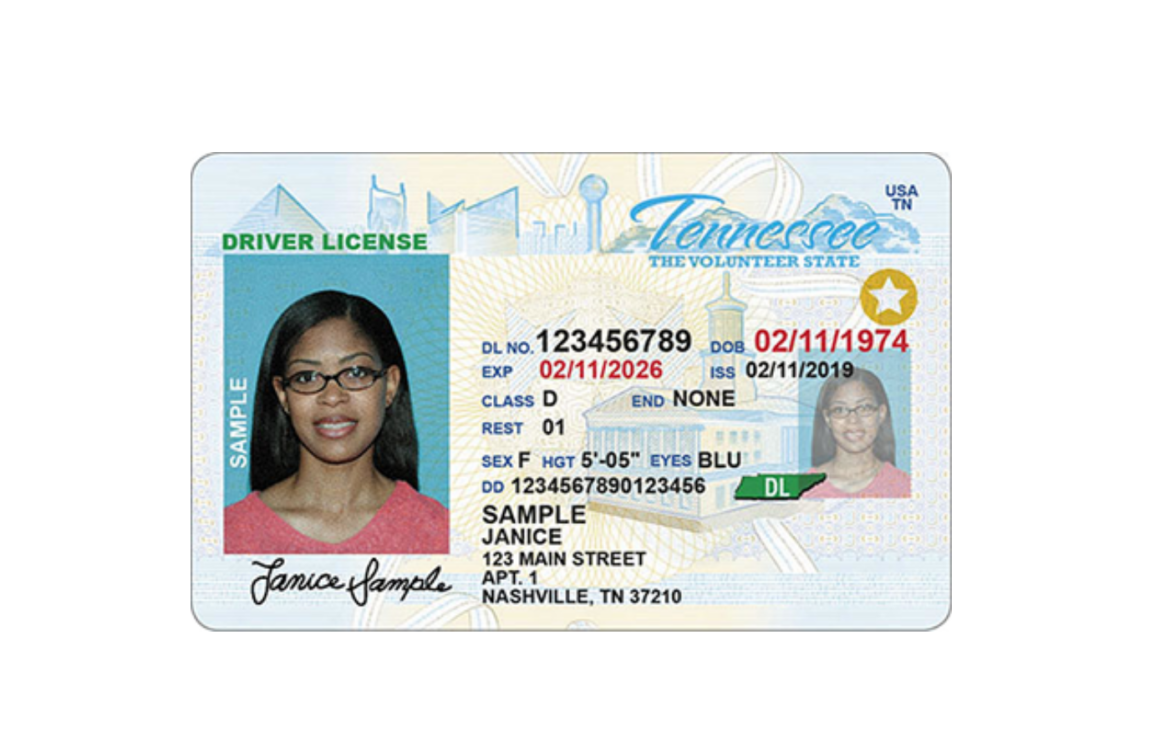
The Real ID is a form of identification that is compliant with federal standards set by the U.S. Department of Homeland Security (DHS). The act requires states to enhance the security of their driver’s licenses and identification cards, ensuring that the documents are more difficult to forge or tamper with. This ID will eventually be essential for boarding commercial flights and entering federal buildings.
Key Requirements for Obtaining a Real ID
To obtain a Real ID, applicants must visit their local Department of Motor Vehicles (DMV) and provide specific documentation. Key requirements typically include:
- Proof of identity (e.g., a birth certificate or passport)
- Proof of residency (e.g., utility bills or leases)
- Social Security number (the number itself or document proving it)
It is important to note that an individual’s current standard ID will not automatically convert to a Real ID; active participation in this process is required.
Current Status and Deadlines
Initially, the deadline for full implementation of Real ID compliance was set for October 1, 2020, but this has been pushed back to May 7, 2025, due to the COVID-19 pandemic. States have until then to meet these requirements. Travelers are encouraged to begin obtaining their Real IDs as demand is expected to surge closer to the deadline.
Conclusion: The Significance of Real ID
As the deadline for compliance draws nearer, it becomes essential for all Americans who intend to travel domestically or access federal sites to ensure they have either a Real ID or an alternative acceptable form of identification. The implementation of Real ID aims to enhance national security and provide a more secure identification process, ultimately benefiting all citizens. As state agencies ramp up efforts to issue Real IDs, proactive measures will be necessary for those who do not already possess compliant documentation.