The Importance of Incident Response Plans in Today’s Digital Landscape
Introduction
In an increasingly digital world, organizations face a variety of threats including cyber-attacks, data breaches, and other security incidents. The timely and effective response to such incidents is critical for minimizing damage and ensuring business continuity. This is where incident response plans (IRPs) come into play. These structured approaches help organizations swiftly react to unforeseen situations, making them a vital component of any comprehensive security strategy.
What is an Incident Response Plan?
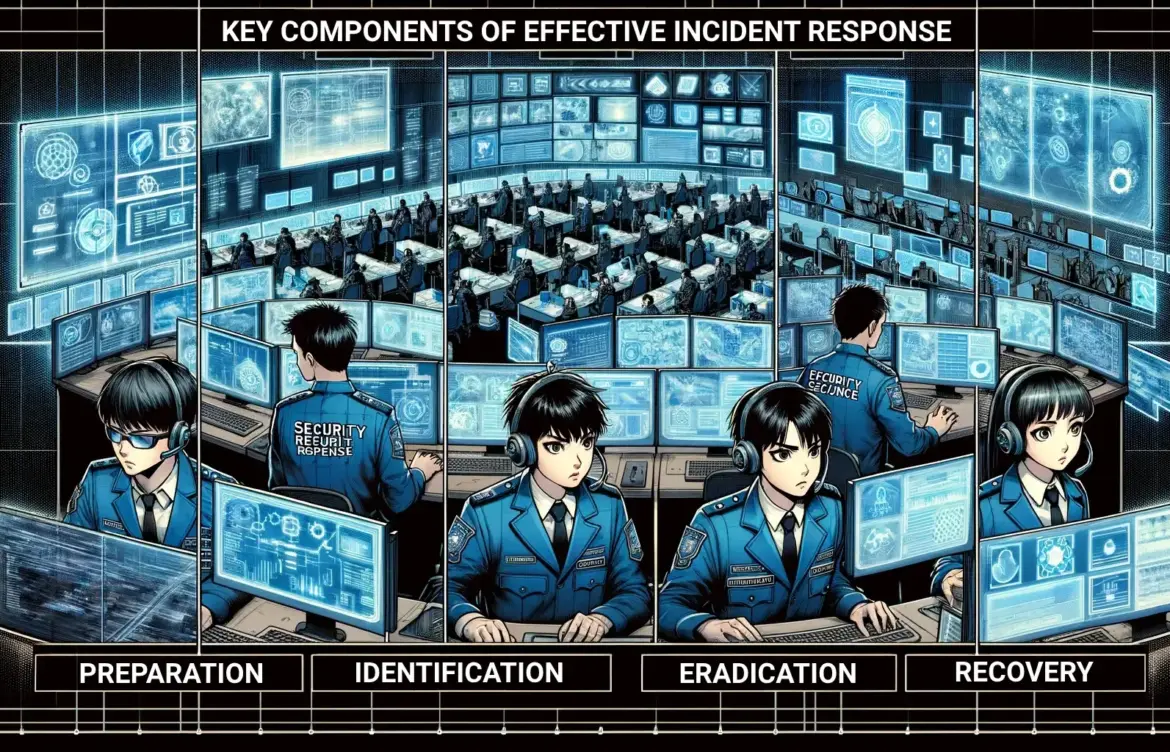
An incident response plan outlines the procedures that an organization must follow when a security incident occurs. Key components of an IRP include preparation, detection, analysis, containment, eradication, recovery, and post-incident review. By implementing these strategies, organizations can improve their response times and reduce the impact of security breaches.
Current Events and Trends
The need for robust incident response plans has been amplified following a series of high-profile cyber-attacks that targeted major corporations earlier this year. For instance, the recent ransomware attack on a well-known financial institution in March 2023 exposed sensitive customer data and led to significant financial losses. Investigations revealed that had a structured incident response plan been in place, the organization could have mitigated the impact of the attack. According to Cybersecurity Ventures, the global cost of cybercrime is expected to reach $10.5 trillion annually by 2025, highlighting the urgent need for effective incident response strategies.
Benefits of Automated Incident Response
As threats become more complex, organizations are turning towards automation to enhance their incident response capabilities. Automated tools can significantly speed up response times and allow IT teams to focus on strategic tasks rather than repetitive manual processes. In a survey conducted by the Ponemon Institute, organizations using automated incident response plans reported a 50% decrease in the time taken to identify and respond to incidents, underlining the efficiency and effectiveness of these plans.
Conclusion
In conclusion, incident response plans are not just a regulatory requirement but an essential framework for organizations aiming to safeguard their assets and maintain public trust. As the threat landscape continues to evolve, companies that invest in proactive incident response strategies will not only minimize damage during an incident but also strengthen their reputation and resilience. Looking ahead, it is imperative for organizations to regularly review and update their incident response plans in line with emerging threats and technological advancements. By doing so, they will be better prepared to face the challenges of the digital age.