The Impact of Trump Twitter on Politics and Social Media
Introduction
The influence of former President Donald Trump on social media, particularly Twitter, has been a focal point in American political discourse. His unique style of direct and unfiltered communication has not only reshaped the way politicians engage with the public but has also significantly impacted the broader dynamics of social media platform usage. Understanding the implications of Trump Twitter is crucial as it continues to illustrate the intersection of politics and digital communication.
Trump’s Twitter Journey
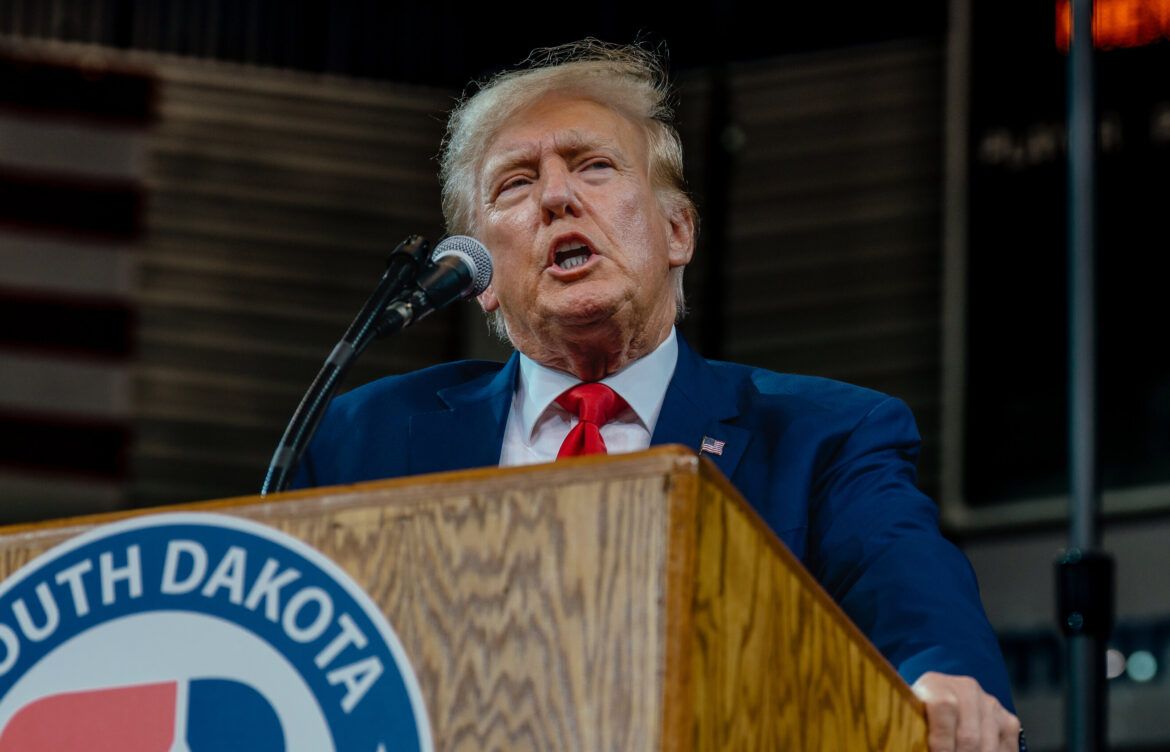
Donald Trump joined Twitter in 2009 and quickly became one of the platform’s most prominent voices. By the time he took office in January 2017, he had over 25 million followers. Trump leveraged Twitter to bypass conventional media channels, making direct appeals to his supporters and communicating policy positions in real time. His tweets ranged from announcements to personal opinions, and often featured bold statements or attacks on political adversaries. Much of his campaign strategy revolved around his formidable presence on Twitter, where he set the agenda and often dictated political narratives.
Impact on Politics and Public Opinion
Trump’s use of Twitter created a new model for political communication, where immediacy and emotional impact often took precedence over traditional rhetoric. His posts frequently sparked national debates and influenced public opinion, to the extent that a single tweet could lead to significant media coverage and political ramifications. Political analysts have noted how Trump’s tweets mobilized his base and contributed to the polarization of American politics.
Regulation and the Aftermath
Following the events of January 6, 2021, Twitter permanently banned Trump from the platform, citing the risk of further incitement of violence. This decision led to broader discussions about content moderation, free speech, and the responsibilities of social media platforms. In response to these concerns, some lawmakers and industry regulators have called for more stringent controls on platform governance, indicating a potential shift in how social media operates in the political sphere.
Conclusion
Despite Trump’s ban from Twitter, his influence on the platform and the political landscape remains a significant topic of discussion. As future political figures emerge, they will likely continue to navigate the complexities of digital communication shaped by Trump’s legacy. The implications of Trump Twitter extend beyond politics, inviting an examination of how social media can be wielded as a tool for influence, activism, and community building in an increasingly digital world. Observers predict that as social media evolves, the lessons learned from Trump’s engagement will continue to shape political strategies for years to come.