The Impact of Recent Snowstorm Events Across the U.S.
Introduction
In recent weeks, the northeastern United States has been gripped by a series of severe snowstorms, causing widespread disruption and drawing attention to the growing intensity of winter weather patterns linked to climate change. These snowstorms have not only posed immediate challenges for residents, such as travel disruptions and power outages, but they have also sparked discussions about preparedness and urban planning in a warming climate.
Details of the Recent Snowstorms
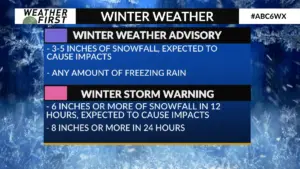
The most recent significant snowstorm struck on March 14, 2023, bringing over a foot of snowfall to parts of New York, Massachusetts, and Maine. Meteorological reports indicated heavy snowfall rates of 2 to 4 inches per hour at the peak of the storm, prompting the National Weather Service to issue blizzard warnings across several states. More than 500,000 households faced power outages due to downed lines, and local authorities struggled to keep roads clear, resulting in hundreds of accidents.
Emergency response teams were deployed in many areas, prioritizing the opening of major roadways and assisting stranded motorists. In urban centers like Boston and New York City, snow removal efforts were intensified, although some residents reported delays in services due to the volume of snow and ongoing adverse conditions.
Looking Forward
As climate scientists continue to study the impact of climate change on weather patterns, experts caution that such intense snowstorms could become more frequent. As per a report from the National Oceanic and Atmospheric Administration (NOAA), increased warming can lead to more moisture in the atmosphere, which is likely to translate into heavier snowfall during winter months.
Municipalities are now reevaluating their winter preparedness plans, considering investing in improved snow management equipment and exploring new technologies for monitoring weather conditions. Community leaders emphasize the importance of clear communication strategies to ensure residents are informed about storm preparedness, emergency services availability, and safety protocols during harsh weather.
Conclusion
In conclusion, the recent snowstorm events serve as a critical reminder of the vulnerabilities faced by regions impacted by harsh winter weather. With forecasts predicting continued patterns of extreme weather, it is vital for communities to invest in infrastructure and preparedness initiatives. Continued public awareness and proactive measures can mitigate impacts and enhance resilience in the face of future snowstorms.