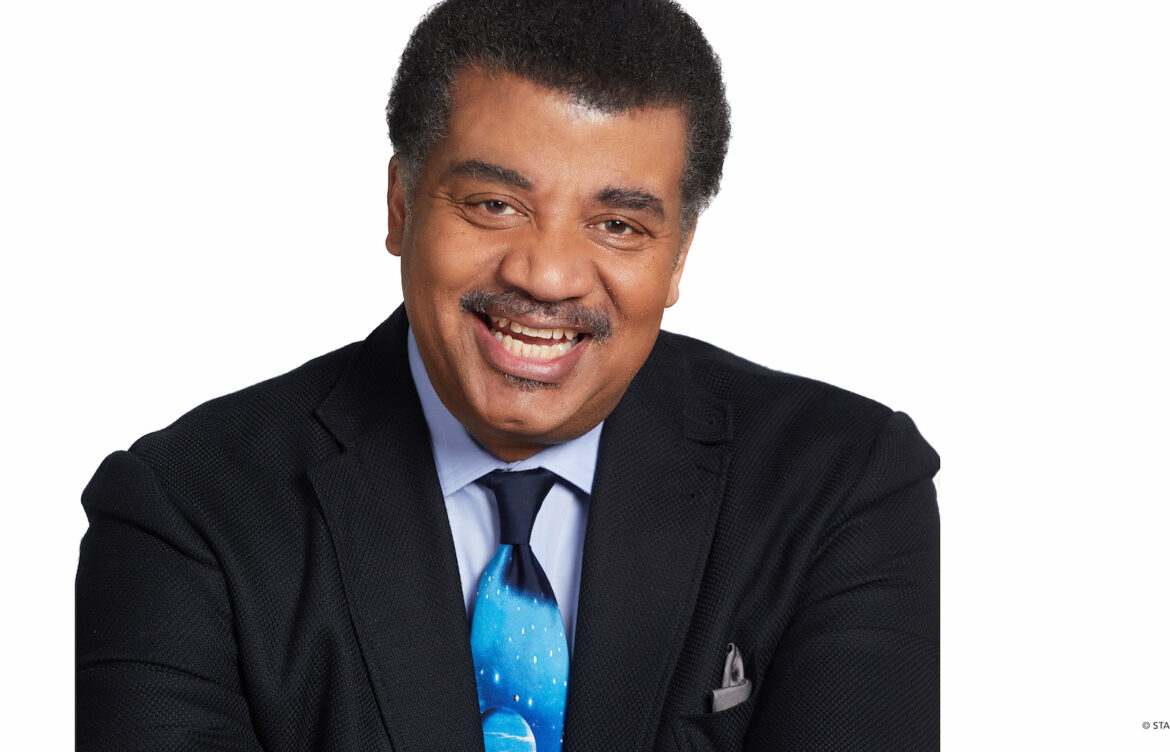
The Impact of Neil Degrasse Tyson on Science and Society
Introduction
Neil Degrasse Tyson, an American astrophysicist, author, and science communicator, has become a pivotal figure in popularizing science in contemporary society. His ability to engage audiences with complex scientific topics has made him a trusted voice in the realms of astronomy and education. In an age where scientific literacy is increasingly vital, Tyson’s work has significant implications for society, inspiring the next generation of scientists while fostering public interest in the universe.
Main Contributions
Tyson was born on October 5, 1958, in New York City and developed an early fascination with the stars. After earning his Ph.D. in astrophysics from Columbia University, he became known for his work at the American Museum of Natural History. Tyson’s rise to prominence began with his frequent appearances on television programs, including “The Daily Show” and his role as host of the acclaimed reboot of “Cosmos: A Spacetime Odyssey” in 2014. This series reached millions worldwide, combining stunning visuals with clear storytelling to explain complex astronomical concepts.
In addition to his television work, Tyson is also a prolific author, having written several bestsellers such as “Astrophysics for People in a Hurry” and “Letters from an Astrophysicist.” His books have made science accessible to a broad audience, utilizing humor and relatable analogies to explore the mysteries of the cosmos. Tyson’s popular podcast, “StarTalk,” further bridges the gap between science and popular culture, featuring discussions with comedians, actors, and scientists.
Public Engagement and Advocacy
Tyson actively advocates for scientific education and critical thinking. He often speaks at schools, universities, and public events, emphasizing the importance of understanding the scientific method and promoting STEM (Science, Technology, Engineering, and Mathematics) education among students. Given his engaging public persona, he has been a crucial advocate for diversity in the sciences, often discussing the need for inclusivity within scientific fields.
Conclusion
Neil Degrasse Tyson’s contributions extend beyond his scientific achievements; he has transformed how science is communicated to the public. His efforts inspire curiosity and underscore the relevance of science in everyday life, urging us to question, explore, and understand the universe. As he continues to engage audiences through various platforms, Tyson’s influence on science communication will likely shape the future of public perception of science, fostering a society that values inquiry and innovation.