The Impact of Jackie Robinson on Baseball and Society
Introduction
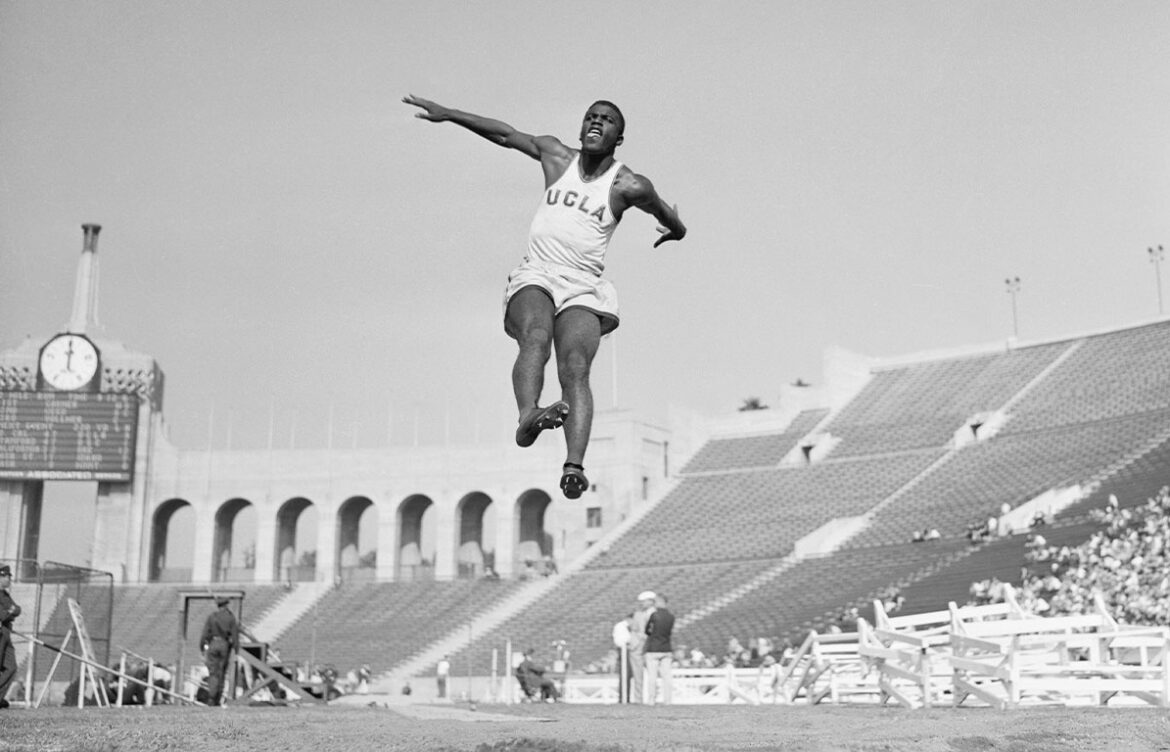
Jackie Robinson is a name that resonates deeply in the world of sports and beyond. As the first African American to play in Major League Baseball (MLB) in the modern era, Robinson’s contributions extended far beyond the baseball diamond. His career marked a significant turning point in the fight for civil rights in the United States, symbolizing progress and change during a tumultuous period in American history.
The Breakthrough
Born on January 31, 1919, in Cairo, Georgia, Jackie Robinson faced the pervasive racism of the early 20th century that challenged his path to athletic greatness. In 1947, Jackie made history when he debuted with the Brooklyn Dodgers, becoming the first Black player in the MLB since the ban on Black players in 1889. His arrival challenged the status quo and set the stage for the integration of baseball.
Robinson faced incredible challenges during his career, including threats and hostility from fans and players alike. Despite this, he excelled on the field, earning the Rookie of the Year award in 1947, a spot in the All-Star team six times, and the National League MVP award in 1949. His remarkable talent and resilience laid the groundwork for future generations of athletes, inspiring not just Black players but all athletes to overcome adversity.
Legacy and Recognition
Jackie Robinson’s impact transcended sports. He became an outspoken activist, using his platform to advocate for civil rights. Following his retirement in 1956, he continued to work towards equality in various arenas. In 1962, Robinson was inducted into the Baseball Hall of Fame, a testament to his outstanding contributions to the sport.
Today, April 15 is celebrated as Jackie Robinson Day in MLB, where every player wears his iconic number 42 in honor of his legacy. This practice serves as a reminder of the struggles faced by athletes of color and the ongoing fight for equality in sports and society.
Conclusion
Jackie Robinson’s story is a powerful reminder of the intersection between sports, culture, and social change. His accomplishments not only broke barriers in baseball but also laid the groundwork for subsequent movements toward racial equality. As the world continues to grapple with issues related to race and justice, Robinson’s legacy remains a beacon of hope and progress. The significance of Jackie Robinson endures, urging us all to reflect on the values of courage, determination, and equality.