The Greenland Trump Acquisition Controversy: An Overview
Introduction
The topic of Greenland and its association with former President Donald Trump remains relevant as discussions about territorial acquisition and international diplomacy continue. In 2019, Trump showed interest in purchasing Greenland, a move that sparked discussions about U.S. foreign policy and relationships with Denmark and neighboring countries. This instance serves as a lens through which we can examine broader geopolitical strategies and historic aspirations for land acquisition.
Background on Greenland’s Strategic Importance
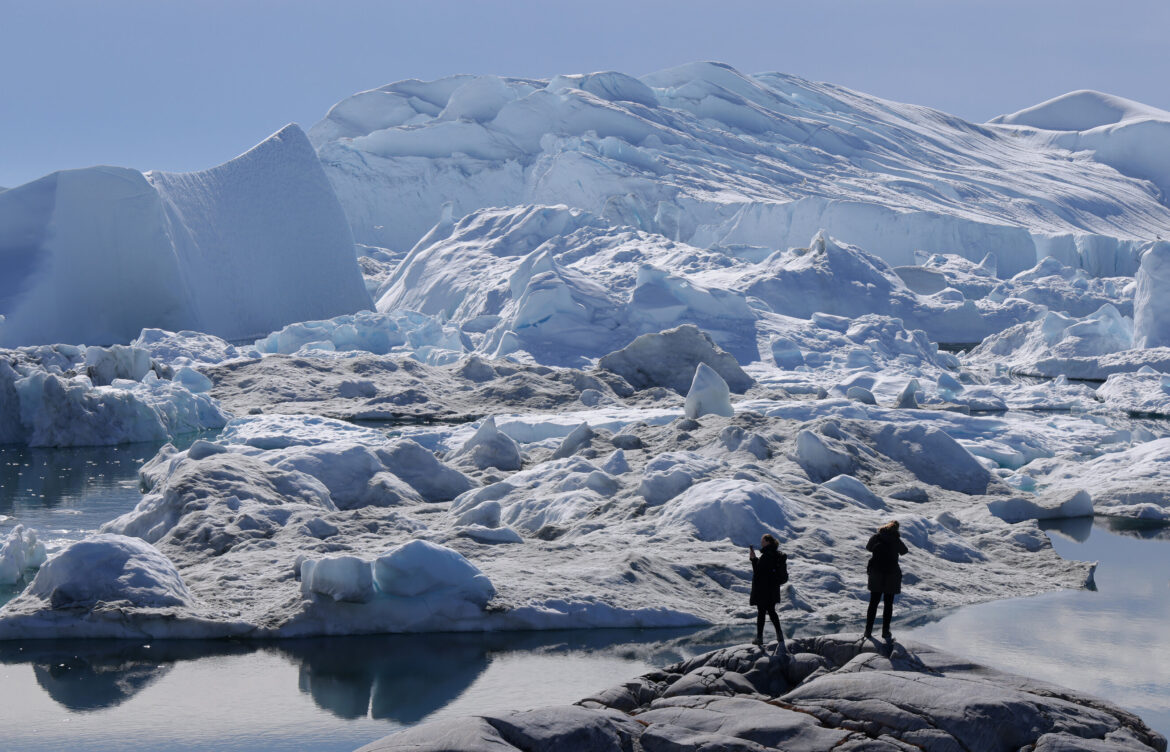
Greenland, the world’s largest island, is strategically located in the North Atlantic and possesses vast natural resources, including minerals, oil, and gas reserves. Due to climate change, the melting ice is also opening new shipping lanes and fishing grounds, making it a focal point of interest for several countries. Trump’s interest in the territory was seen as an extension of America’s long-standing pursuit for strategic advantages in global politics.
Trump’s Proposal and International Reaction
In August 2019, President Trump expressed interest in purchasing Greenland, which is an autonomous territory of Denmark. This proposal was met with widespread backlash. Danish Prime Minister Mette Frederiksen called the idea ‘absurd,’ firmly stating that Greenland is not for sale. The controversy raised questions about international diplomacy and national pride, with many interpreting Trump’s approach as a throwback to colonial attitudes.’
The Impact on U.S.-Denmark Relations
Following the incident, the relationship between the United States and Denmark underwent scrutiny. While the two nations share a robust history and alliance—particularly as NATO partners—this incident momentarily strained ties. The U.S. subsequently emphasized its strategic interests in the Arctic, reflecting concerns over China’s expanding presence in the region. The Pentagon has since acknowledged the importance of Arctic readiness and cooperation with Denmark in addressing issues related to climate change and security.
Conclusion
The Greenland Trump acquisition proposal was not just a momentary news cycle spectacle, but rather a reflection of ongoing geopolitical interests and strategies in the Arctic. As global warming alters landscape and seaways in the region, the significance of Greenland is likely to increase, impacting U.S. foreign policy. Moving forward, readers should consider how territorial interest shapes international relations and could influence future negotiations involving Arctic nations. The need for collaboration in this delicate region may offer a silver lining in the complex relationship between the U.S. and Denmark.