The Evolving Situation in Rojava: A Nexus of Change
Introduction
Rojava, a region in northern Syria, has emerged as a focal point of political and social change in the Middle East, particularly amidst the ongoing Syrian civil war. Known for its unique governance model based on democratic confederalism, Rojava has attracted global attention for its efforts in establishing a pluralistic society. Understanding the current state of Rojava is crucial as it not only impacts the local population but also has wide-ranging implications for regional stability and international relations.
The Governance of Rojava
Established in the midst of the Syrian conflict, Rojava operates under a system that emphasizes local governance and gender equality. The Autonomous Administration of North and East Syria (AANES), which governs Rojava, has implemented policies targeting the participation of women and ethnic minorities in governance—a rarity in the wider region. Such efforts have led to increased autonomy from the Syrian government and neighboring powers.
Current Events and Challenges
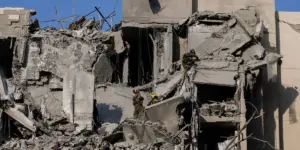
Recent developments in Rojava reflect both opportunities and challenges. In the past few months, Rojava has experienced increased tensions due to Turkish military operations in the region, aimed at curbing the influence of Kurdish groups that Turkey designates as terrorist organizations. Following Turkey’s military operations, local forces have been forced to reassess their alliances, especially concerning diplomatic relationships with the United States and other Western nations. On the ground, the impact of ongoing clashes has led to humanitarian concerns, including the displacement of civilians and challenges in providing essential services.
International Attention and Future Prospects
The geopolitical significance of Rojava has attracted the interest of various international actors, including humanitarian organizations and advocacy groups. The international community remains divided on how to engage with Rojava, with some supporting its vision of democratic governance, while others express concerns over its connections to broader Kurdish movements in the region.
Conclusion
The situation in Rojava is emblematic of the complexities of the Syrian conflict and the quest for autonomy among Kurdish populations. As external pressures mount and internal dynamics evolve, Rojava stands at a critical crossroads. The ability of local leaders to navigate these challenges while maintaining their unique political model will have significant repercussions not only for the people of Rojava but for the entire Middle East. The ongoing developments require close monitoring, as they could very well shape future policies and alliances in a rapidly changing geopolitical landscape.