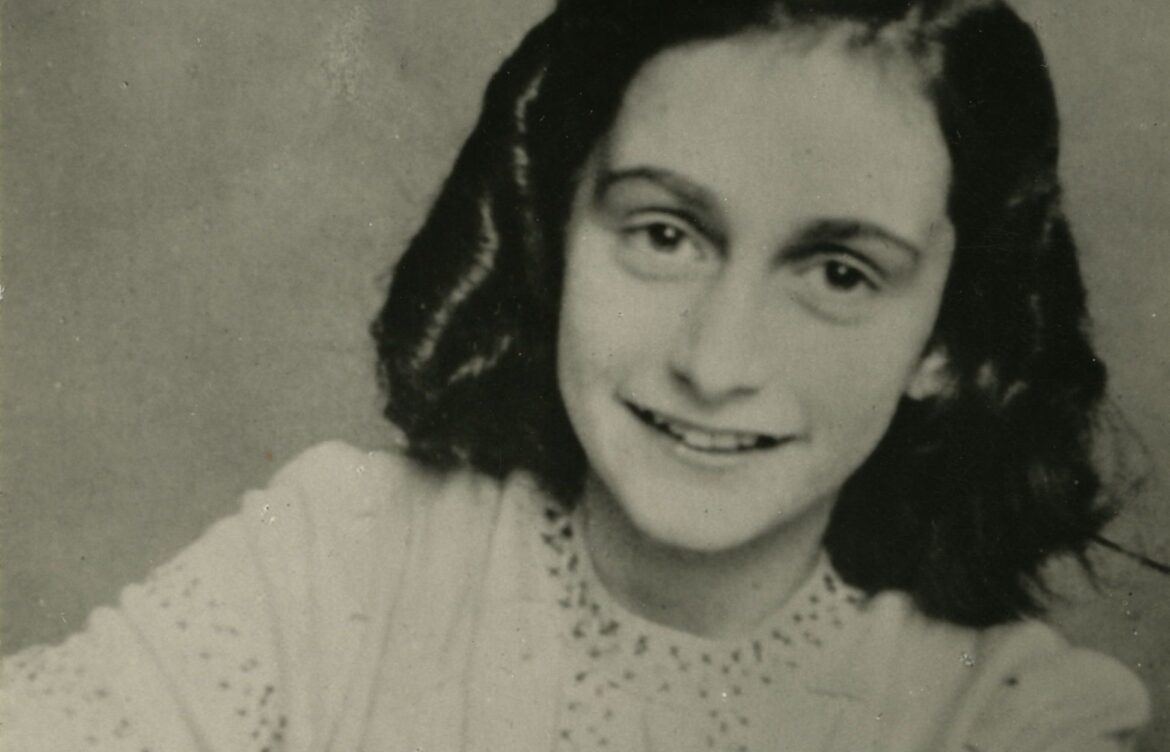
The Enduring Legacy of Anne Frank
Introduction
Anne Frank, a Jewish teenager who became one of the most iconic figures of the Holocaust, continues to resonate with audiences around the globe more than seven decades after her tragic death. Her poignant diary offers a glimpse into the life of a young girl caught in the turmoil of World War II, transforming her into a symbol of hope and resilience against the atrocities of war and discrimination.
On the Life of Anne Frank
Anne Frank was born on June 12, 1929, in Frankfurt, Germany. In 1933, her family fled to Amsterdam to escape the rising tide of anti-Semitism. As the Nazi occupation of the Netherlands began, the Frank family went into hiding in July 1942. They, along with several others, spent over two years in a secret annex behind her father’s business until they were discovered in August 1944.
During her time in hiding, Anne chronicled her experiences in her diary, which she received as a gift on her 13th birthday. Her writings reflect her thoughts, fears, and aspirations, showcasing her remarkable spirit despite the grim circumstances. The diary was later published by her father, Otto Frank, the only member of the family to survive the Holocaust, under the title “The Diary of a Young Girl.” The book has since been translated into more than 70 languages and remains a crucial educational tool in discussing the impacts of hatred, prejudice, and war.
Recent Developments and Commemoration
This year marks the 75th anniversary of the publication of Anne’s diary. In recognition, various educational and cultural institutions have organized events to honor her memory, including exhibitions and discussions emphasizing the lessons gleaned from her experiences. In July 2023, the Anne Frank House in Amsterdam opened a new permanent exhibition titled “In the Footsteps of Anne Frank,” which explores her life, her writing, and the legacy she left behind.
Conclusion
Anne Frank’s story serves as a poignant reminder of the human capacity for resilience and the necessity of standing against injustice. Her diary not only provides a personal perspective of historical events but also serves as a beacon of hope for future generations. As we reflect on her life, we are reminded of the importance of tolerance and the need to combat hatred in all its forms. The lessons we learn from her story continue to unfold, emphasizing its significance in contemporary society, reinforcing that the valuable insights from Anne Frank’s life and words endure in our collective memory and responsibility to promote human rights.