Shinzo Abe: A Look at His Life and Political Legacy
Introduction
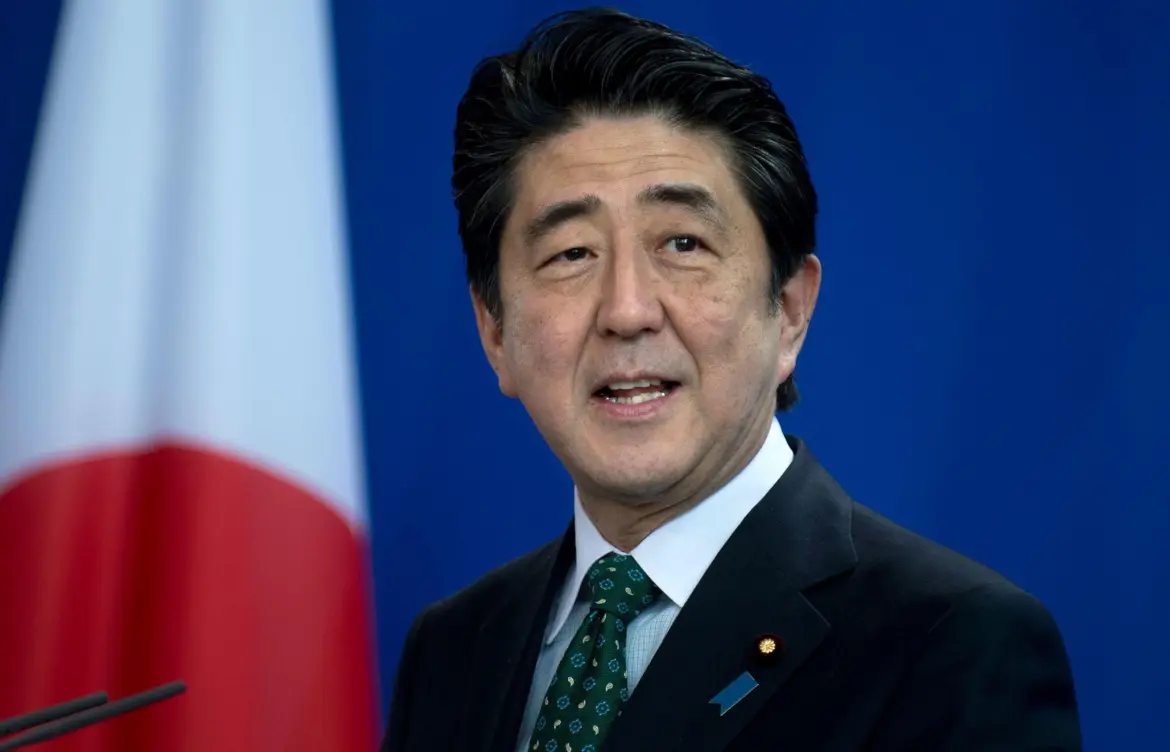
Shinzo Abe, who served as Japan’s Prime Minister in two nonconsecutive terms, is a pivotal figure in modern Japanese politics. His leadership has reshaped Japan’s domestic policies and foreign relations. Abe’s approach towards economic revival, defense policies, and diplomatic relationships greatly impacted Japan’s role on the global stage. Understanding his legacy is crucial as Japan navigates current geopolitical challenges.
Abe’s Political Journey
Shinzo Abe first assumed office in 2006 at the tender age of 52. His initial term was marred by scandals and economic stagnation, prompting his resignation in 2007. However, he returned in 2012, ushering in a highly influential era termed ‘Abenomics.’ This trio of policies aimed to stimulate Japan’s economy through monetary easing, fiscal stimulus, and structural reforms.
Key Policies and Achievements
Abenomics aimed to combat decades of deflation and stagnant growth. His administration saw significant monetary policy shifts led by the Bank of Japan. Abe also emphasized infrastructure improvement and tourism, resulting in a notable increase in foreign visitors. His commitment to increasing Japan’s defense capabilities redefined post-World War II military restrictions, which had previously limited Japan’s self-defense forces.
Foreign Relations and Diplomacy
On the international stage, Abe sought to strengthen Japan’s alliance with the United States while fostering closer ties with India and Australia. However, his administration faced tensions with neighboring countries like China and South Korea over historical grievances and territorial disputes. His efforts to enhance Japan’s global standing were met with mixed responses, indicating the complex landscape of Asian geopolitics.
Conclusion
Shinzo Abe was a transformative figure for Japan, leaving behind a mixed legacy characterized by both significant achievements and controversies. His ambitious policies and diplomatic maneuvers have shaped Japan into a more proactive nation in international affairs, though not without criticism and challenges. As Japan faces new challenges in the wake of his death in July 2022, understanding Abe’s contributions remains vital for comprehending the current political climate and future directions in Japanese governance.