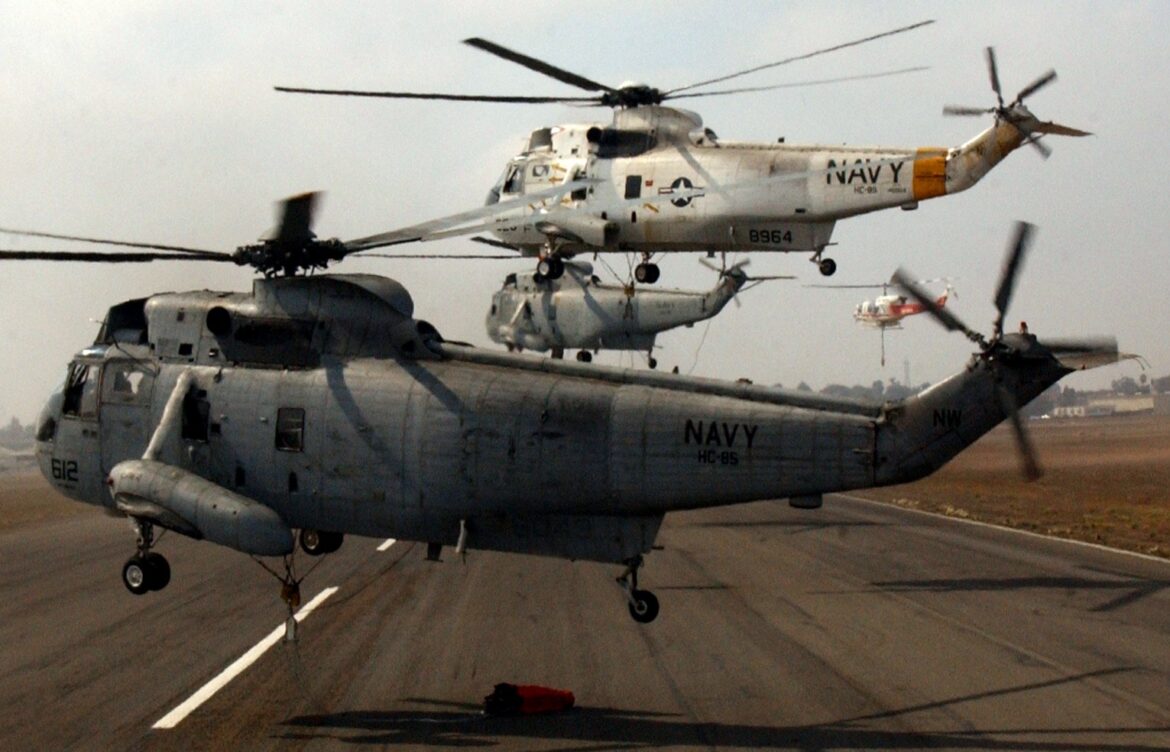
Recent Developments in Helicopter Technology
Introduction
Helicopters play a critical role in various fields, including transportation, emergency services, and military operations. Due to their vertical takeoff and landing capabilities, helicopters offer unmatched versatility, making them essential for both commercial and private use. With rapid advancements in technology, the helicopter industry is seeing significant innovations that enhance safety, efficiency, and functionality.
Current Trends and Advancements
Recent developments in helicopter design have focused heavily on fuel efficiency and environmental impact. With rising concerns over climate change, manufacturers are investing in electric and hybrid models. For instance, the Bell 525 has garnered attention for its advanced avionics and reduced noise footprint, marking a step towards more sustainable aviation.
In the realm of emergency services, helicopters have demonstrated unparalleled capabilities in search and rescue missions, as well as medical evacuations. The COVID-19 pandemic further emphasized the importance of helicopter emergency medical services (HEMS). A report by the Association of Air Medical Services highlighted an increase in missions due to medical needs during the pandemic, thus showcasing the vital role helicopters play in saving lives.
Technological Innovations
The latest innovations include the integration of autopilot systems and advanced navigation tools like satellite-based guidance systems. This technology is improving the safety of helicopter flights by reducing pilot workload and increasing operational efficiency. For example, the Sikorsky S-92 has incorporated automatic flight control systems that enhance situational awareness and flight stability.
Moreover, the use of drones is also expanding in the helicopter sector. While traditional helicopters remain crucial for heavy lifting and manned missions, drones are being increasingly utilized for tasks such as aerial surveys and infrastructure inspections due to their cost-effectiveness and ease of deployment.
Conclusion
Looking ahead, the helicopter industry is poised for continued growth driven by technological advancements, a push for sustainability, and evolving demands in emergency services and commercial operations. As new technologies emerge and regulatory standards evolve, the way helicopters are used may transform significantly. This evolution holds promise for improving not only operational efficiencies but also for enhancing the role of helicopters in everyday life. For consumers and industry professionals alike, staying informed about these trends is crucial as they have substantial implications for safety, costs, and environmental sustainability.