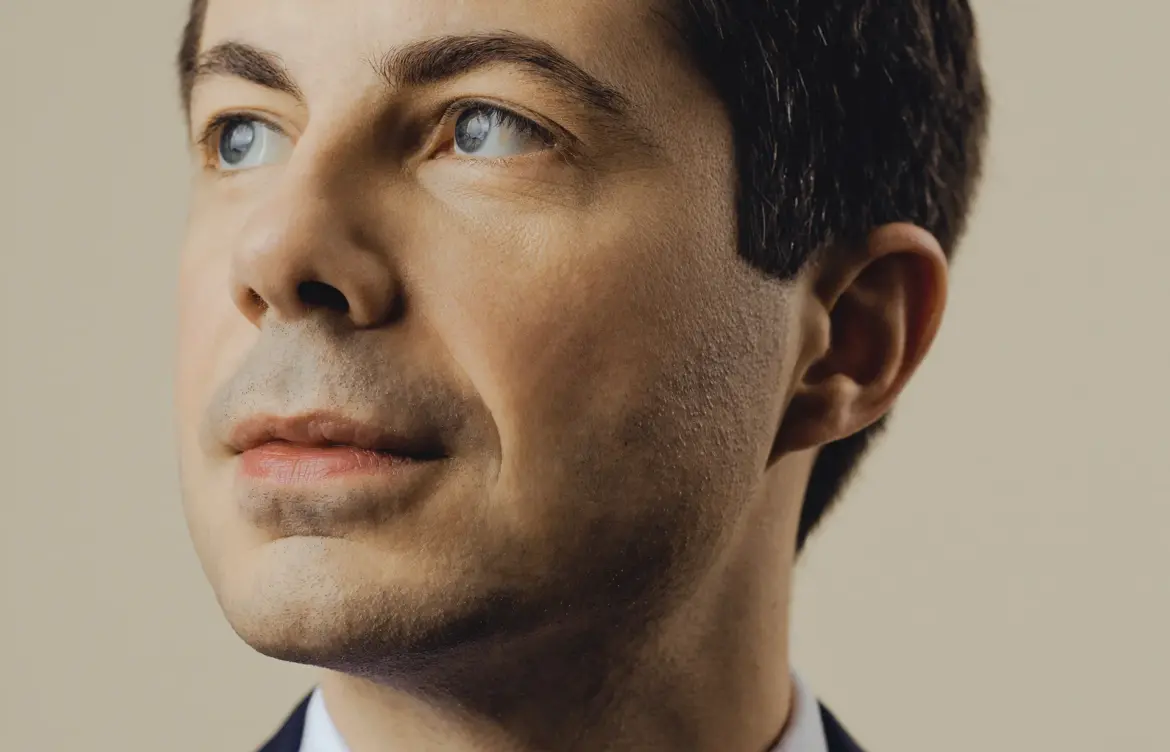
Pete Buttigieg: A Rising Star in American Politics
Introduction
Pete Buttigieg, the U.S. Secretary of Transportation and former mayor of South Bend, Indiana, has become a significant figure in American politics. His rise to prominence began during the 2020 Democratic presidential primaries, where he captured national attention with his progressive policies and relatable communication style. This article explores his career trajectory, key initiatives as Secretary of Transportation, and the impact of his leadership on American infrastructure.
Career Highlights
Buttigieg’s political journey began in local politics, where he served as the mayor of South Bend from 2012 to 2020. During his tenure, he focused on urban development and revitalization, addressing issues such as infrastructure improvement and economic growth. His successful initiatives in South Bend laid the groundwork for his presidential campaign, where he advocated for modernizing transportation systems and addressing climate change through sustainable practices.
Impact as Secretary of Transportation
Since his appointment as Secretary of Transportation in March 2021, Buttigieg has spearheaded significant legislative achievements, particularly with the Bipartisan Infrastructure Law, which aims to invest billions in updating the nation’s roads, bridges, and public transit systems. The law, which was passed in late 2021, is expected to create millions of jobs and improve the efficiency and safety of transportation across the United States. In addition, Buttigieg has been vocal about the need for equitable transportation solutions that address the needs of underrepresented communities.
Challenges and Controversies
Despite his achievements, Buttigieg has faced challenges during his time in office, including criticism over the slow recovery of supply chain issues that arose during the COVID-19 pandemic. Some critics have questioned his responsiveness to infrastructure problems, particularly regarding air travel disruptions and freight traffic delays. Additionally, Buttigieg’s visibility as a public figure has made him a target for political attacks, particularly from opposition parties.
Conclusion
Pete Buttigieg’s journey from a small-town mayor to a prominent cabinet member illustrates the growing presence of a new generation of leaders in American politics. His focus on infrastructure, equity, and climate change positions him as an influential figure in future discussions about transportation policy. As the Biden administration continues its work on infrastructure reform, Buttigieg’s role will likely grow in significance. His endeavors are not just reshaping the transportation landscape but also laying the groundwork for his future political aspirations. Readers should keep an eye on Buttigieg as he navigates these challenges, as his decisions may have lasting impacts on the nation’s infrastructure and political landscape.