Pakistani: Kabul: Recent Developments Involving Pakistan
How it unfolded
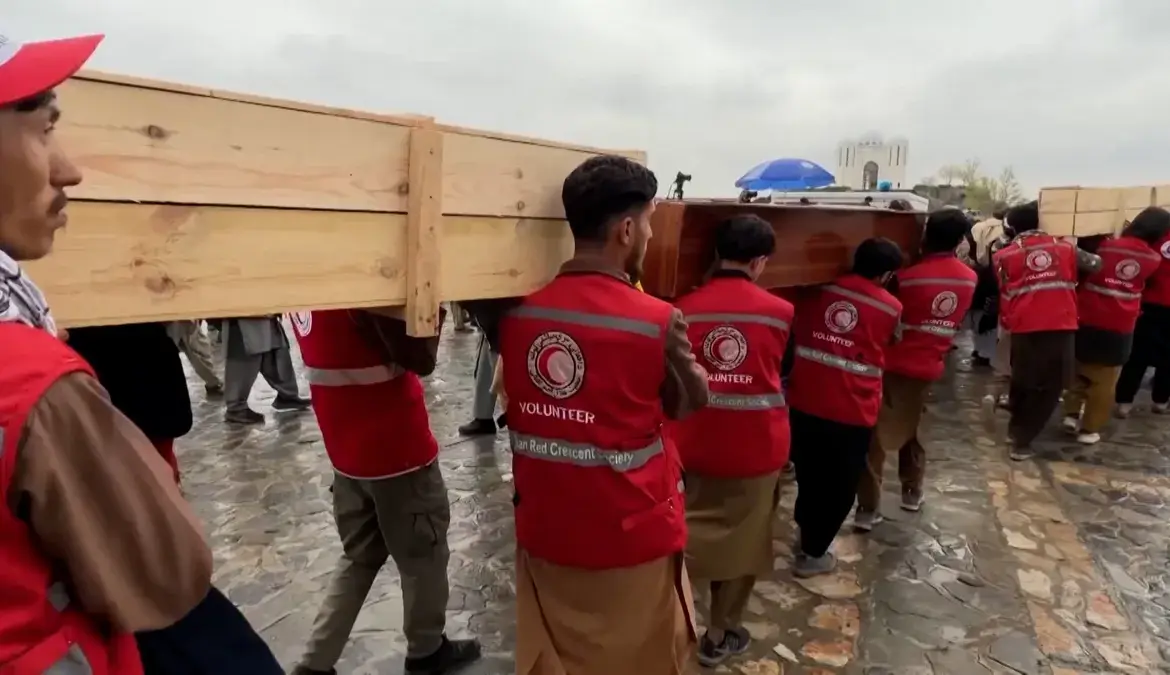
In a tragic turn of events, just before the dawn of a new day in Kabul, a devastating air strike carried out by Pakistani forces resulted in the loss of 143 lives at a drug rehabilitation centre. This incident has sent shockwaves through the community, drawing attention to the ongoing tensions between Pakistan and Afghanistan.
On the morning of the air strike, families were gathered at the centre, seeking hope and recovery. Instead, they faced an unimaginable tragedy that has left many mourning the loss of their loved ones. The air strike has not only raised questions about the safety of civilians in conflict zones but has also highlighted the complex dynamics of regional politics.
As the dust settled from the air strike, another significant event unfolded in the realm of intelligence and security. A civilian employee at an Indian Air Force station was arrested for allegedly spying for Pakistani handlers. This individual had reportedly been in contact with Pakistani intelligence operatives since 2023, raising concerns about the extent of espionage activities in the region.
The implications of these events are profound. The air strike in Kabul underscores the fragile state of peace in Afghanistan, where the scars of conflict still run deep. Meanwhile, the arrest of the Indian Air Force employee reflects the ongoing tensions between Pakistan and India, a relationship fraught with historical animosities and territorial disputes.
Pakistan’s strategic relationships with its neighbors further complicate the situation. The nation has maintained a long-standing relationship with Saudi Arabia, providing military support for decades. Currently, Pakistan’s trade volume with Saudi Arabia amounts to nearly US$5 billion, while bilateral trade with Iran stands at roughly US$3 billion. These economic ties are crucial for Pakistan, especially as it navigates the challenges posed by its geopolitical environment.
Moreover, Pakistan’s Shia population, which constitutes roughly 20 percent of the country, plays a significant role in its domestic and foreign policy. The government has negotiated with Iran to ensure safe passage for fuel shipments through the Strait of Hormuz, reflecting the importance of energy security in the region.
As of now, the situation remains tense. The aftermath of the air strike has left many in Kabul grappling with grief and uncertainty, while the implications of espionage activities continue to unfold. Details remain unconfirmed regarding the broader impact of these events on diplomatic relations in the region.
This sequence of events matters significantly for those involved. For the families affected by the air strike, it is a heartbreaking reminder of the ongoing violence in their lives. For the governments of Pakistan and India, it highlights the need for dialogue and understanding amidst a backdrop of mistrust. As the community in Kabul seeks to heal, the international community watches closely, hoping for a path toward peace and stability in the region.