Overview of the Stellantis Takata Airbag Recall
Introduction
The recent Stellantis Takata airbag recall has brought renewed attention to the ongoing safety concerns surrounding faulty airbag inflators that have been linked to multiple fatalities and injuries over the years. The recall affects millions of vehicles worldwide, underscoring the importance of vehicle safety and consumer awareness in the automotive industry.
Details of the Recall
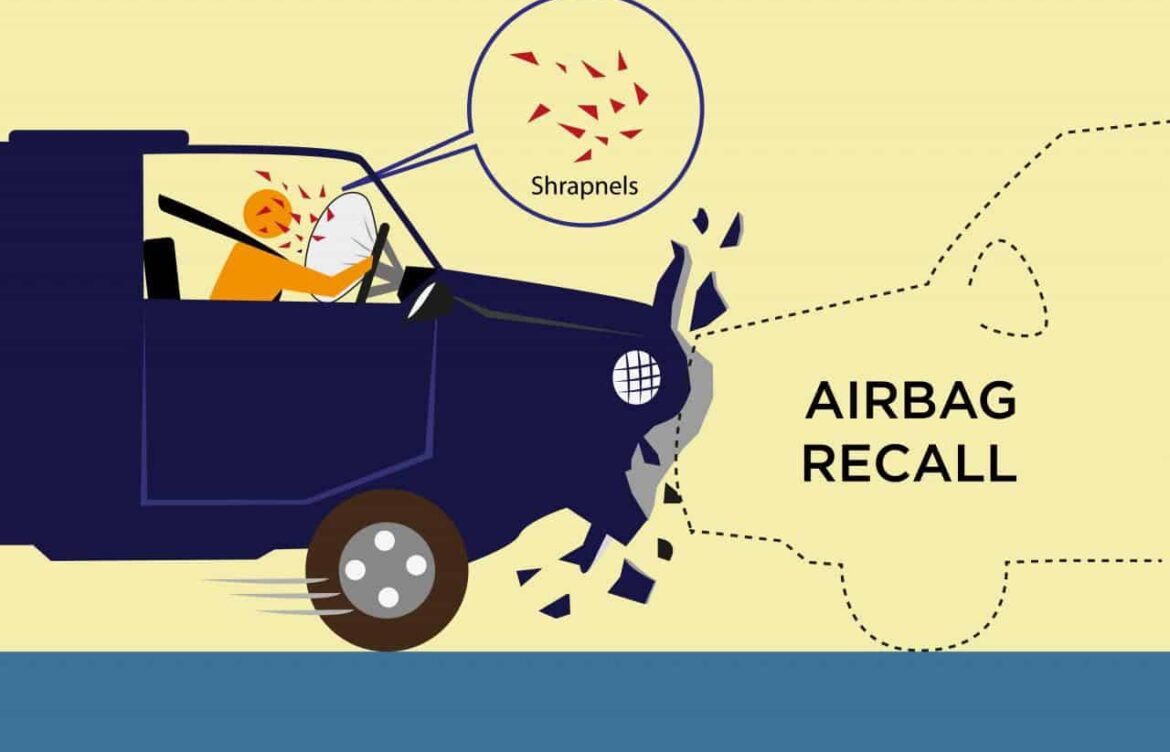
In October 2023, Stellantis announced a significant recall involving more than 400,000 vehicles due to defective Takata airbags. This follows a long history of recalls since the Takata airbag crisis first emerged in 2013. The defective airbags can deploy with excessive force, posing a risk of metal shrapnel to passengers and drivers.
The affected models include several popular brands, such as Chrysler, Dodge, Jeep, and Ram trucks, manufactured between 2002 to 2016. Specifically, the recall targets vehicles equipped with front passenger airbag inflators that may be susceptible to rupture, which has been linked to at least 30 deaths and hundreds of injuries worldwide.
Response and Mitigation
In response to this crisis, Stellantis has implemented an aggressive outreach program to notify owners of the affected vehicles. The company is providing free inspections and repairs to replace the faulty inflators. Owners are encouraged to contact their local dealerships to schedule service and ensure their vehicles are safe to drive.
Regulatory bodies, including the National Highway Traffic Safety Administration (NHTSA), are closely monitoring the situation, emphasizing the importance of compliance with recall notices and encouraging consumers to remain vigilant regarding their vehicle safety. The NHTSA has also released online tools for vehicle owners to check if their car is affected by the recall.
Conclusion
The Stellantis Takata airbag recall serves as a critical reminder of the importance of vigilance regarding vehicle safety recalls and the accountability of auto manufacturers to address safety defects. While Stellantis is taking steps to rectify the situation, it is imperative that vehicle owners act promptly to respond to recall notifications. Consumers should remain proactive in understanding their vehicle’s safety status, as this could ultimately mean the difference between life and death. The long-term implications of such recalls emphasize the ongoing need for robust safety regulations and rigorous oversight in the automotive industry.