North Korea Elections: A Historic Vote in 2026
How it unfolded
As the sun rose on March 15, 2026, North Korea prepared for a significant day in its political history. The country was gearing up for its parliamentary elections, a routine event that has been tightly controlled by the ruling Workers’ Party of Korea. This year, however, the atmosphere felt different, as the nation was poised to witness the first acknowledgment of dissenting votes since 1957.
Voter turnout was reported at an astonishing 99.99%, a figure that reflects the regime’s emphasis on participation, even as the choices presented to voters were limited. The candidates for the Supreme People’s Assembly, which consists of 687 representatives, were pre-selected by the ruling party, leaving citizens with little more than a binary choice. Despite this, the elections were marked by a notable development: 0.07% of voters chose to reject the official candidates.
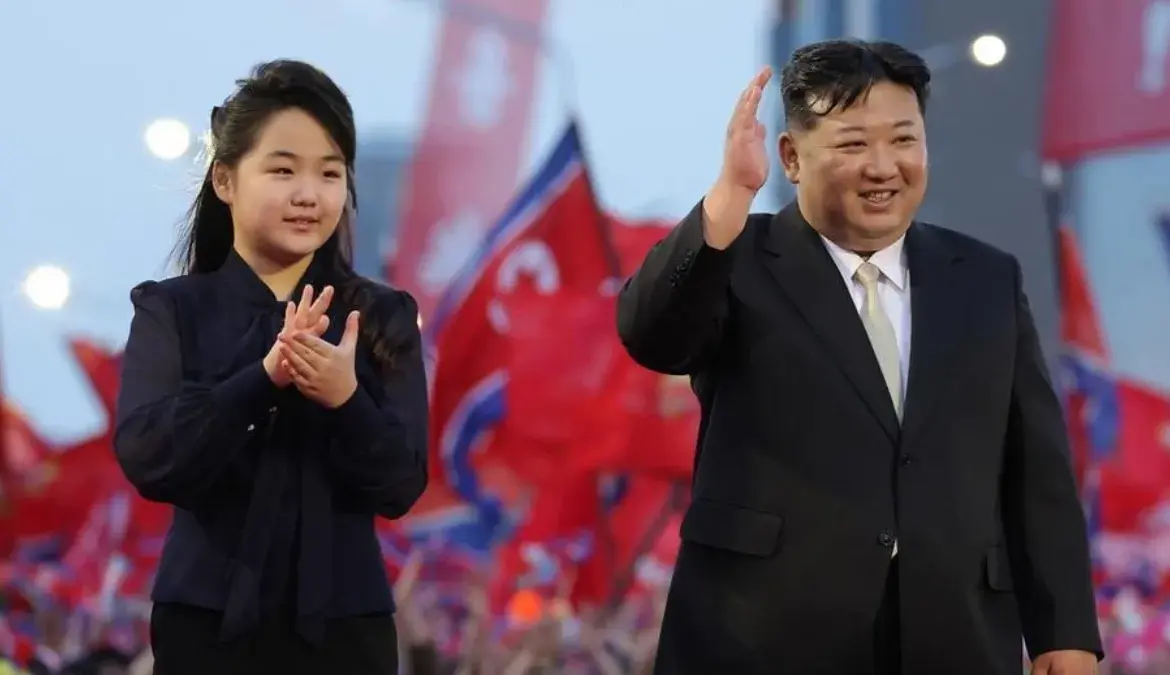
Kim Jong Un, who has been in power since 2011 following the death of his father, Kim Jong Il, scored an overwhelming 99.93% of the votes. This result, while expected in a tightly controlled electoral environment, nonetheless highlighted a shift in the political landscape. The acknowledgment of dissenting votes, albeit minimal, suggests a potential opening for dialogue within the rigid framework of North Korean politics.
In the lead-up to the elections, the atmosphere was charged with anticipation. Citizens were encouraged to participate, and the government made efforts to ensure that the voting process was seen as a civic duty. However, the reality of the electoral process remained unchanged, with candidates chosen by the Workers’ Party, leaving little room for genuine competition.
Interestingly, only 0.0037% of registered voters were unable to cast their ballots due to being abroad or at sea, while a mere 0.00003% abstained from voting altogether. These figures further underscore the regime’s insistence on participation, even if the choices were limited. The overwhelming turnout and support for Kim Jong Un reflect the regime’s ability to mobilize the population, but they also raise questions about the authenticity of such participation.
As the results were announced, the implications of this election began to unfold. The acknowledgment of dissenting votes, even in such a small percentage, could signal a new chapter in North Korean politics. For many citizens, this moment represents a glimmer of hope for a future where their voices might be heard, even if the path remains fraught with challenges.
Currently, North Korea stands at a crossroads. The elections have reaffirmed Kim Jong Un’s grip on power, but the slight shift in acknowledging dissent could pave the way for future political discourse. As the world watches, the significance of these elections extends beyond mere numbers; they reflect the complex dynamics of a society navigating the delicate balance between control and the desire for change.