New World Order: Escalating Tensions in the Strait of Hormuz
Key moments
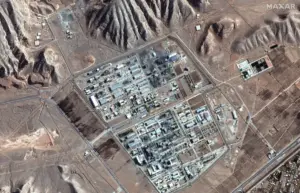
In a dramatic escalation of military tensions, Israeli fighter jets targeted South Pars, the world’s largest natural-gas field, which is shared by Iran and Qatar. This operation, part of a broader strategy by the U.S. and Israel, aims to topple the Iranian government and diminish its regional influence. The strike comes amid a backdrop of increasing hostilities, with President Trump demanding Iran’s unconditional surrender following the U.S.-Israeli strike that resulted in the death of Iran’s Supreme Leader.
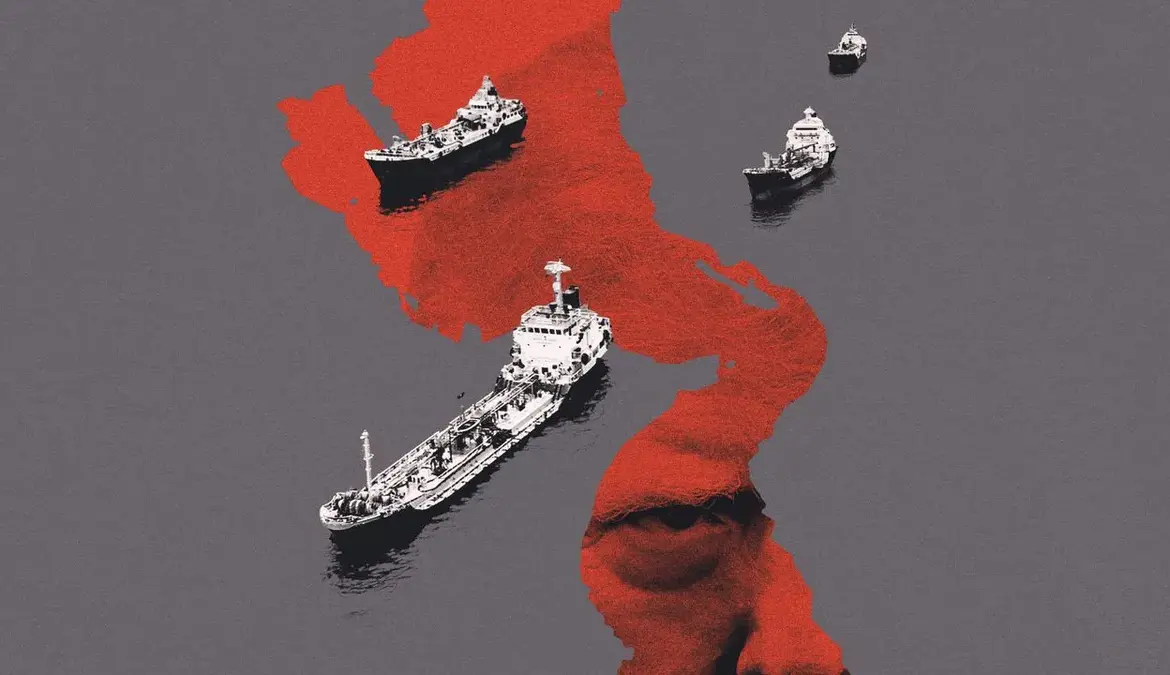
The Strait of Hormuz, a vital artery for global trade, is just 35 miles wide and through it flows a staggering one-fifth of the world’s oil and natural gas supply. The strategic importance of this waterway cannot be overstated, as it serves as a lifeline for many economies around the globe. In response to the military actions, Iran has threatened to shut down the Strait as a deterrent against further strikes, raising alarms about potential disruptions in global energy supplies.
As tensions mount, President Trump has issued a stark ultimatum to Iran, demanding that it fully open the Strait of Hormuz within 48 hours or face severe consequences, including the obliteration of its power plants. This aggressive stance reflects a continuation of Trump’s military interventions, which have been characterized as swift, decisive, and effective. The operation, dubbed “Operation Epic Fury,” has reportedly eliminated Iran’s leadership and significantly degraded its capacity to threaten the West.
Historically, the U.S. military has mapped various scenarios involving conflict with Iran, anticipating potential strategies and outcomes. This latest development is not an isolated incident but rather part of a long-standing struggle, with 47 years having passed since the 1979 revolution that has seen eight American presidents grapple with the complexities of Iranian relations. The current situation underscores the ongoing challenges faced by U.S. policymakers in navigating this fraught geopolitical landscape.
In the broader context, the concept of a new world order is being scrutinized. Chris Hedges poignantly remarked, “The new world order is one where the weak are obliterated by the strong, the rule of law does not exist, genocide is an instrument of control and barbarism is triumphant.” This perspective raises critical questions about the moral implications of military interventions and the treatment of nations deemed adversaries.
Experts like Robert Pape have noted that while Trump may seek to negotiate a deal, the political price for such a resolution continues to escalate, leaving little room for a peaceful off-ramp. The complexities of international relations are further compounded by the perception that global elites often lack empathy and compassion, leading to a ruling class that exploits the vulnerable as mere commodities.
The unfolding events in the Strait of Hormuz not only highlight the immediate military confrontations but also reflect deeper societal issues. As George Orwell warned, “There will be no curiosity, no enjoyment of the process of life,” suggesting that the consequences of such geopolitical maneuvers extend beyond mere politics, affecting the very fabric of human experience.
As the world watches these developments closely, the implications of the new world order remain uncertain. The reactions from global leaders and the international community will be crucial in shaping the next steps in this evolving narrative. Details remain unconfirmed, but the stakes have never been higher as nations grapple with the balance of power and the quest for stability in an increasingly volatile world.