NATO Faces Unprecedented Challenges Amidst Trump’s Criticism
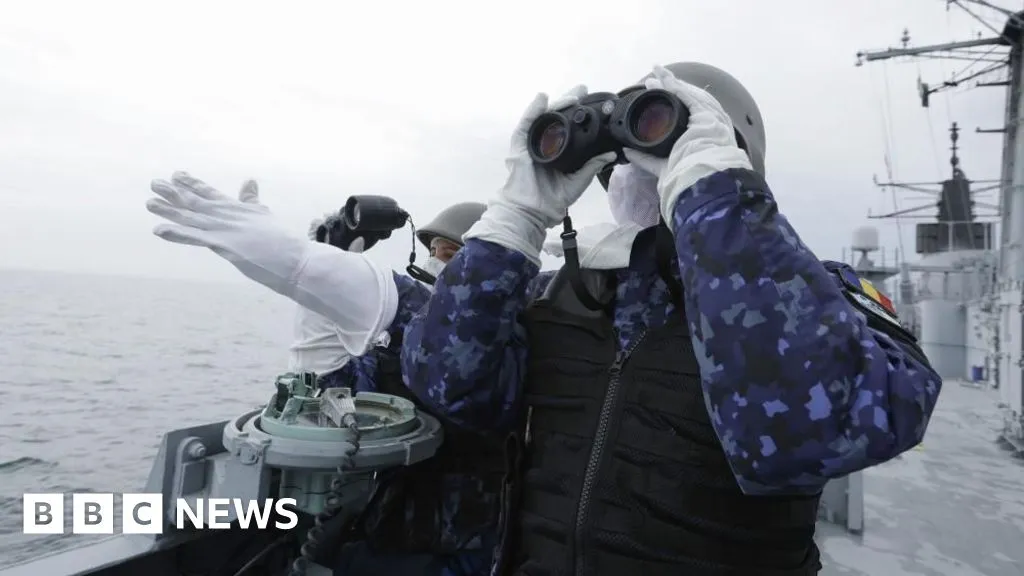
NATO, the North Atlantic Treaty Organization, has long been a cornerstone of transatlantic security. However, the alliance is now facing unprecedented challenges as former President Donald Trump has consistently criticized its effectiveness. Trump has previously referred to NATO as ‘obsolete’ and a ‘paper tiger,’ raising alarms among European allies who rely on the alliance for their defense.
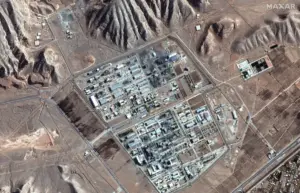
In recent developments, Trump’s tone towards NATO has grown increasingly menacing, particularly due to European allies’ refusal to support his actions in Iran. This has led to heightened anxiety among European nations about the future of their security arrangements. Secretary of State Marco Rubio has suggested that the United States should reexamine its relationship with NATO, further fueling concerns.
Former U.S. ambassador to NATO, Ivo Daalder, has stated that the current crisis is the worst NATO has ever confronted. His remarks underscore the gravity of the situation as the alliance grapples with internal divisions and external pressures.
Despite these challenges, European allies have pledged to increase their defense spending, a commitment made during NATO’s summit last year. British Prime Minister Keir Starmer emphasized the importance of NATO, stating that it has kept the UK safe for many decades. This sentiment reflects a broader recognition among European leaders of the need to strengthen their defense capabilities.
French armed forces minister Alice Rufo echoed this sentiment, highlighting the necessity of bolstering Europe’s defense within the Atlantic alliance. As NATO navigates these turbulent waters, there is a growing realization that unity and cooperation among member states are more crucial than ever.
Interestingly, Trump’s comments have also created opportunities for countries like India to emerge as potential defense partners for Europe, indicating a shift in global defense dynamics. Meanwhile, Dutch Prime Minister Mark Rutte, often referred to as the ‘Trump whisperer,’ has been working diligently to maintain relations with the former president, hoping to mitigate tensions.
As NATO continues to confront these challenges, observers are left wondering what the future holds for the alliance. The ongoing dialogue among member states will be critical in determining the path forward. While NATO faces significant hurdles, its leaders remain committed to ensuring the alliance’s strength and relevance in an evolving geopolitical landscape.
Details remain unconfirmed regarding the specific outcomes of these discussions, but the urgency for a cohesive response is palpable. The coming months will be pivotal for NATO as it seeks to navigate the complexities of international relations and maintain its foundational principles.