NASA’s Artemis II Rocket Launchpad: Key Developments Ahead of Launch
Introduction
The NASA Artemis II mission is poised to make history as it prepares for its ambitious lunar voyage, with the launchpad becoming a critical component for the success of this pivotal project. Following the Artemis I mission, which successfully showcased the capabilities of the Space Launch System (SLS) and the Orion spacecraft, respect grows for the subsequent Artemis II launchpad preparations. This mission, slated to be the first crewed flight in NASA’s Artemis program, marks a significant step toward returning humans to the Moon and paving the way for future exploration of Mars.
Current Status of the Launchpad
The NASA launchpad, located at the Kennedy Space Center in Florida, is undergoing extensive modifications and testing to accommodate the Artemis II mission. Engineers and technicians have been diligently working to enhance the launch complex, ensuring all systems are functional and reliable. Recent reports confirm that the team is actively testing the launchpad’s fueling systems and solid rocket boosters, crucial for liftoff.
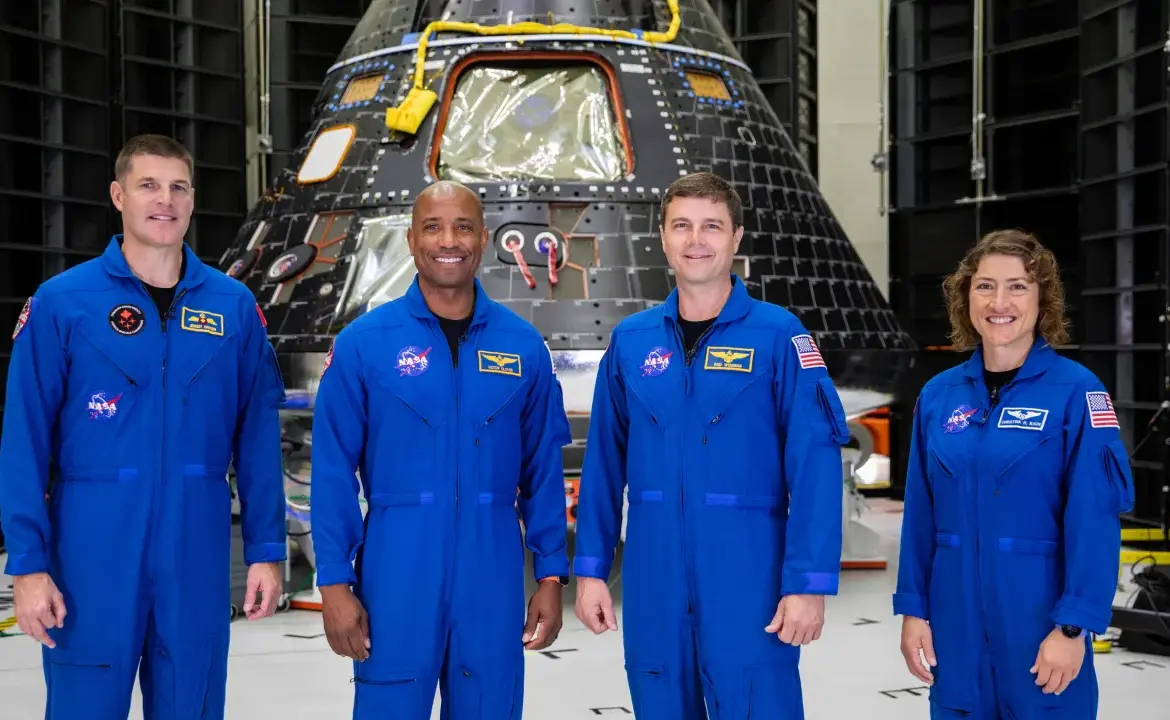
As of October 2023, NASA officials revealed that preparations are on track, with the target launch window set for November 2024. The Artemis II mission will carry a crew of four astronauts, who will embark on a lunar flyby, pushing the boundaries of human spaceflight further than recent missions.
Significance of the Mission
The Artemis II launchpad serves not only as a physical site but also as a symbol of international collaboration and space exploration ambitions. The mission is set to demonstrate NASA’s ability to transport astronauts beyond low Earth orbit while also strengthening partnerships with commercial spaceflight companies and international space agencies. The Artemis program aims to establish a sustainable human presence on the Moon by the end of the decade, which is essential for future crewed missions to Mars.
Conclusion
The countdown to the Artemis II mission is underway, with the launchpad at Kennedy Space Center playing a vital role in this historic journey. As work continues, the success of this mission is expected to inspire a new generation of scientists, engineers, and explorers. With the planned 2024 launch on the horizon, the significance of this project reverberates not only within the United States but across the globe, showcasing humanity’s enduring quest to explore the unknown. Observers can anticipate further updates as NASA approaches this landmark moment in space exploration.