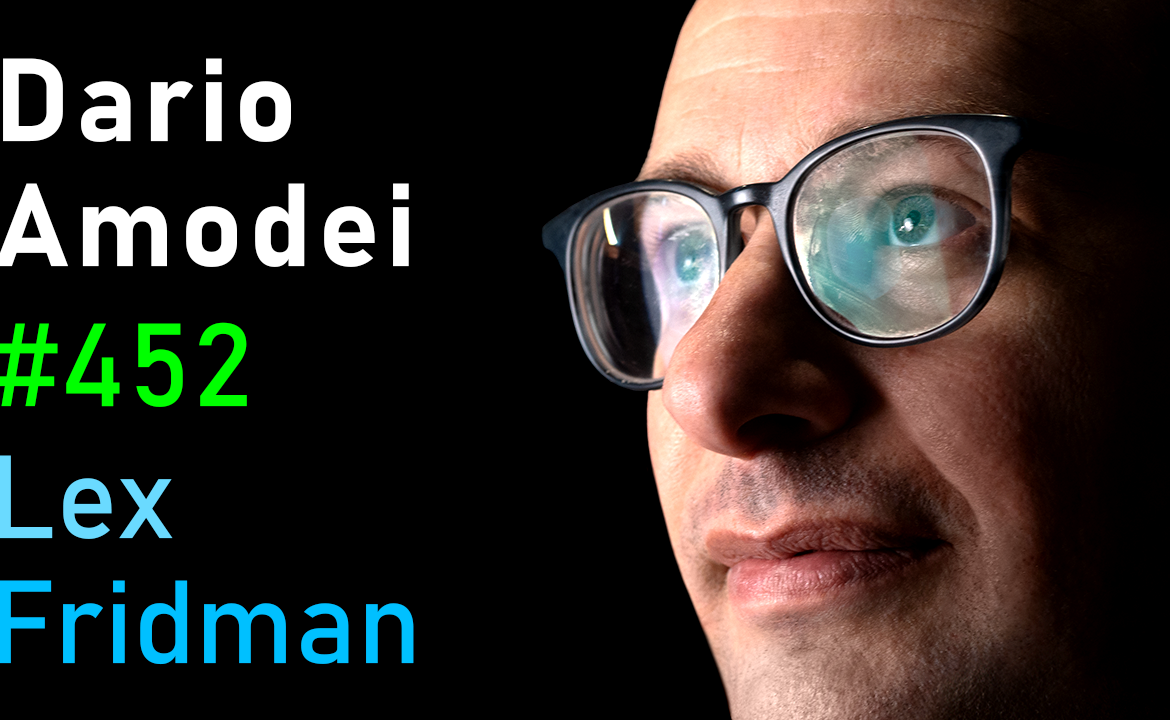
Dario Amodei: Pioneering AI Safety and Development
Introduction
Dario Amodei, co-founder of Anthropic and a prominent figure in artificial intelligence, has been shaping the future of AI technology and its safety measures. His work emphasizes the importance of developing AI systems that are not only advanced but also aligned with human values, paving the way for a responsible approach to AI innovation.
Background of Dario Amodei
Before his role at Anthropic, which he co-founded in 2020, Amodei gained extensive experience in the field as the former VP of Research at OpenAI. His contributions at OpenAI included working on several key projects that helped establish the forefront of AI research and applications, particularly in natural language processing.
Current Developments and Impact
In recent news, Amodei has been vocal about the need for proper regulations in the field of artificial intelligence. He argues that as AI systems grow more sophisticated, the risks associated with their misuse also increase. For instance, during a recent conference in September 2023, Amodei discussed the ethical implications of AI and urged policymakers to establish clear guidelines that balance innovation with societal safety.
Through Anthropic, Amodei is spearheading initiatives focusing on AI alignment—ensuring that AI systems behave in ways that are beneficial and not harmful to humanity. This involves rigorous testing, research, and the implementation of feedback loops to continuously improve AI behavior.
Challenges Ahead
Despite his efforts, Amodei acknowledges the challenges that the AI community faces. These include technical hurdles in ensuring the robustness of AI models, public skepticism regarding AI capabilities, and the urgent need for interdisciplinary collaboration to address these complexities. As AI systems are increasingly integrated into everyday life, the stakes continue to rise.
Conclusion
Dario Amodei’s contributions to AI are vital in navigating the potential pitfalls of technology that could outstrip human oversight. As discussions around AI regulation and safety become more pressing, his advocacy for responsible AI development will likely influence the landscape significantly. For readers interested in the intersection of technology and ethics, following Amodei’s work may provide valuable insights into the future of AI and its societal implications.