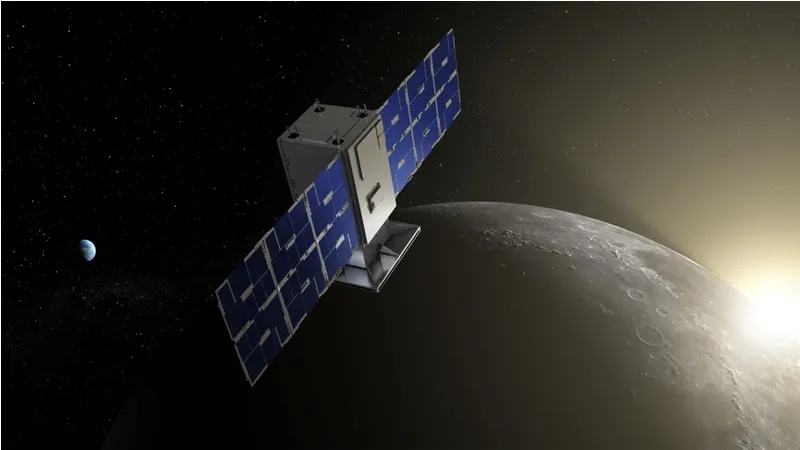
NASA Satellite Crashes: Van Allen Probe A’s Uncontrolled Reentry
Background on the Van Allen Probe A
The Van Allen Probe A was launched in 2012 with expectations to operate in space for two years. However, it exceeded its intended lifespan, measuring radiation for a total of seven years before running out of fuel in 2019. This extended mission provided valuable data about the Earth’s radiation belts, but it also set the stage for its eventual reentry.
The Decisive Moment
On March 12, 2026, at 6:37 a.m. ET, NASA’s Van Allen Probe A reentered the atmosphere. The coordinates for the reentry point were approximately 2 degrees south latitude and 255.3 degrees east longitude, landing in the eastern Pacific Ocean. NASA had predicted a 1 in 4,200 chance of any wreckage landing in a location that could cause human harm. However, the agency acknowledged that it did not account for the current solar maximum, which led to the probe descending faster than initially predicted.
Immediate Effects
NASA confirmed that the Van Allen Probe A made an uncontrolled reentry, with most of the spacecraft likely burning up upon reentry. Any surviving debris was expected to fall into the ocean, minimizing the risk to human life. This incident has raised concerns regarding the management of space debris and the potential implications for future satellite operations.
Expert Perspectives
Experts have noted that the incident highlights the increasing risks associated with space debris. The satellite, which weighed 1,300 pounds, serves as a data point for underwriting and regulation in the aerospace industry. As one expert remarked, “Expect modest premium pressure, tighter exclusions, and higher proof standards” in satellite insurance as a result of this event. Higher solar activity, which increases drag on satellites, has been identified as a contributing factor to the faster orbital decay experienced by the Van Allen Probe A.
Future Considerations
The Van Allen Probe B is also scheduled to crash back to Earth, expected to arrive in 2030 or later. This upcoming event raises further questions about the management of satellites in orbit and the need for better disposal plans and compliance in satellite operations. The incident underscores the importance of addressing the growing issue of space debris and its potential impact on both current and future missions.
The uncontrolled reentry of NASA’s Van Allen Probe A serves as a reminder of the challenges faced in space exploration and the management of satellite operations. As the aerospace industry continues to evolve, the lessons learned from this incident will be crucial in shaping future protocols and ensuring the safety of both satellites and the environments they inhabit.