Modi Live: India Responds to the West Asia Conflict
How it unfolded
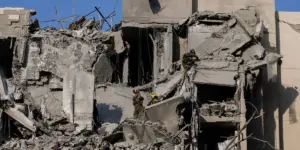
The ongoing crisis in West Asia has been a source of significant concern for India, particularly as it has persisted for over three weeks. The conflict has not only raised humanitarian issues but has also put economic and national security pressures on the nation. With nearly one crore Indians living and working in Gulf countries, the stakes are high for families and communities back home.
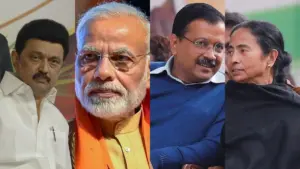
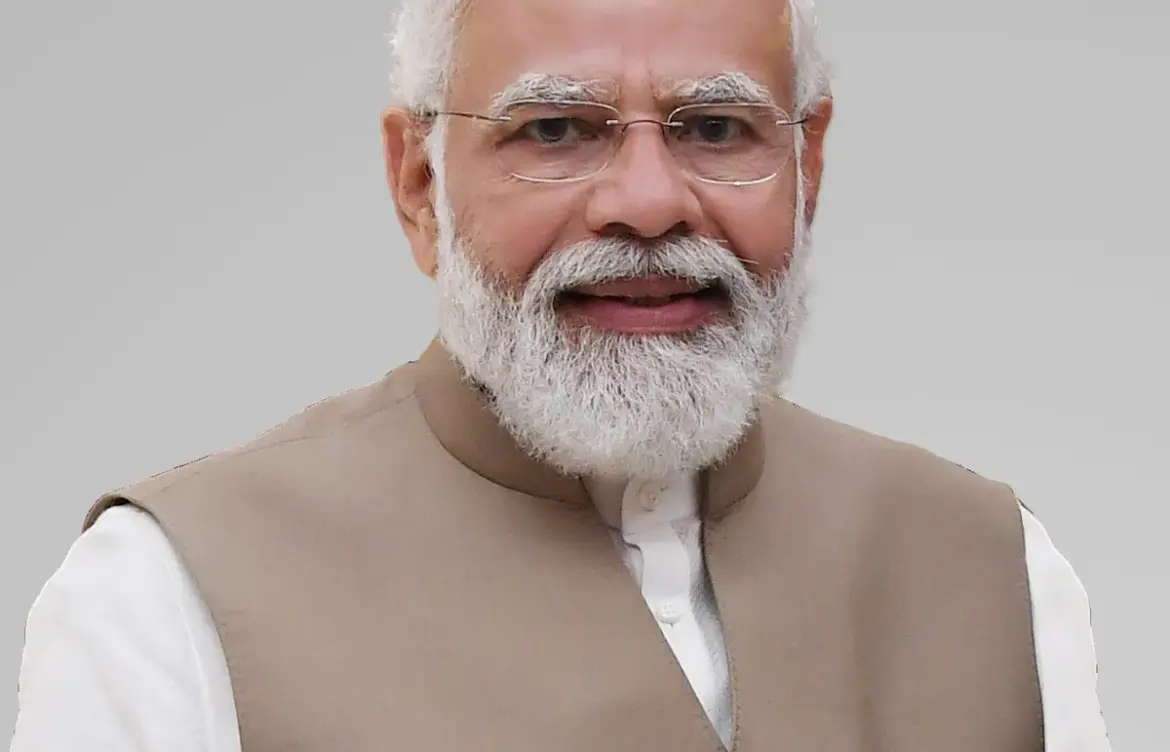
As the situation escalated, Prime Minister Modi took proactive steps to address the challenges faced by Indian citizens abroad. On multiple occasions, he engaged with leaders from Gulf countries, Iran, Israel, and the United States, emphasizing the need for a united international response. “The whole world is urging all parties for the earliest possible resolution of this crisis,” Modi stated, highlighting the global call for peace.
In response to the conflict, the Indian government has established 24/7 control rooms and emergency helplines to assist Indians in affected regions. This initiative has proven essential, as more than 3,75,000 Indians have safely returned to India since the war began. The government’s commitment to ensuring the safety of its citizens is evident in these measures.
Furthermore, the crisis has prompted the cancellation of scheduled Class 10th and 12th examinations in Indian schools located in Gulf countries, showcasing the direct impact of the conflict on education and the lives of students. Modi remarked, “India’s concerns are naturally greater, and therefore it is essential that a united and unanimous voice goes out to the world from India’s Parliament on this crisis.” This statement underscores the importance of solidarity in addressing the challenges posed by the conflict.
On the energy front, India has been actively monitoring global developments to protect consumer and industry interests. With a Strategic Petroleum Reserve of over 53 lakh metric tonnes, the country is better positioned to handle potential disruptions in energy supply. Modi noted, “Continuous efforts are also underway to determine how we can overcome the disruptions that have occurred in the supply chain,” reflecting the government’s proactive approach to safeguarding the economy.
Over the past 11 years, India has expanded its energy import sources from 27 countries to 41 countries, a strategic move that enhances its energy security amid global uncertainties. Additionally, India has made remarkable strides in renewable energy, with solar power capacity surging from approximately 3 gigawatts to 140 gigawatts during this period. This transition not only supports sustainability but also reduces dependence on volatile regions.
As the conflict continues, the implications for India remain profound. The government is committed to ensuring the safety of its citizens while navigating the complexities of international relations. The ongoing situation serves as a reminder of the interconnectedness of global events and the importance of a coordinated response.
In summary, the West Asia conflict has brought to light the vulnerabilities and resilience of the Indian community both at home and abroad. As Prime Minister Modi continues to engage with global leaders, the hope for a peaceful resolution remains strong, and the efforts to protect Indian citizens will remain a priority for the government.