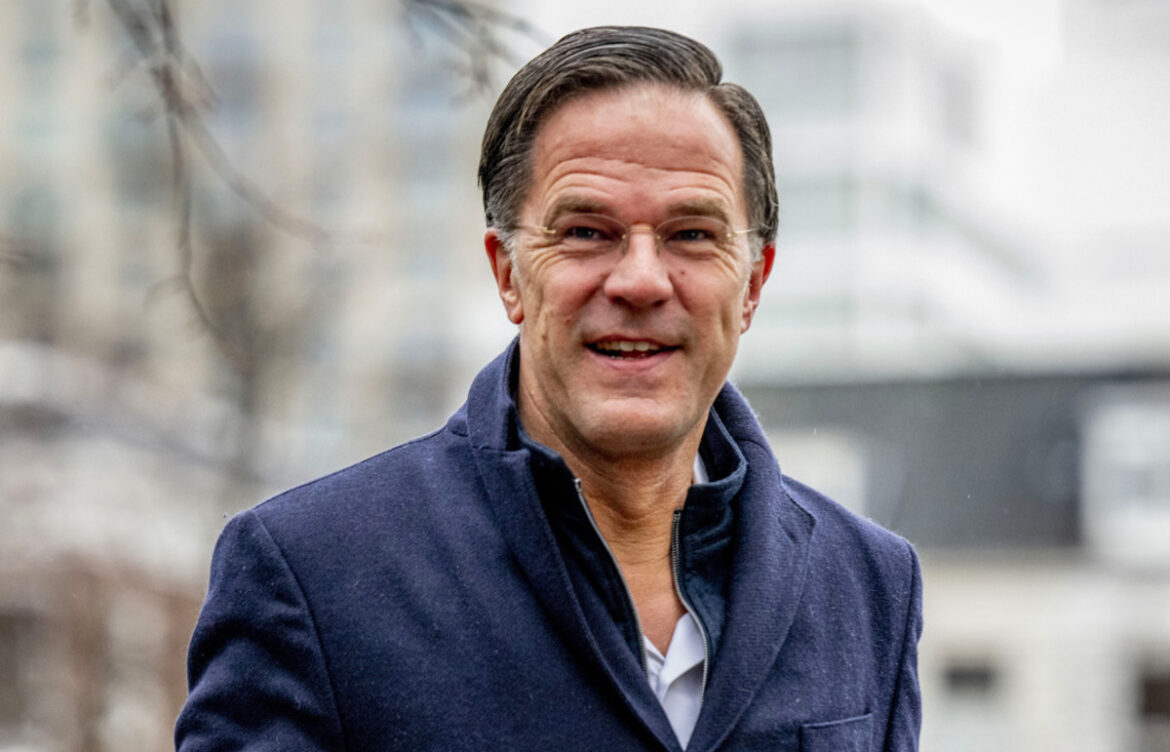
Mark Rutte: A Look at His Leadership and Political Influence
Introduction
Mark Rutte, the Prime Minister of the Netherlands, has been a significant figure in Dutch politics since he took office in 2010. With his government facing various challenges, including a global pandemic and economic fluctuations, Rutte’s leadership style and decisions have been under close scrutiny. Understanding Rutte’s approach provides valuable insights into the political landscape of the Netherlands and its implications for Europe.
Political Journey
Born on February 14, 1967, in The Hague, Mark Rutte began his political career with the People’s Party for Freedom and Democracy (VVD). He held various positions in government before becoming Prime Minister. His administration is noted for advocating fiscal responsibility, economic reform, and a pro-European Union stance. Rutte’s climb to leadership reveals a blend of pragmatism and resilience, appealing to a broad base of voters.
Recent Developments
In recent weeks, Rutte has faced mounting pressure over the Dutch government’s handling of climate change policies, economic recovery, and the rising cost of living. The government’s attempts to implement environmental measures have sparked protests from various groups, disagreeing with perceived economic burdens. Additionally, the Dutch economy is recovering from the impact of COVID-19, with Rutte’s administration aiming to support small businesses and strengthen public health systems. Recent elections indicate that Rutte’s VVD party remains a dominant force, despite challenges from right-wing and green parties.
Challenges Ahead
As Rutte prepares for new legislative sessions, key issues will include negotiations around immigration policies, energy transition, and public safety. With a coalition government that requires balancing diverse interests, Rutte’s leadership style, characterized by his consensus-building approach, will be critical in navigating these complex issues. Political analysts suggest that if Rutte successfully addresses these challenges, he could solidify his position and potentially remain in power for an extended period.
Conclusion
Mark Rutte’s ongoing leadership plays a crucial role in shaping the Netherlands’ response to modern challenges. As Europe grapples with global issues such as climate change, economic instability, and health crises, Rutte’s strategies will not only impact the Dutch populace but also resonate throughout the continent. Future developments in his administration will be essential to watch, as they could influence the socio-economic framework in Europe for years to come.