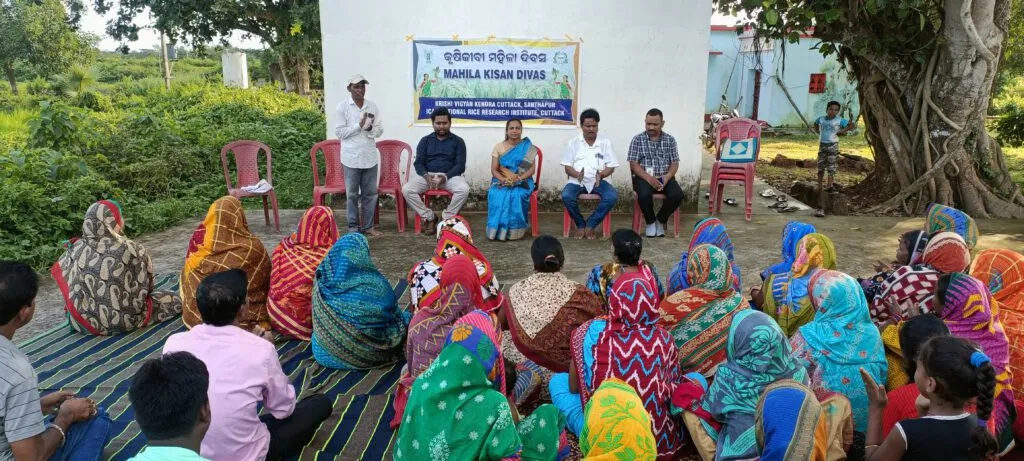
Mahila divas: Celebrating : The Progress and Challenges of Women’s Representation in India
What does Mahila Divas signify for women’s representation in India?
As we celebrate Mahila Divas, or International Women’s Day, a pressing question arises: how far have we come in terms of women’s representation in Indian politics? Currently, women hold only 14% of the seats in the Lok Sabha, a stark contrast to the 27% global average of women MPs. This disparity underscores the ongoing struggle for gender equality in political representation.
Historical Context and Current Landscape
The journey towards women’s representation in India has been gradual. Until the late 1990s, women’s representation in the Lok Sabha ranged between 4% and 8%. This historical context highlights the significant strides made over the past few decades, particularly with the introduction of the Constitution (One Hundred and Sixth Amendment) Act, 2023, which reserves one-third of all seats for women in the Lok Sabha and State Legislative Assemblies.
As of 2026, India boasts approximately 14.5 lakh Elected Women Representatives (EWRs) in Panchayati Raj Institutions (PRIs), showcasing grassroots involvement in governance. However, the representation at the national level remains low, with only 22.9% of Cabinet members being women as of January 2025. This highlights a critical gap between local and national representation.
Political Parties and Their Role
Political parties play a crucial role in shaping women’s representation. The All India Trinamool Congress (TMC) stands out with over 37% of its members in the Lok Sabha being women, setting a benchmark for others. In contrast, the BJP, Congress, DMK, and SP have yet to achieve similar levels of representation. Derek O’Brien, a prominent figure in the TMC, has raised questions about the number of women MPs across the major political parties, emphasizing the need for accountability and action.
Reflections from History
Indira Gandhi, who served as Prime Minister from 1966 to 1977 and again from 1980 until her assassination in 1984, remains a significant figure in discussions about women in leadership. Often referred to as ‘the only man in the Indian government,’ she faced gendered expectations that continue to resonate today. Her assertion, “I consider it an insult… Why should I be considered a man when I am not?” reflects the ongoing challenge of redefining leadership beyond traditional male standards.
Future Prospects and Legislative Changes
The women’s reservation Bill is anticipated to come into effect after the 2029 general elections, which could further enhance women’s representation in Indian politics. However, details remain unconfirmed regarding the implementation and impact of this legislation. The question remains: will this legislative change translate into real empowerment for women in political spheres?
Global Comparisons and Continuing Challenges
Globally, only six countries have achieved 50% or more women in parliament in single or lower houses, indicating that India’s challenges are not unique. As we reflect on Mahila Divas, it is essential to recognize both the progress made and the hurdles that remain. The representation of women in politics is not merely a statistic; it is a reflection of societal values and the ongoing fight for equality.
As we commemorate Mahila Divas, it is crucial to acknowledge the strides made in women’s representation while also recognizing the work that lies ahead. The journey towards equality in politics is ongoing, and the voices of women must continue to be amplified in every sphere of governance.